Reading List
The most recent articles from a list of feeds I subscribe to.
More From The Verge: ‘What a Sony and TCL Partnership Means for the Future of TVs’
John Higgins, The Verge (gift link):
As of today, Sony already relies on different manufacturing partners to create its TV lineup. While display panel manufacturers never reveal who they sell panels to, Sony is likely already using panels for its LCD TVs from TCL China Star Optoelectronics Technology (CSOT), in addition to OLED panels from LG Display and Samsung Display. With this deal, a relationship between Sony and TCL CSOT LCD panels is guaranteed (although I doubt this would affect CSOT selling panels to other manufacturers). And with TCL CSOT building a new OLED facility, there’s a potential future in which Sony OLEDs will also get panels from TCL. Although I should point out that we’re not sure yet if the new facility will have the ability to make TV-sized OLED panels, at least to start.
The gist I take from this is that Sony is already dependent upon TCL. I think the mistake Sony made was ever ceding ownership and control over their display technology.
There’s some concern from fans that this could lead to a Sharp, Toshiba, or Pioneer situation where the names are licensed and the TVs produced are a shell of what the brands used to represent. I don’t see this happening with Sony. While the electronics side of the business hasn’t been as strong as in the past, Sony — and Bravia — is still a storied brand. It would take a lot for Sony to completely step aside and allow another company to slap its name on an inferior product. And based on TCL’s growth and technological improvements over the past few years, and the shrinking gap between premium and midrange TVs, I don’t expect Sony TVs will suffer from a partnership with TCL.
I’m heartened by Higgins’s optimism. (And I’ve heard good things already from DF readers who own TCL TVs.)
Sony’s TV Business Is Being Taken Over by TCL
Jess Weatherbed, at The Verge:
Sony has announced plans to spin off its TV hardware business, shifting it to a new joint venture with TCL. The two companies have signed a non-binding agreement for Sony’s home entertainment business, with TCL set to hold a 51 percent stake in the new venture and Sony holding 49 percent. [...]
The new company is expected to retain “Sony” and “Bravia” branding for its future products and will handle global operations from product development and design to manufacturing, sales, and logistics for TVs and home audio equipment.
I’ve only ever purchased three main TVs in my life. The first was a 32-inch Sony Trinitron CRT, like this one. Might have even been exactly that model — that sure looks like it. I bought it in 1999 at a Best Buy. One of the last curved Trinitrons ever made. For CRTs I always kind of liked a slight curve — flat CRTs never looked quite right to me. It weighed like 150 pounds and came in a very big box. My now-wife and I had just moved into a fourth-floor walk-up. I remember bringing it home. I’d always wanted a Sony TV, and this one confirmed my lifelong desire to own one. It was great. I introduced my son to video games on that TV.
We replaced it in 2008 with a 50-inch plasma from Pioneer that cost about $2,100. It was only 720p but I’d worked out the math for our then-living room viewing distance, and the math said 1080p wouldn’t make a noticeable difference for a 50-inch screen from our sofa distance. That Pioneer is one of the most beloved purchases I’ve ever made in my life. Just remarkable color. We still have that thing in our guest room. Sony wasn’t even in the running for that purchase. They sold Sony-branded plasma TV for a while but never made their own panels, and as I recall, no one with taste recommended them. What made Sony TVs Sony TVs back in the day was that they made their own CRTs, and they were the best. (All of my favorite CRT computer monitors had Trinitron tubes, as I recall.)
In 2020 we bought our current TV, a 77-inch 4K OLED from LG that cost about $5,000 at the time. I’ll go to my grave believing that plasma looks better than OLED when watching movies in a dark room, but overall, LG’s super-bright OLED looks fantastic. And it’s big as hell, which I love. Sony was at least in the running when I shopped for this, but they didn’t have anything that compared to this LG’s size and quality. It wasn’t a hard decision to rule Sony out. (This history also means I’m likely to go to my grave never having owned a 1080p TV, nor an LCD TV.)
So, I’m sad to see Sony selling control of their TV business to TCL. But I think the writing has been on the wall for decades. Sony TVs haven’t been the Sony TVs of yore for a very long time.
Update: John Siracusa tells me I need to run a retraction — he even used an exclamation mark — on the grounds that Sony Bravia models have won “best TV in the world” awards several years running, including 2025 for the Bravia 8 II. I’m happy to retract, and glad Sony has regained its place at or near the top of the industry in recent years. I hope they stay there.
Basic Apple Guy: Creator Studio Icon History
Is there anyone who doesn’t find this sad?
Menu Bar, Title Bar, What’s the Difference?
From Apple’s iPhone Mirroring documentation, boldface emphasis added:
Click to tap: Click your mouse or trackpad to tap. You can also swipe and scroll in the iPhone Mirroring app, and use your keyboard to type.
Open the App Switcher: Move your pointer to the top of the iPhone Mirroring screen until the menu bar appears, then click
to open the App Switcher.
Go to the Home Screen: If you’re in an app and want to return to the Home Screen, move your pointer to the top of the iPhone Mirroring screen until the menu bar appears, then click
.
It certainly sounds like these instructions are for users who, sadly, have the menu bar hidden by default. But there are no or buttons in the menu bar. These buttons are in the iPhone Mirroring window title bar, which is, for all users, hidden by default:
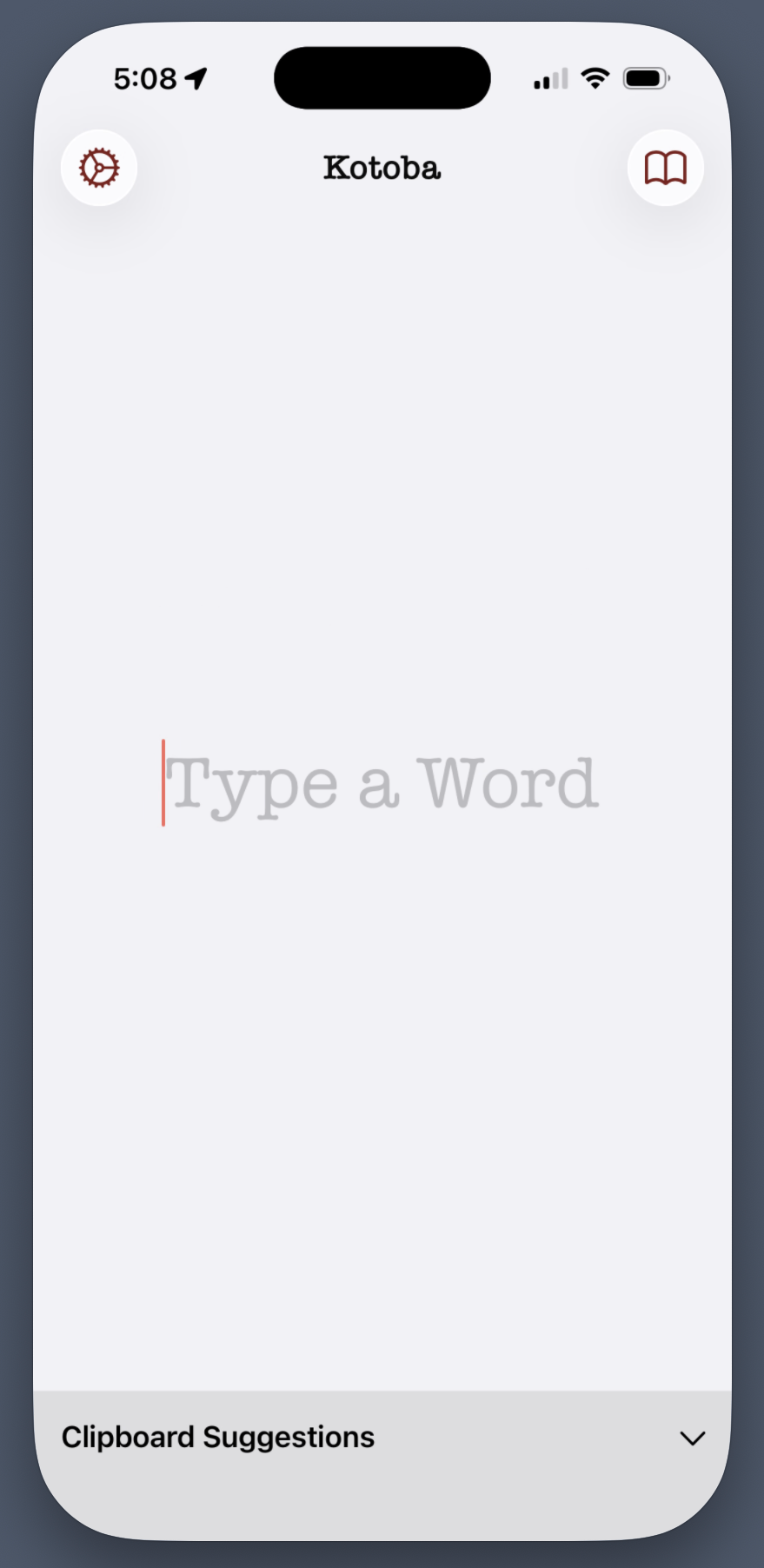
but which presents a proper window title bar when the mouse pointer is hovering in the area where the title bar will appear:
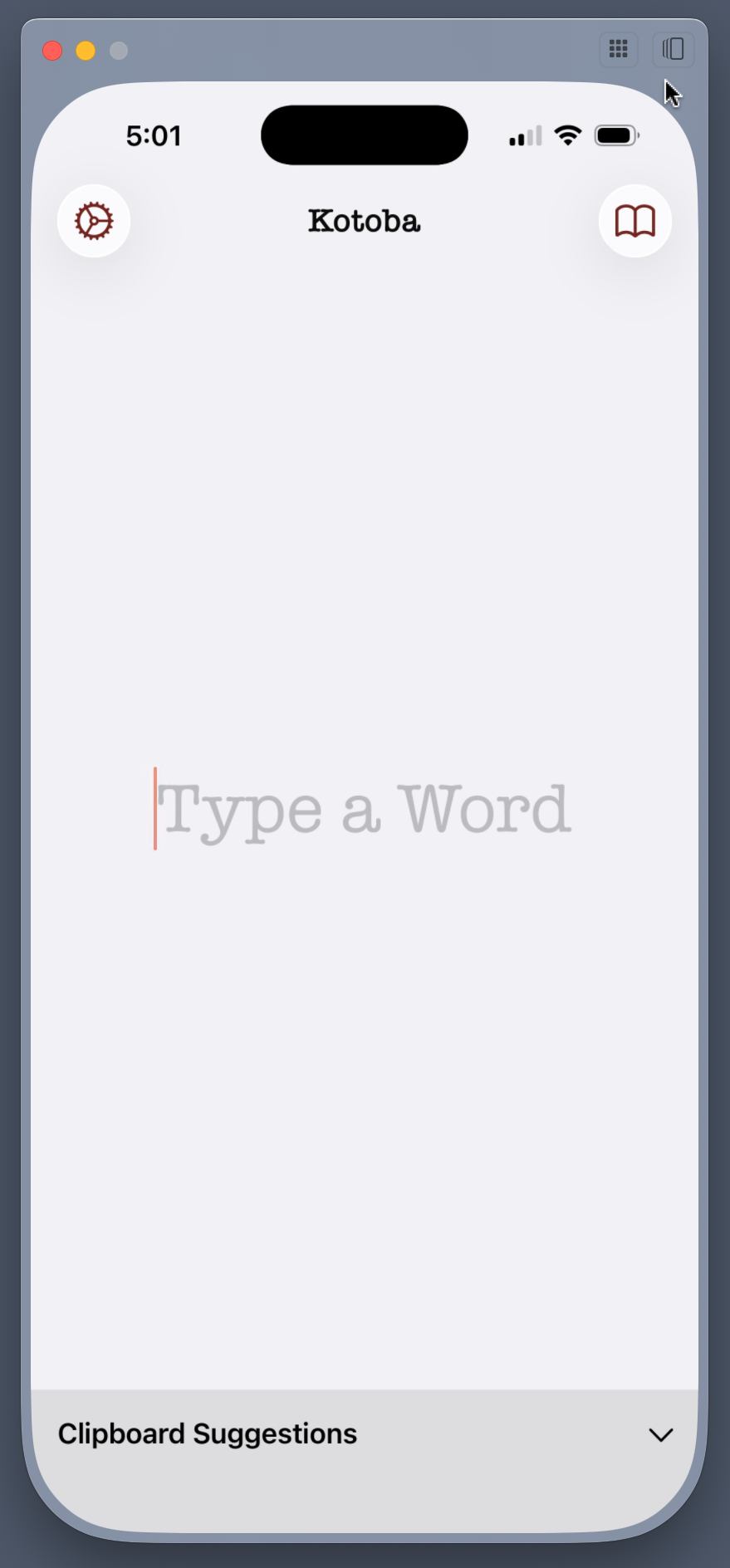
Since I’m feeling generous, I’ll chalk this up to an absentminded mistake on the part of Apple’s documentation team. If I were feeling cynical, I would instead suspect that Apple has so lost the plot on the Mac that they now employ documentation writers and editors who do not understand the difference between the menu bar and window title bars. (It doesn’t help that the iPhone Mirroring window title bar, like so many windows in Apple’s recent Mac apps, doesn’t have a title.)
For what it’s worth, this documentation is the same for both MacOS 15 Sequoia and 26 Tahoe.
Matthew Butterick on the Copyrightability of Fonts
Matthew Butterick:
But more importantly, in practical terms — what would be the point? Since 2011, I’ve run a small font business. Not long after I release a font, it will be uploaded to some public pirate-software website. I can’t control that. Like every other kind of digital-media file, anyone who wants to pirate my fonts can do so if sufficiently motivated.
For that reason — and independent of copyright law — my business necessarily runs on something more akin to the honor system. I try to make nice fonts, price my licenses fairly, and thereby make internet strangers enthusiastic about sending me money rather than going to pirate websites. Enough of them do. My business continues. (Indeed, in terms of rational economic choice, I’ve argued that software piracy doesn’t exist.)