Reading List
The most recent articles from a list of feeds I subscribe to.
Game Boy-Shaped Pokémon Soundtrack Player Announced
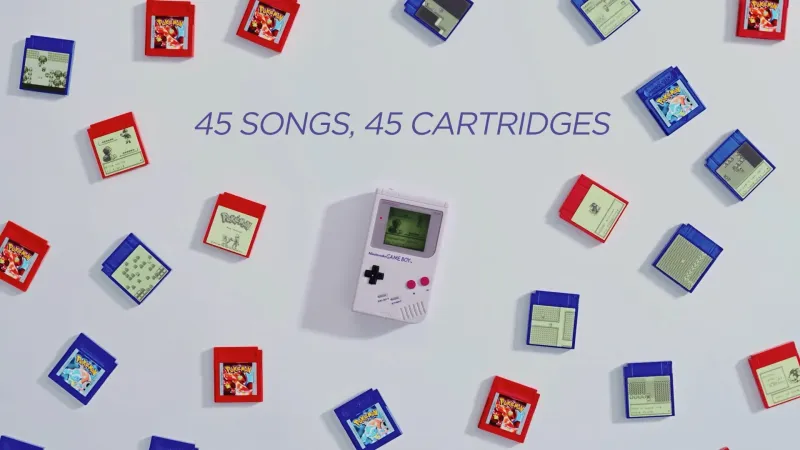
To kick off today's Pokémon Presents livestream, The Pokémon Company announced a Game Boy-shaped device with swappable cartridges that plays the soundtracks for Pokémon Red and Blue. Each cartridge contains a different song from the soundtrack, as well as an image that slots into the Game Boy replica's display screen to coincide with the audio action.
The device contains 45 cartridges to match with the 45 songs included with the purchase. "We took particular care to make the audio sound just like Game Boy, so I hope you enjoy listening while swapping out cartridges," Pokémon Red and Blue composer Junichi Masuda said on the stream.
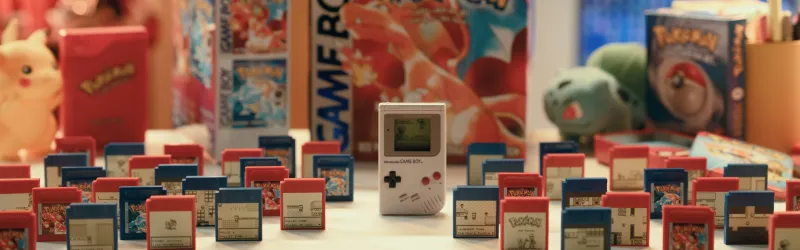
The Pokémon Red and Blue Game Boy Jukebox is available starting today through Pokémon Center.
Interview: World of Warcraft Lead Composer On Making Of Midnight’s Human-Made Music
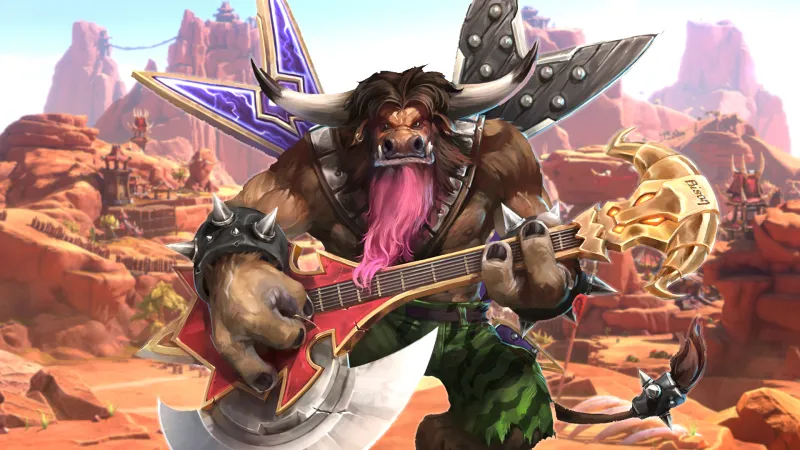
World of Warcraft: Midnight launches next week, but early access begins later this evening. Ahead of the MMORPG’s anticipated expansion, we sat down with World of Warcraft’s lead composer, Leo Kaliski, to learn about the making of Midnight’s music and how the team is flexing its creative muscle with new instrumentation. Finally, Kaliski counts himself lucky to make human music in a world obsessed with generative AI.
In your journey from composer’s assistant to lead composer, I'm curious how you’ve come to understand the musical identity of World of Warcraft. What does it sound like to you?
Some of my understanding comes from being a fan of the game; I've played World of Warcraft since vanilla. It's a pretty broad and diverse musical identity. I worked on Diablo for a few years [...], and it has a much narrower musical identity. It's very dark [with] the 12-string guitar, the synths, and the reverse [effects]. There's a very clear musical language for Diablo. Warcraft is very broad. The list of things that aren't WoW is almost shorter than what is WoW. We don't use sawtooth dance synths. Stuff like that isn’t really WoW. But a couple of years ago, the answer would probably have been, “We don't really use guitar.” But then we did a Goblin Jazz patch that had a bunch of guitar on it, and coming up in Midnight, there's a bunch of distorted guitar in some of the zones, which wasn’t a thing before now.
World of Warcraft’s sound is largely dictated by the game’s art. What is the game asking us to do? It's about being in the background. We are there to support the gameplay and the story [...] without overstepping the boundaries, without making it about us — unless it's like a big cinematic moment. It's about being in the background, but trying to find cool ways to do it.
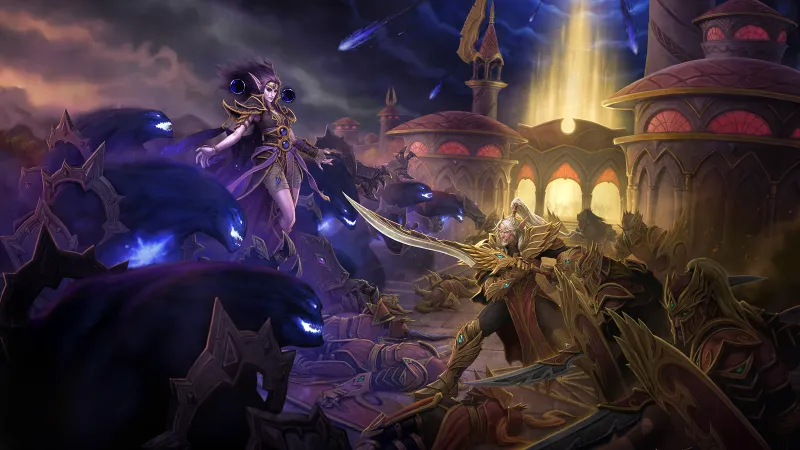
Light and dark are major themes in Midnight. How did you channel that overarching theme, and what was its role as you composed music for the expansion’s new zones?
The Light-versus-Void [theme] was a top priority when we first started working on the expansion. Those were some of the very early themes we worked on. The Light has a very specific theme, whereas the Void came more about from [looking at] Xal’atath’s army, The Devouring Host. We wrote those themes separately and then combined them into a battle track that has the two weaving into each other. Something great about World of Warcraft is even when there is an overarching story of Xal’atath’s attack, [...] you go into a zone, and there’s still a local story going on. [Characters] have their own local problems they're dealing with, and you're helping them because everyone being on the same footing helps you win this bigger fight versus the Void.
Were there any challenges in incorporating new instrumentation styles, like the aforementioned distorted guitars, into what is traditionally a very orchestral sound identity?
You're right. World of Warcraft is traditionally orchestral. The reason the distorted guitar felt right here is that we're using it for the new zone, Voidstorm. It's in the void, and it has all these very angry, aggressive beasts. [The zone] has this theme of predation: the strong eating the weak to get stronger. And I remember being on a zone tour with Voidstorm’s lead, and they said they were trying to make the zone feel as metal as possible. And I was like, “That sure sounds like distorted guitars to me.”
So it started as an experiment [...] and the challenge became, “How do you get it to blend into the background? How do you make it less distracting for players?” We’ve made sure it has a good amount of reverb and that we’re not using it too often.
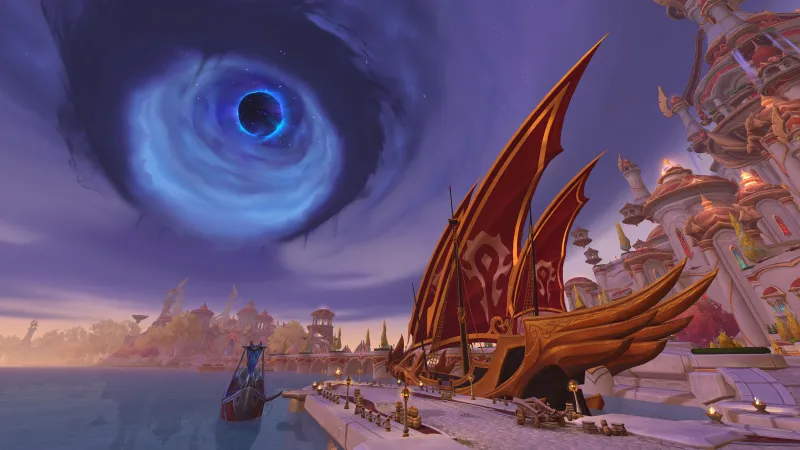
We’re going back to the home of the Blood Elves, first created two decades ago, in Midnight. Is that legacy reflected in your new work?
The first priority was preserving those original themes as much as possible. There's a lot of love for the original Blood Elf music, and we didn't want to erase that with completely new music. So There are a few pieces of music in Midnight that directly quote the original material with a new coat of paint. It’s higher fidelity because we can record higher-quality stuff now than we did back then. But then there's music that's more of an evolution, where we use the same instrumentation — Blood Elves are all about the solo cello and the harp — but we’re not directly quoting original themes. It still feels related and in the same pocket. There are pieces where it's solo violin instead of solo cello, so it still feels similar, but it's a little brighter and less melancholy. And that’s because the zone has changed. It's not the same zone as it was back then, and they’re not the same culture. They’ve progressed as people.
The scar down the middle [of the zone] is gone. The Ghostlands are gone. [Quel’Thalas] is much greener and more vibrant. It made sense to honor the original themes while also making them brighter and bigger.
Which instruments did you reach for when composing music for Harandar? The new zone seems untamed and steeped in mystery.
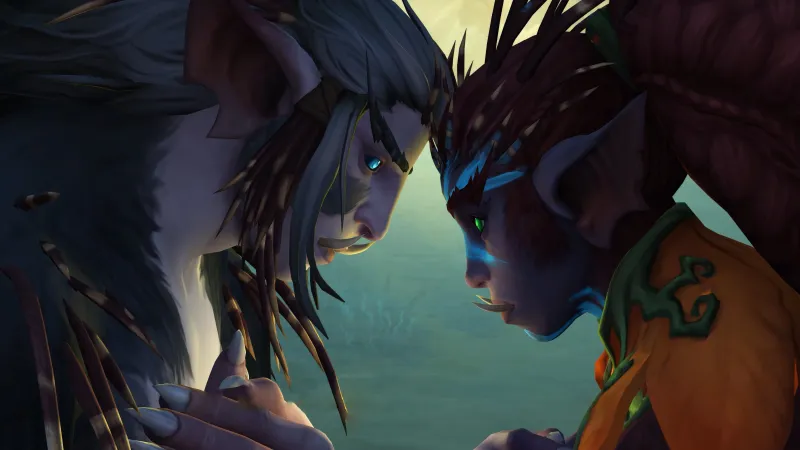
That one had quite a bit of exploration to start with. [The Haranir] are an all-new culture, an all-new race. But they’re also not totally alien and foreign to WoW. They feel similar to [elves and trolls], in a way. So it wouldn't have made sense to do something that was a complete departure from that. Early on, there was a lot of discussion with Chris Metzen and other story people [to learn] what the Haranir are about. [...] They're very defensive and can be aggressive and primal. They don't like outsiders. But once you earn their trust, they're very kind people. We tried to find a way to incorporate those elements. Looking at the art, there are big mushrooms and bioluminescent areas.
I did a first pass at exploring the music, and it was coming along. Some of it felt right: the bowed textures, the percussion, and pluck sounds. It still wasn't quite right, so I handed it off to one of our composers, Adam Burgess, who has always been good at non-orchestral music. He keyed in on this vocal [style], which is super cool, and it’s not one we’ve really used a lot in World of Warcraft. It features chants and pockets [of] vocal interjections. Less of a singing a melody. It feels more primal, [...] almost like using a voice as an instrument rather than someone performing.
And it was exactly what the zone needed to make it feel alive and to make the [Haranir] culture feel well represented. You can almost imagine the voices [in the track] are them. [...] That's one of the secret sauces of World of Warcraft: we're not a one-person team. As the lead, I'm not dictating what something should sound like. It's about giving the right assignment to the right person and letting them express themselves. Nine composers contributed to this expansion, each with their own voice. That kind of melting pot is what makes the soundtrack so special.
Tech companies are hellbent on disrupting every industry with the rise of generative AI. How has this moment in time affected your experience as a seasoned composer working in video games?
I feel lucky that AI in music still feels quite a way off. Sometimes you look at AI photos, and if you don't look closely, you might not know it's AI. Music is not there yet. Usually, you hear it, and you instantly know something is not right about it, or the fidelity isn’t there. So in some ways, it's not as top of mind as it probably is for other artists. I think we here at Blizzard feel very lucky and happy that we're not using generative AI. We're just writing what we think is cool, and are happy to do that. That's my stance.
Highguard: New Report Details The Months Leading Up To Launch And The Fallout After
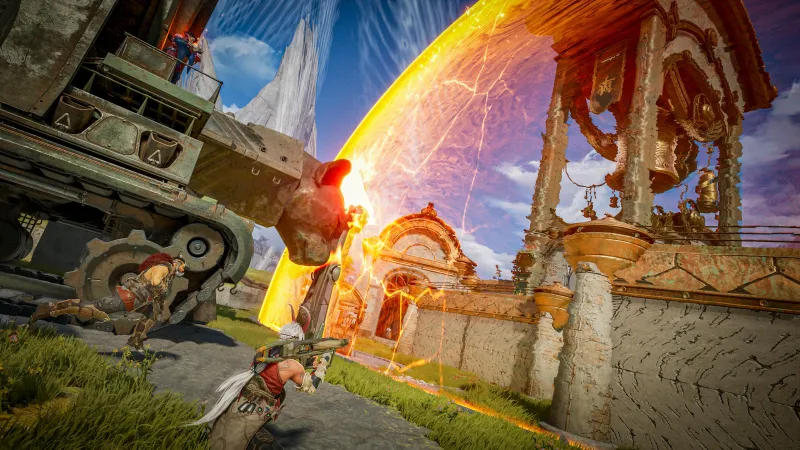
After a ceremonious reveal at the conclusion of The Game Awards 2026, newcomer developer Wildlight Entertainment launched its first-person raid shooter Highguard on PlayStation 5, Xbox Series X/S, and PC. Despite eclipsing 100,000 concurrent Steam players around the game's launch, that number quickly dropped (though Steam concurrents are only a fraction of the total players), with Steam's reviews status for the game sitting at "mixed" today.
As a result, Wildlight laid off most of its 100-person staff, roughly two weeks after the game's launch, and according to a new report from Bloomberg, less than 20 developers remain at the studio – it's those remaining employees that have pushed out two somewhat hefty patches for Highguard since the layoffs on February 11. That same Bloomberg report also details the game's development, the weeks after its reveal at The Game Awards in December, and the subsequent Highguard fallout since launch last month.
Bloomberg reports that in 2021, a small group of people who worked at developer Respawn Entertainment, owned by EA, quit and started a new studio. After helping Respawn launch Apex Legends in 2019, some at the studio watched the battle royale bring in more than $3 billion in revenue over the next couple of years. However, some of the creatives felt slighted by how little of that $3 billion made its way to the developers behind it. Thus, the idea of starting a new studio, creating a successful surprise-launch live-service shooter, and sharing the profits among employees was born.
With Wildlight co-founder and CEO Dusty Welch touting the studio's profit-sharing program, he was able to attract others to join the team and work on what was first a survival game like Rust before it was transformed into the raid shooter that Highguard launched last month, according to the report. Bloomberg writes that after the transition to a raid shooter, which retained some of the elements of the original Rust-esque prototype, testing began with staff, external players, and Tencent's TiMi Studio Group; it was only recently revealed that China-based company Tencent helped fund Highguard by Stephen Totilo's Game File on February 17.
Reception amongst those tests was positive, according to the 10 Highguard developers Bloomberg spoke to for its report, but some employees were apparently concerned that these tests weren't accurate enough to a real play environment. Developers helped playtesters understand mechanics, in-game communication was encouraged, and more, but these gameplay aspects aren't guaranteed when a game reaches players' hands after launch. To get ahead of that, some employees suggested letting people play Highguard before launch, perhaps in a beta or open playtest, but leadership at Wildlight turned down that suggestion, Bloomberg reports.
The leadership at Wildlight wanted to announce the game and launch it a few weeks later, without letting the public play it beforehand, as those developers had seen work successfully with Respawn's Apex Legends. As a result, Highguard was revealed, the reception soured quickly, and the game became a bit of a meme online before it even launched, with some comparing it to Concord, PlayStation's own live-service shooter that shut down two weeks after launch.
Bloomberg reports that the employees it spoke to said Wildlight was a "healthy, collaborative, transparent" environment they loved working in... until the final two months, when morale tanked following the game's subsequent reception after The Game Awards reveal. Then, the game launched on January 26 and did little to impress both critics and players alike – Game Informer gave it a 7.5 in its review.
Despite a strong initial showing, playercounts dropped, and two weeks after launch, Wildlight laid off most of its staff. With Highguard being a free-to-play title, its avenue for revenue is highly dependent on retaining players and getting them to spend money on in-game cosmetics, mounts, and more. Today, Highguard is still live and receiving updates, though it remains unclear how long it can live with so little staff, comparatively, working on the game.
For more details, be sure to read the full Bloomberg report here.
Have you played Highguard? Let us know what you think of it in the comments below!
You Can Marry Clint And Sandy In The 1.7 Update For Stardew Valley, ConcernedApe Announces
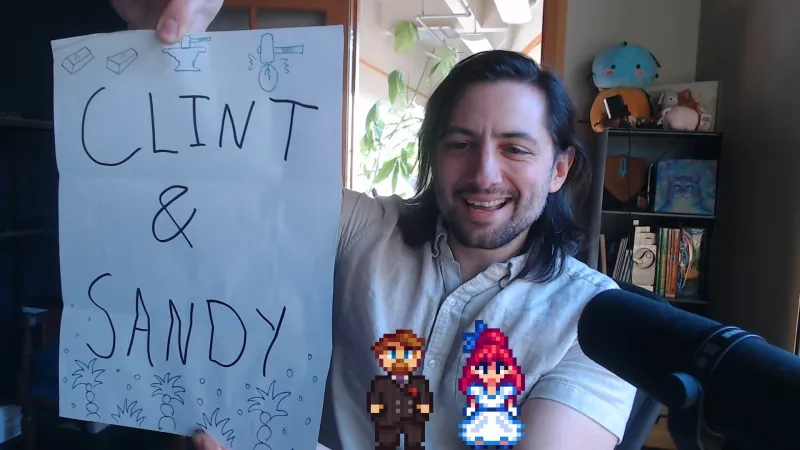
Stardew Valley turns 10 years old today, marking a huge milestone for one of the most beloved and successful indie games in of the modern era. Despite being far from a live service game, solo developer ConcernedApe (also known as Eric Barone) is still providing content updates to this day, and though they've slowed significantly in recent years, 1.7 is coming soon.
Today, Barone premiered a video on YouTube celebrating both the anniversary and upcoming update, taking a trip down memory lane to show off old builds of the farming sim while also providing a sneak peek at 1.7 – specifically, Stardew Valley's first new marriage candidates in years. At the very end of the video, he revealed that players will be able to romance Clint, the blacksmith, and Sandy, a shopkeeper in the desert.
Clint is a surprising choice, for a few reasons. For starters, Clint is commonly made fun of by members in the community who dislike his personality. In a cast of beloved characters, he stands out as one of the most commonly disdained. That said, maybe this is Barone's attempt to turn the character's popularity around, since romance quests give characters a lot more depth.
Still, there are other characters players have requested to romance for years. The most notable are Robin (she's married when the player arrives to the village, but that fact doesn't do much to quell romantic fans) and the Wizard. Unless they're coming in some massive 1.8 update, fans will have to stick to fanfic and mods.
The rest of the video is worth watching as well, since we don't usually get such a detailed behind-the-scenes look at indie games like this, and it's cool to watch the project come together.
Stardew Valley's 1.7 update doesn't have release window yet, but will hopefully be out sometime soon. If you haven't played Stardew Valley in a while, you can check out its Switch 2 update, which includes split-screen co-op and mouse controls. As for ConcernedApe's next game, Haunted Chocolatier, we have no idea when to expect its release, but it's one of our most anticipated games right now.
Samson Hands-On Preview – Taking It Day-By-Day
Platform:
PC
Publisher:
Liquid Swords
Developer:
Liquid Swords
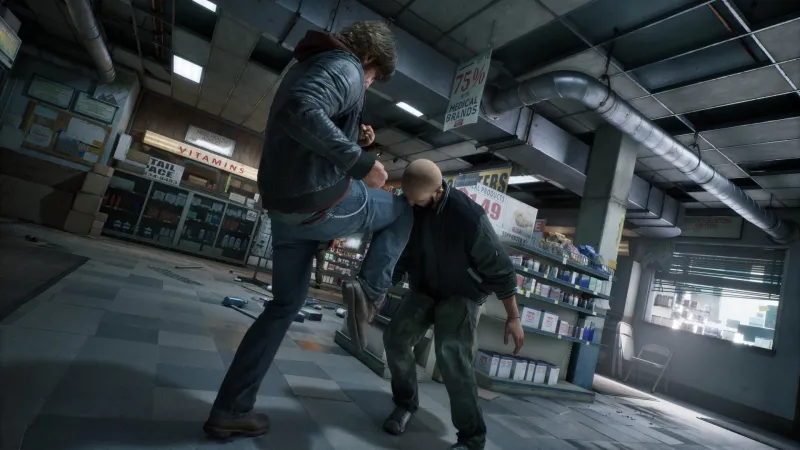
Have you ever walked through a run-down part of town and imagined the potential that exists? For Samson, who grew up in the roughest part of his hometown of Tyndalston called The Ditch, that is his day-to-day life. However, as someone who got his hands on Liquid Swords' Samson, it ended up being my experience for more than an hour as I fell completely into the enthralling gameplay loop, but was left to imagine how great the experience could be if it were a bit more polished.
As Samson, you return home to The Ditch with a mountain of debt to repay. To keep the debt collectors off his back, he hooks up with an old friend who happens to be a major player in the streets of Tyndalston, Carter, to take on some jobs around the city. These range from beating down the door of a local business and roughing up the owner who owes him money to chasing down some rival gang members who just robbed a gas station that Carter oversees. The gameplay is varied and kept me on my toes; one sequence had me brawling through a warehouse, while another had me engaging in vehicular combat, while another, still, tasked me with helping an ally escape the cops after robbing a pharmacy. It's safe to say you're not playing a hero in Samson, but each mission I played delivered excitement in spades.
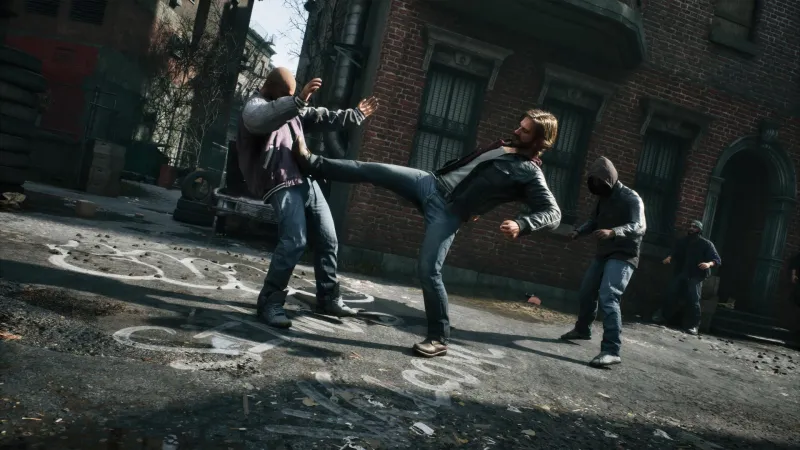
The gameplay typically felt great as I tested out the various mission types on offer. My favorite missions involved heavy hand-to-hand combat; Samson squares up against various enemies with light and heavy attacks at his disposal, as well as the ability to parry and smash enemies with environmental objects. Though this is very much a brawler, you can't just swing for the fences. Instead, I approached each encounter with caution and intentionality. Light punches, heavy punches, parries, and grabs often sufficed in my early-game encounters, but using the Adrenaline Rush meter, I could wail on rivals with slowed-down time and increased damage. I got myself out of more than a couple of sticky situations thanks to effective managing of Samson's Adrenaline meter.
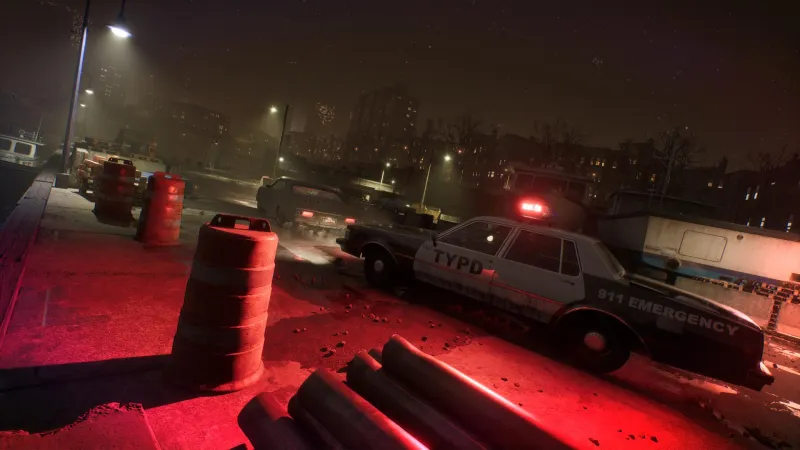
It's a brawler at heart, but it's far from the only style of gameplay players can expect. Several of the missions also involve Samson getting into the driver seat, whether to help an ally flee the scene of a crime or to take down rivals who just robbed your friends. Escaping from the police involves leaving their patrol circumference and laying low until they call off the search, while taking down enemies on the mean streets of Tyndalston requires you to ram them using some rudimentary vehicular combat mechanics. I was less sold on this part of the game, as Samson's vehicle is also highly susceptible to damage, and when I smashed my rivals into the rails or even oncoming traffic, the enemies often drove away after sustaining less damage than I expected, while Samson's car took on more than I thought he would. I assume this will be fine-tuned for the final release, but it led to some frustrating restarts.
Perhaps the most novel part of my hands-on session presented itself in the game's structure. Rather than having unlimited time in The Ditch, Samson must effectively watch his calendar. Each day is split into three portions: morning, evening, and night. Each of these three times of day has a set number of Action Points (AP), and each job requires AP to attempt; if you fail a job, you can retry it, but if you end up abandoning it, you lose those Action Points and your day moves on without profit or experience. Each day, you need to earn and pay a set amount of money towards your overall debt, or else debt collectors will wait for you by your car or apartment to try and beat the money out of you. Because of this structure, I needed to be judicious about which jobs I selected and when. Some jobs, like one where I stole a stash from a rival gang, can be completed any time, while others, like a story mission that takes place at a bar, can only happen at certain times of day. As someone who loves calendar-based RPGs like Persona and Metaphor, as well as action-crime games like GTA and Saints Row, this feels like a beautiful melding of the genres' conventions.
But it's also important to note that, despite my positive thoughts on the gameplay loop, this is not a triple-A game, despite the triple-A inspiration. Liquid Swords is a smaller team with a smaller budget, and while Samson will draw inevitable comparisons to Grand Theft Auto, it is not the multi-billion dollar franchise that Rockstar has under its belt. Samson is a much more focused experience by design, a way to navigate the seedy underbelly of an East Coast-inspired fictional city, set in the '90s, with intentionally designed areas that are meant to push you forward not only in the level, but the story as well. And though much of your spare time in Samson is spent doing side-missions to raise money to pay off the main character's debts, this is not some massive game full of padding and activities to take part in. Each GTA feels like an action-packed season of prestige television, while Samson – though I only played the first segment of the campaign – feels more like a movie with far less padding that you can sit down and enjoy in a much quicker fashion.
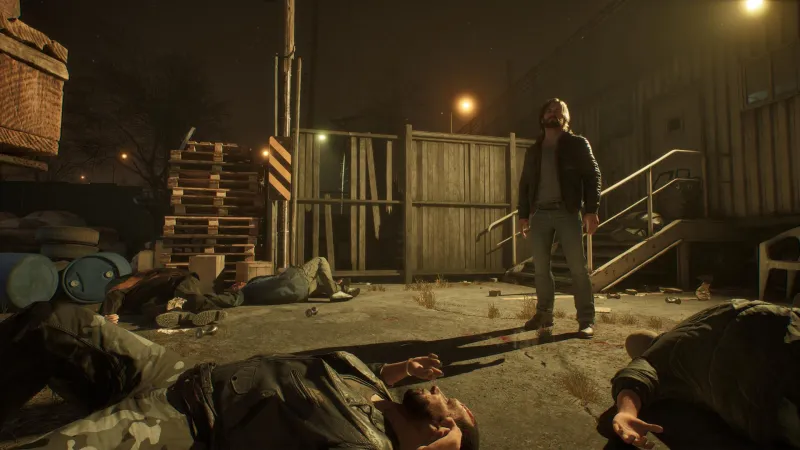
Sadly, much of my experience was hindered by glitches. While this is common in pre-release builds, when Liquid Swords told me that Samson is set to release in just over a month from this publication, it made me a bit more nervous. Games come together at the last minute all the time, but nearly every mission I played had a different type of noticeable bug, ranging from the annoying audio and visual bugs to glitches that required me to exit and re-launch the game. Hopefully, this is just a symptom of playing an outdated build, and that a more recent version of Samson is a lot more stable, but I can only preview what was put in front of me.
There is absolutely still time for developer Liquid Swords to shore up the core experience of Samson, but we're coming up on launch in just over a month, so we are coming down to the wire soon. But ignoring the lack of polish, my time with Samson was a ton of fun, with a compelling loop that I could see myself engaging with for hours. My greatest hope for Samson is that, when it launches on PC on April 8, we won't be talking about the game's potential, but rather that the hooks that grabbed me during my gameplay session do the same to the wider player base, uninhibited.