Reading List
The most recent articles from a list of feeds I subscribe to.
Arc Raiders Review - Consequential And Worthwhile Multiplayer

Reviewed on:
PC
Platform:
PlayStation 5, Xbox Series X/S, PC
Publisher:
Embark Studios
Developer:
Embark Studios
Release:
Rating:
Teen
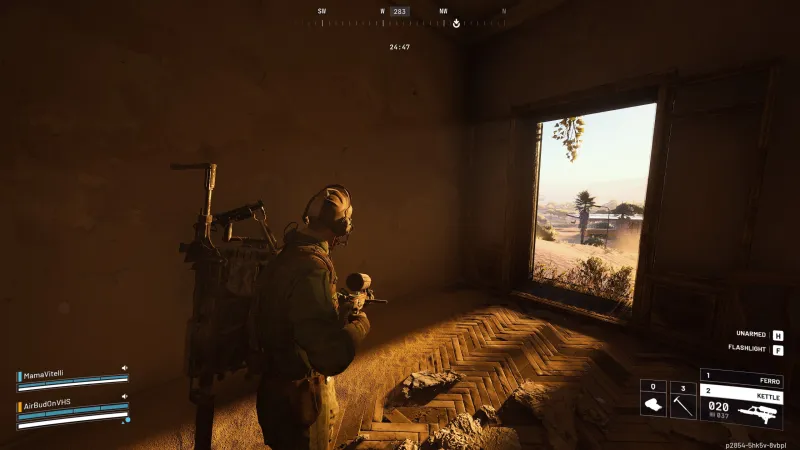
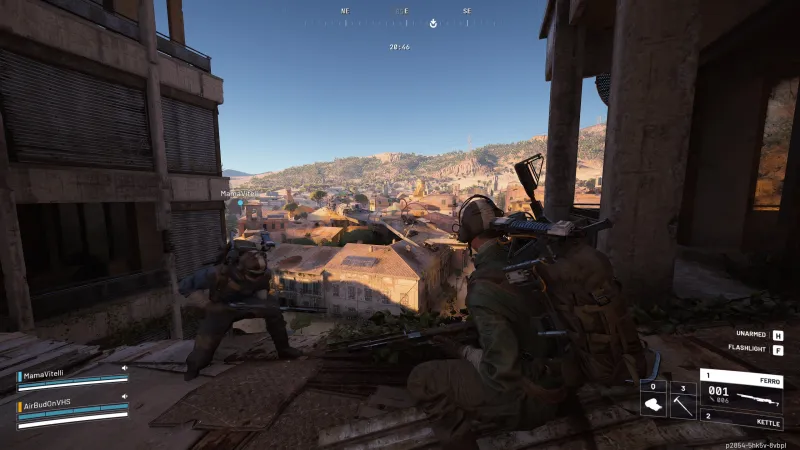
Arc Raiders is my favorite extraction shooter to date, surpassing its competition with incredible level design, a deep yet easy-to-navigate crafting system, stunning art direction, and an exciting suite of weaponry and gadgets to discover. Developer Embark Studios’ sophomore release also cultivates a surprisingly helpful community in a subgenre known for obfuscation and treachery. However, player-versus-player firefights still shine thanks to exceptional sound design: shields break like fireworks, characters yelp whenever a projectile hits them, and players can taunt or negotiate with others on the fly via proximity chat. Unpredictable player interactions and some of the most intelligent enemies I’ve seen in a shooter work in tandem to create a thrilling experience that rivals the market’s best multiplayer offerings.
A devastating force of robots known as Arc has infiltrated the planet, forcing humanity to flee underground. Speranza, a subterranean city aptly named after the Italian word for “hope,” serves as a headquarters where raiders (i.e., players) interact with various vendors (who also serve as quest givers), improve their character via an expansive skill tree, and upgrade their bases to unlock new equipment blueprints. After selecting a map, players spawn at a random location, usually emerging into the world from a protected interior, like a bunker or apartment building, or a secluded area on the edge of the world. The primary goal of any one run is different for every person; tasks range from eliminating specific Arc types (pun intended) to gathering tree fruit for training your pet chicken at home. Of course, sometimes you just want to find new loot or hunt other players.
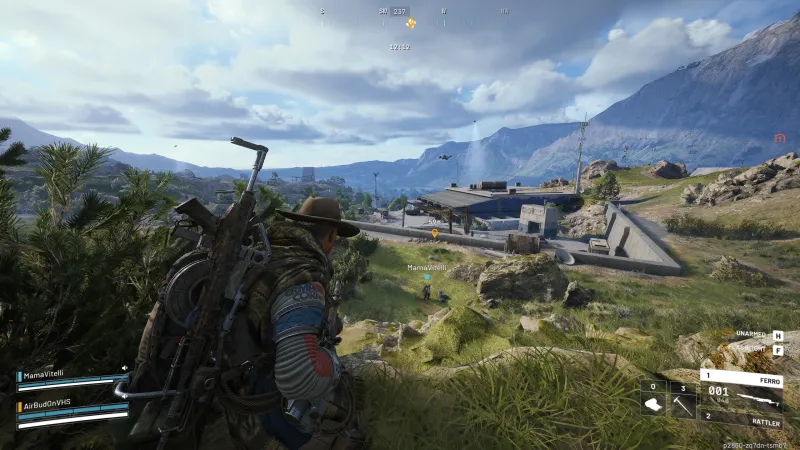
Every match requires careful strategy. My risk tolerance and level pathing often change based on the loot I’ve acquired; death results in losing everything in your inventory, save for one or two items stowed in a character’s safe pouches. Elevators (or train stations, in some cases) act as public extraction zones, requiring squads to wait while loudspeakers and alarms signal their exit attempt. Friendly players may also try to exfiltrate alongside you, as departure points slowly deactivate as the match’s 30-minute timer runs out, but ambushes and backstabbings are always a consideration. Even well-intentioned alliances can fall apart due to miscommunication or interference from other parties, making every successful extraction a satisfying relief.
Before loading into a map, players arm themselves with old-world weaponry, such as schlocky marksman rifles and crudely-crafted shotguns, alongside a selection of experimental gadgetry, including photoelectric cloaks, portable barricades, laser weapons, and a variety of explosives and traversal items. Battles play out spectacularly, with Embark’s art and audio mastery on impressive display. Sparks fly as bullets penetrate shields, glimmering particles and glitch sounds signaling the devices’ electrical failure. Flairs automatically fly skyward whenever a raider is knocked out, flagging their vulnerability and whereabouts to friendlies and enemies alike.
Every weapon distinguishes itself with distinct characteristics, such as reload time, fire rate, range, and recoil pattern. Many items in Arc Raiders have multiple use cases, enabling players to creatively overcome a wide range of scenarios. I love outplaying a better-equipped squad with a thoughtful strategy, like using a Lure Grenade to provoke a nearby Rocketeer to attack their position, narrowly escaping via the contested exit with my hard-earned spoils.
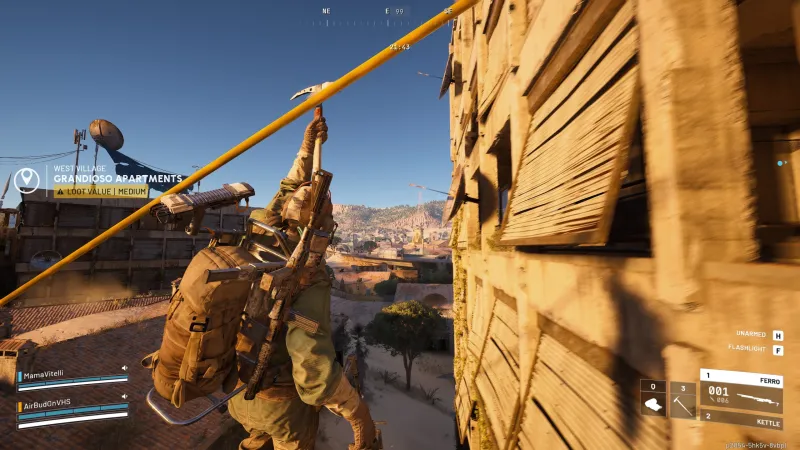
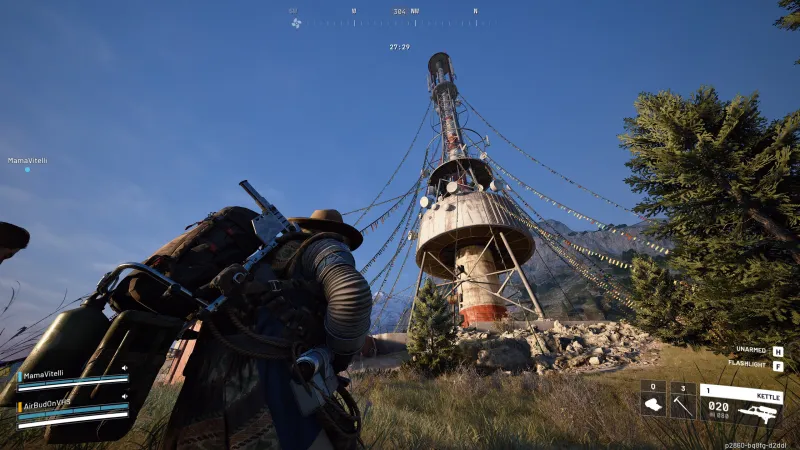
Environments are beautifully rendered and full of depth and verticality, frequently rewarding players for exploring even the most discrete locations. The mountainous Dam Battlegrounds features concrete laboratories rife with hostile security systems that dispatch swarming rollerbots and turret-like sentinels. Spaceport depicts lore-rich scenes showcasing the Arc’s immense scale, with deactivated machine husks draped over the perimeter wall guarding a rocket launch site, the massive carcass dwarfing a monument to humanity’s accomplishments.
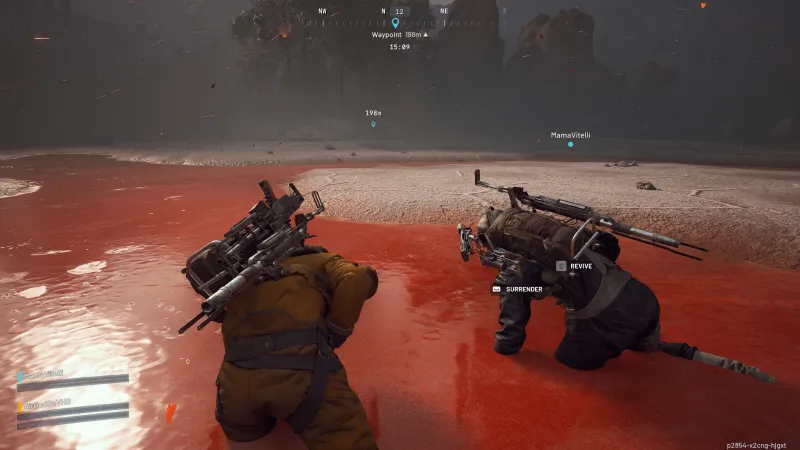
Points of interest not only serve as strategic strongholds, but they also often attract multiple teams searching for various categories of loot, creating natural friction that keeps encounters tense and unpredictable. Alternatively, common regions offer a slower pace for risk-adverse raiders, usually trading rarer discoveries for less opposition. Various weather systems and map modifiers, like Electromagnetic Storm or Night Raid, significantly alter the loot pool, enemy machine behavior, general visibility, and available extraction points.
Although the overall crafting experience is polished, inventory management is a notable pain point. Upgrading your stash size is easy enough (it requires money from sold valuables), but there’s no way to search for a specific item in your inventory, increasing the time spent outside of excursions while trying to locate certain crafting resources. Despite an automatic system that groups loot into common categories like quick-use consumables or weapons, the lack of bin customization options is generally frustrating.
The artificial intelligence powering the Arc's behavior is exceptional. Stealthing past patrols is exciting, as foliage and shadows affect the machines’ detection capabilities. The moments whenever a machine detects you are exhilarating, as they check corners and change elevation while tracing your scent like a hunting dog. Fighting Arc is risky, whether fighting grunt-like Wasps or evading larger menaces like Bastions and Leapers, as they can quickly dismantle even the most skillful team. Each threat demands serious consideration.
As it did with The Finals, Embark’s debut release, the studio’s continued reliance on AI-powered text-to-speech tools detracts from my enjoyment of its final product. This technology is used in collaboration with the game’s ping system to highlight objects in the environment with dialogue barks.
Setting aside my ethical concerns, I struggle to see how text-to-speech generation actually improves production, which is the company’s stated reason for using such technology. The democratization of audio recording processes over the last 20 years has made capturing performances, even remotely, easier and more affordable than ever before. Arc Raiders’ flat acting and dialogue barks stand out in a game with such beautiful human-generated art.
However, this use-case is nuanced. Players may elect to mask their authentic voices with one of the pre-recorded actors’ voice models, using Embark’s text-to-speech technology, allowing vulnerable populations to avoid harassment they may otherwise face in online video games. I’ve witnessed firsthand how misogynistic and toxic some multiplayer lobbies can be towards women and other minorities. If this setting helps those folks enjoy a title they might not have otherwise, I count it as a silver lining.
Despite my misgivings, I hold the human-made experience of Arc Raiders in high regard. Its creators have made an intriguing world full of curiosities and payoffs. Nearly every match yields a memorable sequence: an unexpected encounter, a dramatic escape, a hilarious interaction, or a tragic end. While casual gamers may find its harsh consequences frustrating, Arc Raiders provides an impressive setting and format for multiplayer fans seeking excellent engagements and novel interactions.

Score: 9
Mixtape, The '90s Coming-Of-Age Adventure By The Creators Of The Artful Escape, Delayed To 2026
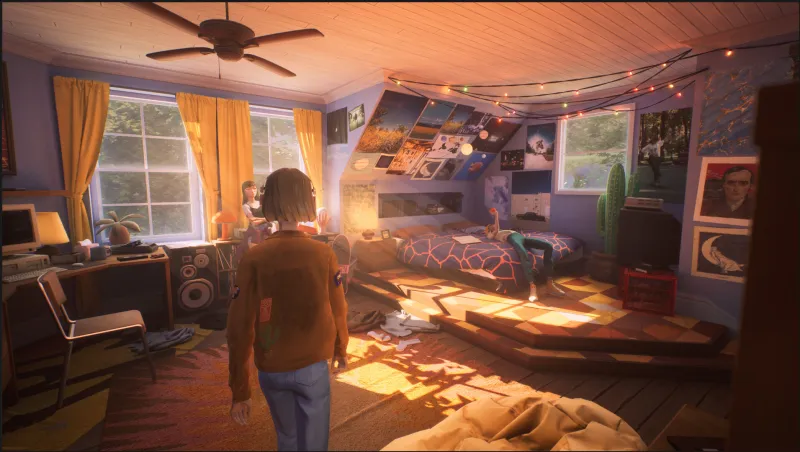
Mixtape, the coming-of-age adventure by the creators of The Artful Escape, has been delayed to 2026. First revealed during the 2024 Xbox Showcase, the game was slated to launch sometime this year.
In a social media post, developer Beethoven & Dinosaur states that Mixtape is “almost complete” and implies it's largely just applying finishing touches. The studio didn’t narrow the release window beyond the year, however, so we’ll have to stay tuned to see if the game arrives sooner than later.
Here is Beethoven & Dinosaur’s full statement:
While developing Artful Escape, our 3D artist Mikey, made an oven asset. It was a nice oven - the work of a true pro. He even put the knobs on. And that’s who we are at Beethoven & Dinosaur. We put the knobs on. Mixtape is almost complete, we’re just putting the knobs on. See you in 2026.
Mixtape is published by Annapurna Interactive and takes place in the 1990s, centering on teenager Stacy Rockford, who dreams of becoming a music supervisor in Hollywood. She has a passion for creating mixtapes, and the story follows her and her teenage friends as they embark on a final adventure together. The game primarily consists of playable vignettes as the teens recall cherished memories, which often unfold as exaggerated takes on these events, accompanied by fourth-wall-breaking narration. The game’s presentation features a stop-motion-inspired animation reminiscent of the Spider-Verse films, and the soundtrack boasts tracks from artists including Guns & Roses, DEVO, The Smashing Pumpkins, Roxy Music, Iggy Pop, Joy Division, and many more.
We played Mixtape during Summer Game Fest this year, and it became one of our favorite demos at the show. You can read our full preview here. Mixtape is coming to PlayStation 5, Xbox Series X/S, and PC.
To read about other big delays, check out these news stories on the recent delays of Grand Theft Auto VI and Marvel 1943: Rise of Hydra.
Lumines Arise Review - It’s All Connected
Reviewed on:
PlayStation 5, PlayStation VR2
Platform:
PlayStation 5, PlayStation VR2, PC
Publisher:
Enhance Games
Developer:
Monstars
Release:
Rating:
Everyone
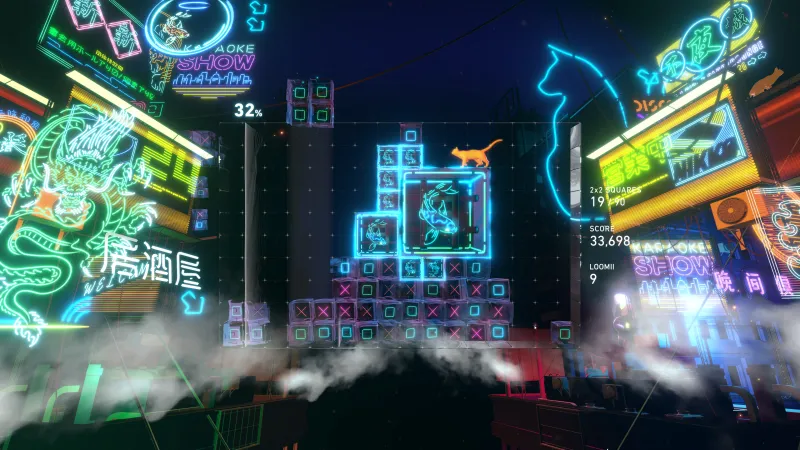
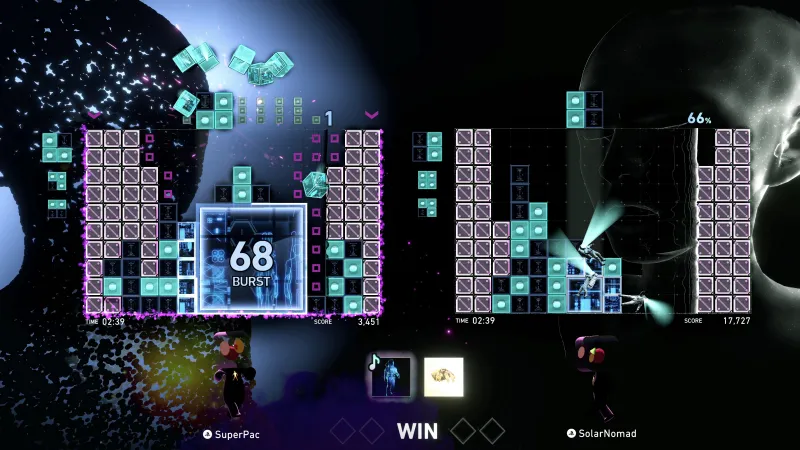
After Tetris, but before Tetris Effect, there was Lumines. Creator Tetsuya Mizuguchi’s engrossing puzzle game was a launch title for Sony’s PSP handheld in 2004 and as the story goes, it was created when issues prevented Mizuguchi’s team from acquiring the Tetris license. It worked out, however, as the core mechanic of Lumines is fantastic. For me, Lumines is second only to Alexey Pajitnov’s enduring classic in terms of puzzle games, and Mizuguchi would eventually secure the license for Tetris Effect years later. Lumines Arise thankfully maintains and feels as good as Lumines always has, and borrowing the aesthetic of Tetris Effect (which Lumines technically did first in many ways) creates an excellent blend of visuals and puzzle bliss.
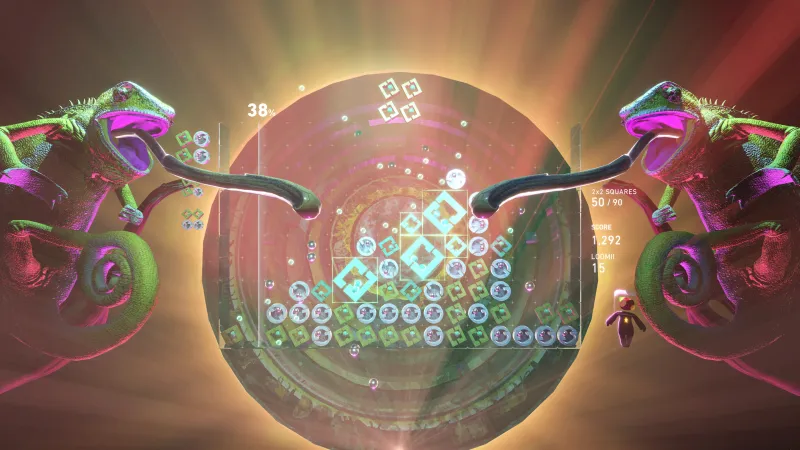
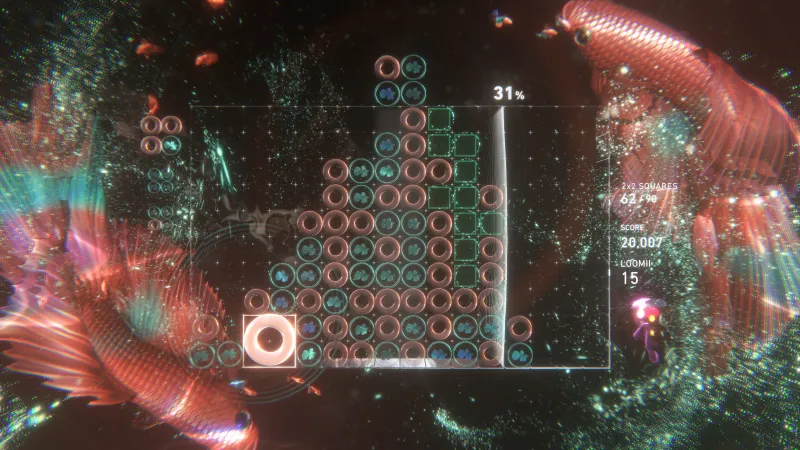
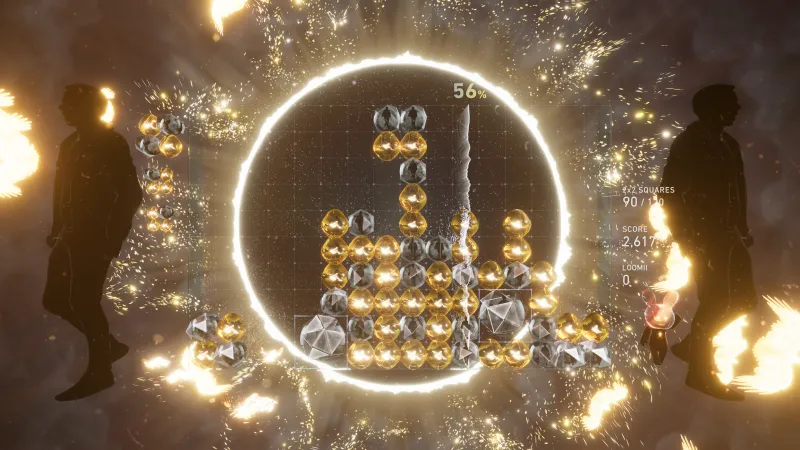
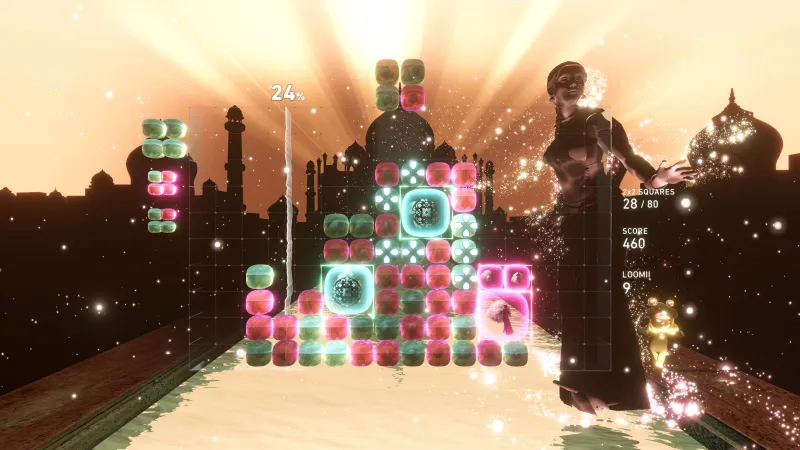
The basic idea is that multicolored blocks fall into a well, and you must create squares of the same-colored blocks. True to Enhance’s pedigree, it’s all done in rhythm to music, and the squares you manage to create get wiped away. As you drop and rotate blocks, it also creates sound effects that add to the music. This has always been the core idea of Lumines, and it’s recreated well here. The big upgrade with Arise is the presentation.
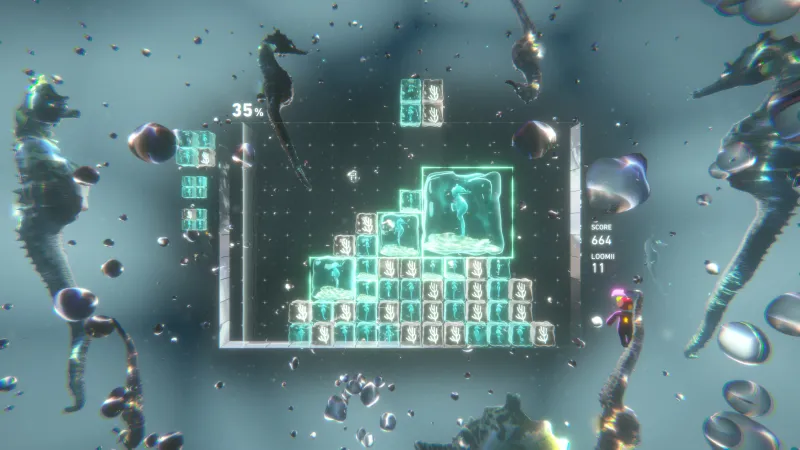
Like Tetris Effect (and the original Lumines), the visuals, audio, and pace shift and change every few minutes. Success is rewarded with abstract imagery and radically different block styles. One of my favorite levels features giant hands connected to balls of spider silk, while the alternate blocks are pieces of electronic steel. Another features shifting vegetables that slice into pieces when you successfully make them disappear. All of the stages are interesting and bizarre, and even the ones that are less fascinating still let you play Lumines, so it’s impossible to be annoyed or angry at them.
Seeing all the different graphical options is the main attraction for Lumines Arise, and it’s all gathered into a campaign that you can play and beat, which is great. It doesn’t take long to get through all of them, however, and the other modes are just okay. There are lots of puzzle-like tutorials to get through and an online mode to play against others. I had good technical experiences playing multiplayer online and locally, but I had much more fun with the main single-player game and letting it overtake my senses – something you can’t really do when competing against another.
In fact, I found many of the online components distracting. Avatars from other players populate your start screen, and they occasionally show up in the single-player campaign, especially in the later stages. They don’t interfere much, but the presumed sense of community Arise is trying to foster fell flat. I mostly found that everyone was just getting in the way of my desired Lumines experience.
I’m also disappointed that there isn’t something akin to the endless modes of past Lumines games, where you can basically play to see how long you can go and chase a high score. Without that mainstay mode, I wasn’t super incentivized to return to the single-player campaign, even though I loved it.
My complaints, however, mostly amount to minor distractions and a desire for more of what I liked the most: the campaign. The core game is stirring, beautiful, and always engaging. Lumines Arise, like its cousin Tetris Effect, is the kind of game that I won’t delete from my hard drive because I will always want the option to lose myself to the game periodically, which Arise is consistently excellent at.
Playing in VR
Like Tetris Effect, Lumines Arise offers VR support via PlayStation VR2 or SteamVR, depending on your platform. It’s arguably the ideal way to play, but I wouldn’t argue that it is the way you need to play. The advantage of VR is that it lets the game fully take over your senses. Your focus and peripheral vision become all Lumines, and with headphones on, it is easy to be fully absorbed and lost in the sea of falling blocks and music. Like Tetris Effect, it is one of my favorite games to play in VR, but I don’t think you are missing out on the core experience if you’re not wearing a headset. It’s like the difference between watching a movie at home full of distractions, or watching a movie in an IMAX theatre with an attentive crowd. The latter experience is more enthralling, but the story, soundtrack, visuals, and performances are the same.
Score: 8.75
A Nintendo Direct For The Super Mario Galaxy Movie Blasts Off November 12

The Super Mario Galaxy Movie, a sequel to 2023's Super Mario Bros. Movie, is getting a dedicated Nintendo Direct later this week. According to the Nintendo Today app and social media posts, the livestream will air at 9 AM ET/ 6 AM PT.
"Join us on Wednesday, Nov 12, at 6am PT for the Nintendo Direct featuring the world premiere of The Super Mario Galaxy Movie official trailer," the social media post reads. "Please note that no game information will be included in this presentation."
While it's not surprising, eager fans can rule out the possibility of news of a new Mario game during this stream. If it's anything like the Direct for the last Mario movie, it will likely include some statements from people at Nintendo and Illumination, add in a potential casting reveal, and conclude with a teaser from the film. You can check out the last direct as a reference here.
While we don't know much about the Super Mario Galaxy movie, we know a few things. Much of the main cast is confirmed to return, but while Rosalina is a crucial part of the Mario Galaxy games, we don't know for certain whether she'll appear. On the other hand, Yoshi, one of the most recognizable faces in the Mario universe, will very likely make an appearance. This floating green dinosaur was teased at the end of the first movie when a Yoshi egg was revealed to be sitting in the sewers. We also know Yoshi appears in the movie because, of all things, it was revealed via a box of Mario-themed cookie dough.
When the Direct does go live on Wednesday, you'll be able to watch on YouTube or on the Nintendo Today app.
Goodnight Universe Review – A Psychic Joy With A Few Stumbles

Reviewed on:
PC
Platform:
PlayStation 5, Xbox Series X/S, Switch, PC
Publisher:
Skybound Games
Developer:
Nice Dream
Release:
Rating:
Teen
Webcam games carry some baggage, thanks to years of novel but shallow experiences. 2021's Before Your Eyes shook up the tedium with an emotional story you blinked through. The same team returns for Goodnight Universe, an interactive experience that reads your face and reacts accordingly. Goodnight Universe is a joy to play through and has at least a few moments that might linger, especially in the way they incorporate you, the player, into the story.
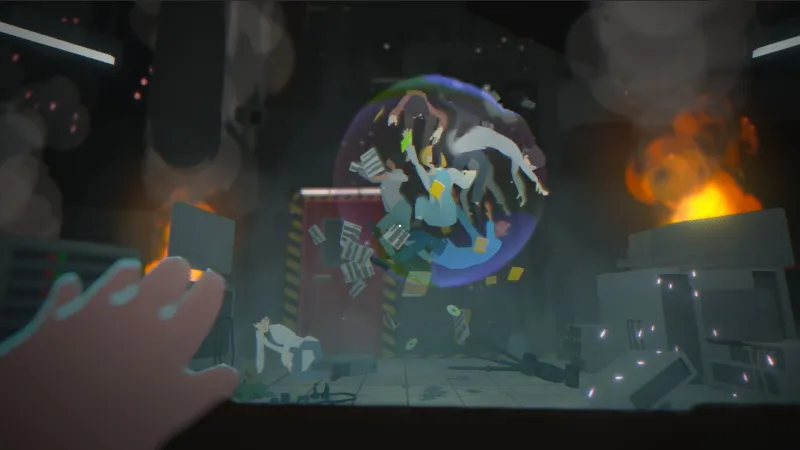
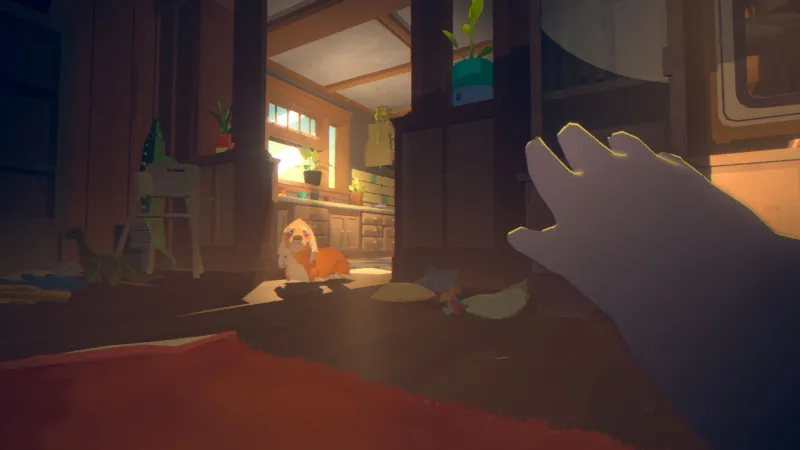
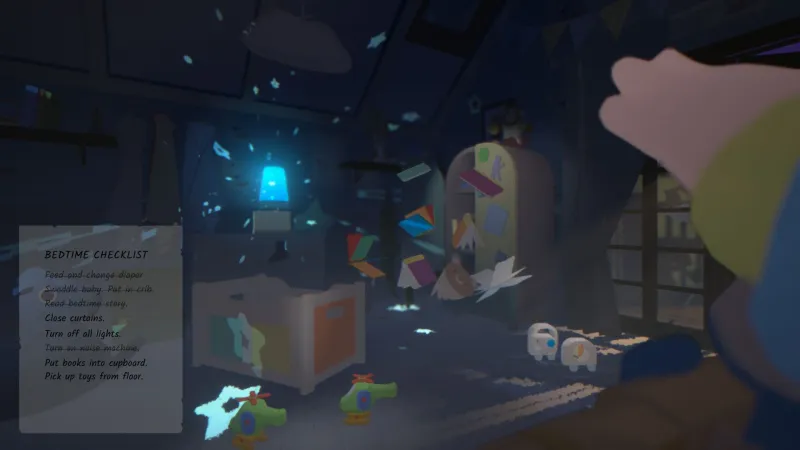
In Goodnight Universe, you play the role of Isaac, a child born to a seemingly normal, middle-class family. The only problem is, you're anything but normal; you've got the inner monologue of someone much older, and if that wasn't enough, you've got an arsenal of psychic powers like telepathy and telekinesis.
The idyllic family life is quickly shattered, as Isaac's – your – strange abilities become apparent, and start to stretch out a family that's quietly tearing at the seams. A tech company gets involved, a mystery ensues, and there's plenty of action along the way.
Goodnight Universe is a story about families, and how one's upbringing can shape who they become later in life. The parents of Goodnight Universe struggle with their responsibilities, trying to provide guidance for children who seem uncontrollable. It's a short story, clocking in around five hours, but packs a lot of emotion into the runtime. While the story gets side-tracked in certain sections, in ways that blur the thematic drives it's aiming for, I still enjoyed what Nice Dream crafted in this sci-fi adventure.
There are controller options, but the best way to play Goodnight Universe is with a webcam. Though you'll still need some inputs for specific moments, you also get some of the blink-based controls carried over from Before Your Eyes. Blinking at a light can flick it on or off, for example, and closing your eyes over certain areas lets you rearrange them and open your eyes to a new structure, like reassembling building blocks into a tower.
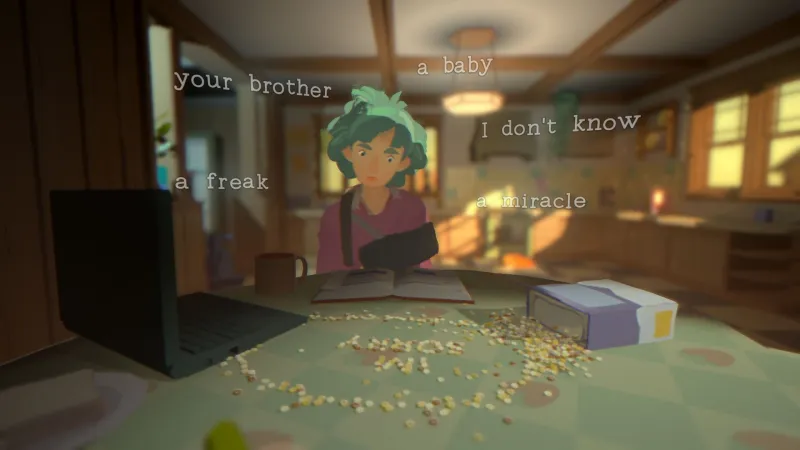
My favorite use of the eye controls is the telepathy mechanic, where you "tune" into people's minds by closing your eyes and turning your head like a radar dish to search for a signal. Once it locks in, you listen to their internal monologue. The effect of tuning in and hearing the voices works incredibly well with webcam detection and headphones, and makes for some really memorable instances of storytelling you can’t get in other games.
However, the emotional detection options were a little more finicky. At certain moments, the player is prompted to express joy or sadness through their facial expressions, once again powered by the webcam if it is turned on. I learned quickly that I had to over-exaggerate my smile and frown for the camera to tell the difference, and those moments didn't make a significant impact for me compared to other fun baby-psychic-power segments.
Most of Goodnight Universe is spent watching the world play out around you, and reacting accordingly, occasionally nudging the virtual stage play along using your psychic powers. Some choices allow you to add context and texture to your story, and what your character is feeling in the moment, but it’s ultimately a linear tale. Still, it made some of the larger emotional moments hit harder by prompting me to engage with them; determining how I thought Isaac felt, or how I felt through Isaac, created an interesting dynamic in what would otherwise have been just a digital play happening around me.
The voice acting is also stellar, with the family and supporting cast putting on dynamic performances. Goodnight Universe's sound design is powerful, from the aforementioned psychic "tuning" moments to subtle bits of foley or synth soundscapes that help communicate the story around you.
While it doesn't land with quite the impact that I felt from Before Your Eyes, Goodnight Universe still shows there's an impressive range of story and interactivity to explore in this space. Its hardware requirements and format justify themselves well through how the game utilizes those tools, creating truly moving moments through interactivity that you just don't see often. Goodnight Universe is a wonderful exploration of what's still possible with a simple webcam.