Reading List
The most recent articles from a list of feeds I subscribe to.
How The New Voice Over Affected Dragon Quest VII Reimagined
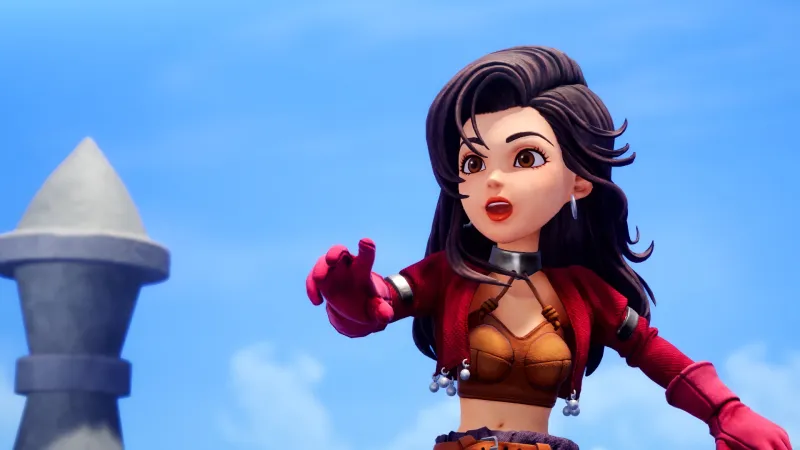
Dragon Quest VII Reimagined is the first version of Dragon Quest VII to feature in-game voice acting, meaning characters like Sir Mervyn, Aishe, Maribel, Prince Kiefer, and even Ruff, will be voiced. Neither the original PlayStation release of Dragon Quest VII nor the 2016 3DS remake featured voice acting, so I asked Reimagined lead scenario writer if this changed how the team approached redesigning the story.
Unsurprisingly, it did.
"Knowing that it was going to have voice over certainly did change the approach of the way I wrote the narrative here," Sayaka Takagi tells me within Square Enix's Shibuya offices in Tokyo, Japan. “The original release on PlayStation didn’t have any voiceovers, and it was written [out]. So certainly, the way we wrote the language of the dialogue [in Reimagined] needed to be changed to be more realistic and more modern for modern audiences.”
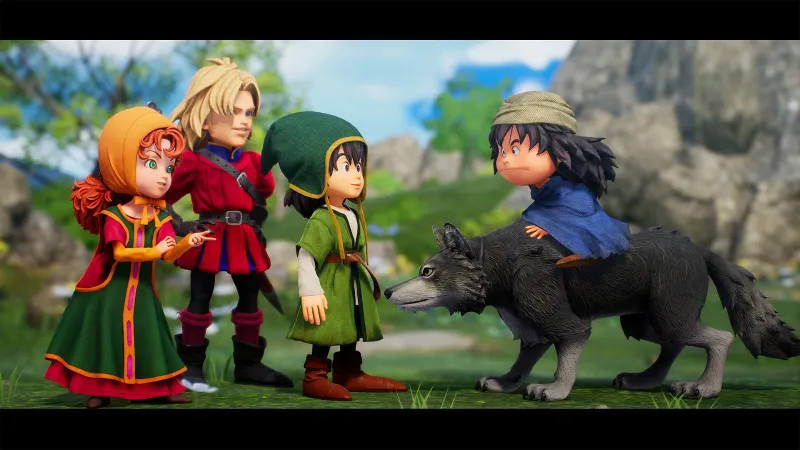
She says colloquialism played a significant factor in writing Reimagined’s dialogue, because everything needs to sound natural for the various included voice-over options.
I hear first-hand one of these changes when I encounter eventual party member Sir Mervyn at the top of The Tallest Tower dungeon while playing the game. After I awaken him from a special stone to defeat the flying Chimaera surrounding the tower, he does just that before gracefully landing beside my party. It's here I hear his voice, and it sounds like that of a medieval knight – this isn't too shocking, considering how he looks.
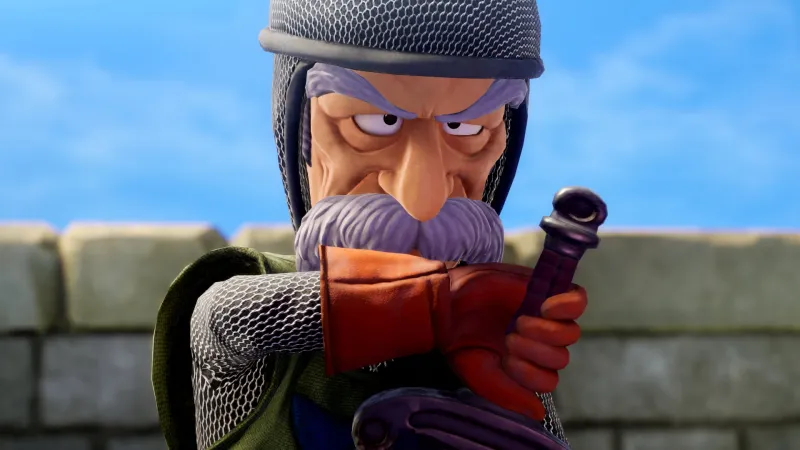 Sir Mervyn
But in Japanese, he talks like a feudal samurai, Reimagined producer Takeshi Ichikawa, who you can read more about here, says. Another example of this colloquialist effect present in Reimagined comes from Bulgio, an extremely wealthy man who gives Hero the special stone that houses Sir Mervyn. In English, Bulgio mixes Italian words into his English, reflecting the multicultural inspiration present throughout the world of Reimagined. In Japanese, however, that's not the case – instead of mixing English and Italian, his dialogue instead reflects his character rather than a nationality.
"He's supposed to be this rich, arrogant guy, and that's reflected in the dialogue," Takagi says on the differences between the Japanese localization and the English version, noting her work is focused on the former while other teams handle the latter. "At least for the Japanese version, we didn't necessarily write dialogue in a way that you can tell what these specific cultural backgrounds are for each character, but we did write dialogue in a way that it's immediately understandable what kind of personality that character has."
Takagi adds, "The world of Dragon Quest VII, as you know, is comprised of many different islands, and obviously the dialects on each of those islands tends to differ, so it is a very important part of the story of Dragon Quest VII to ensure that the residents of those islands can reflect the uniqueness and individuality of each of those islands and the cultures they have."
We'll get to hear more of these new voices when Dragon Quest VII Reimagined launches on PlayStation 5, Xbox Series X/S, Switch 2, Switch, and PC on February 5, 2026.
In the meantime, check out this article breaking down everything in the Dragon Quest VII Reimagined issue of Game Informer, and be sure to subscribe here if you haven't yet so you can access the Dragon Quest VII Reimagined cover story, our deep dive into Dragon Quest history with creator Yuji Horii, and so much more. Here are some other stories to check out:
- Dragon Quest VII Reimagined Will Have A New Never-Before-Seen Conclusion
- Who Is Takeshi Ichikawa, The Producer Of Dragon Quest VII Reimagined?
- Here's How The Dragon Quest VII Reimagined Team Streamlined Its Main Scenario
Whose voice are you most excited to hear in Dragon Quest VII Reimagined? Let us know in the comments below!
Metroid Prime 4: Beyond Preview - Metroid Prime 4 With Mouse Controls Is Mind-Bendingly Good

Platform:
Switch
Publisher:
Nintendo
Developer:
Retro Studios
Release:
After eight long years, Metroid Prime 4: Beyond is nearing a real launch. I got the opportunity to both stand and sit down to play some of it on the Switch 2, and it feels like it hasn't missed a step in the interim.
My first playable section was a run back through the opening of Metroid Prime 4: Beyond, shown off in last year's Nintendo Direct; intergalactic bounty hunter Samus Aran arrives at a research station under attack from space pirates, and leaps off the top of her ship to assist.
After working my way through tutorials and several dozen space pirates, I eventually hit the cutscene introducing Sylux, the Metroid Prime Hunters baddie who's taking a more central role. He's important, it seems, but this is the only portion of the demo where I see much mention of him, the space pirates, or the Metroids that strangely follow his commands.
I'm guessing Sylux plays a more significant role later, but after being taken to the next demo room, I'm dropped into the thick of it: Samus, sans powers, in the new world of Viewros. Well, not all powers. The bounty hunter will have to regain abilities like Missiles and Morph Ball bombs again, but the upside is a new suite of psychic abilities, enabled by a glowing purple gem in the center of her helmet.
For puzzle-solving, this means Samus can move specific orbs and other objects with her mind to open doors and access new areas. Her bounty hunting arsenal also gets a boost from the newfound powers, too; Samus' Psychic Morph Ball bombs can be picked up and moved around before they detonate, and her Control Beam can be piloted through the air to its target.
The Control Beam is applied to both puzzles and combat as I dive deeper into the jungle zone. Shooting a Charge Shot through an opening and around to the backside of a door to open it is rewarding to pull off. A later boss fight, against a plant monster with whip-like limbs, requires me to break the shields guarding its appendages and then curve a Control Beam around the arena (like in the 2008 film, Wanted) taking out every weak spot in one go. The suite of psychic powers already seems like a standout for Metroid Prime 4: Beyond.
I tried out all the control schemes I could to get a sense of the best way to play: attached Joy-cons, a Pro controller, and the controller-plus-mouse mode. The mouse controls genuinely surprised me. There are many situations where Samus might want to lock onto an enemy but then pinpoint specific parts around its body, or even doors that had me lock on, then hit several corner areas while staying locked on the center. Mouse controls felt perfect in those moments, allowing for quick and precise targeting while on the move. I still prefer the Pro controller for general ergonomic reasons, but with a good mat, the Joy-Con mouse felt less like a novelty and more like a genuinely viable alternative control scheme.
About halfway through my venture through the Fury Green area, Samus stumbles upon a Federation fighter who's also stranded on this strange new planet. After rescuing him, he reveals he's an engineer, and starts following Samus. This companion character dynamic is interesting; for gameplay reasons, it means you have a helping hand in some combat sections, though you'll also need to keep an eye on your new friend and protect him when things get dicey.
Narratively, the engineer helps push the area progression forward by interfacing with the strange tech left behind by the Lamorn, a long-lost alien race that seems tied to everything happening on Viewros. He also provides a bit of comedic relief counter to Samus' silent, stoic stature. The dynamic is enjoyable, but I do hope it's used sparingly.
The lush foliage surrounding my starting area is spectacular. Playing Metroid Prime 4: Beyond in either handheld and docked modes look great, but the colors popped just a little more when lit up on a big screen. I looked for fault, and only saw a few stutters here and there, but never near enough to drag the experience down. The strange, dangerous flora and fauna build an incredible atmosphere. The soundtrack is excellent too, with all the musical stings and eerie ambiance you'd want from this sci-fi adventure.
Metroid Prime 4: Beyond has been an entire console generation in the making, which makes for a tough bar to clear. After spending time exploring the world of Viewros, though, Metroid Prime 4 is poised to be an exciting adventure for Nintendo's intergalactic bounty hunter. Samus' mind is expanding, but it's still the shot-charging, ball-rolling, back-tracking adventure you'd hope for in a new Metroid Prime.


Hyrule Warriors: Age of Imprisonment Review - Reverent, But Redundant

Reviewed on:
Switch 2
Platform:
Publisher:
Nintendo
Developer:
AAA Games Studio
Release:
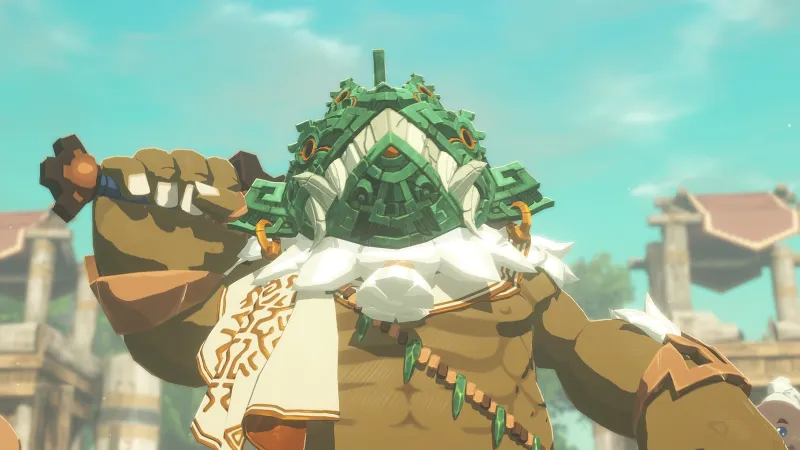
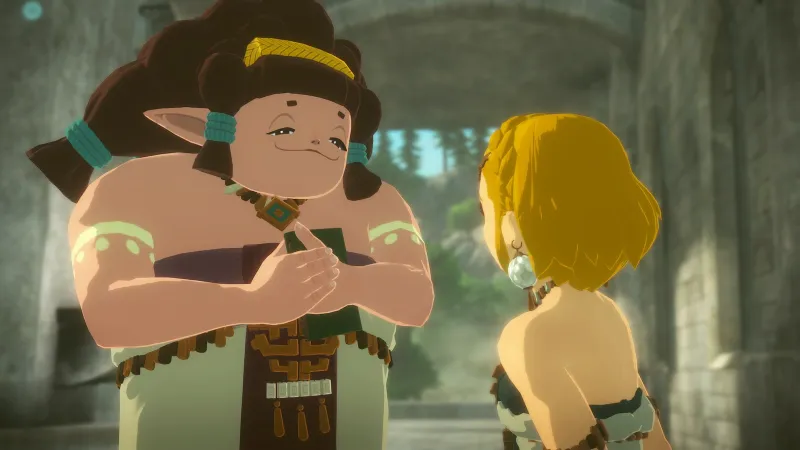
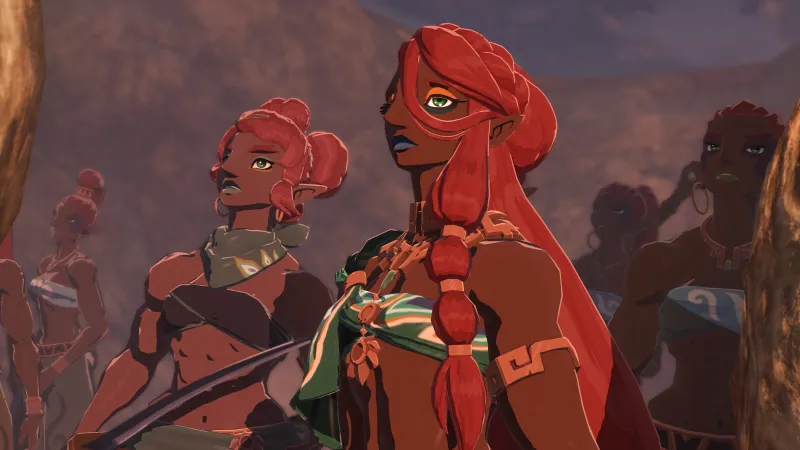
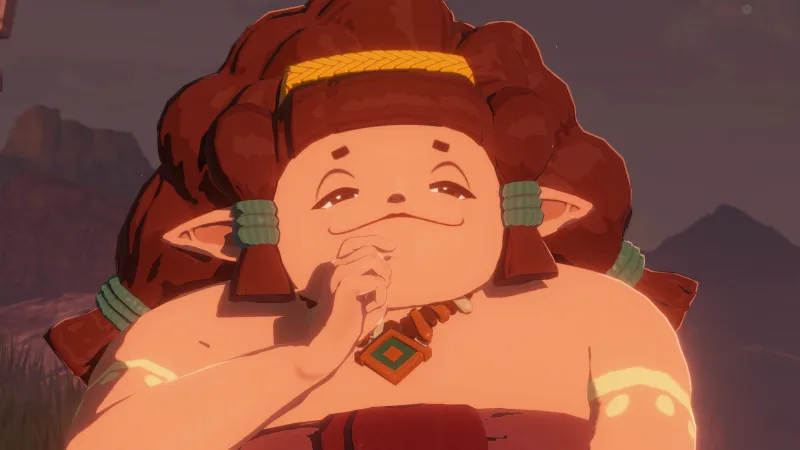
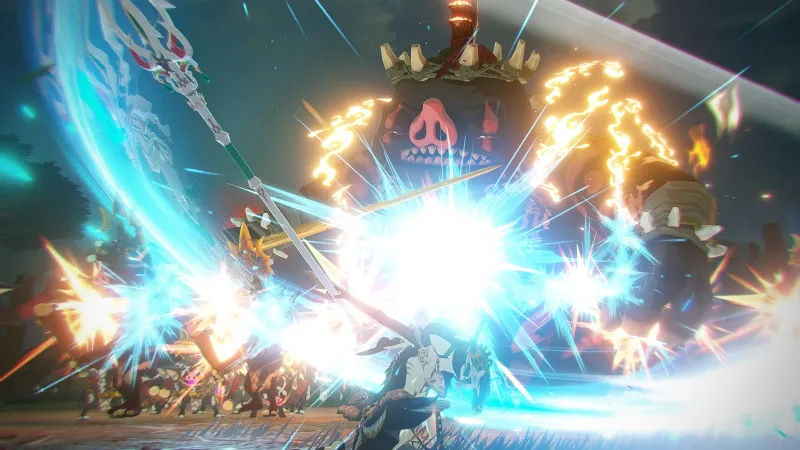
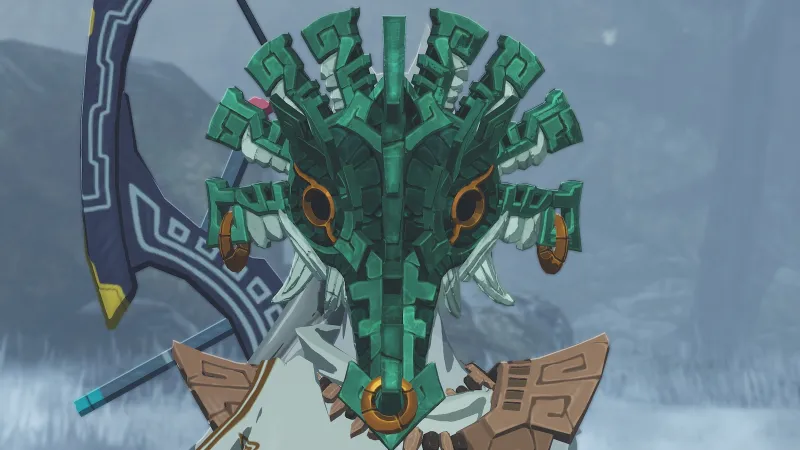
The Zelda franchise values its narrative, but its importance to defining the series rests behind elements like exploration and puzzle solving. The story of Zelda is, however, important to me, and it is especially personally important when it comes to The Legend of Zelda: Breath of the Wild and The Legend of Zelda: Tears of the Kingdom. Without offering spoilers, the previous Hyrule Warriors, Age of Calamity, did not take Breath of the Wild’s canon seriously. It led to a supremely disappointing experience, despite some fun musou action. Age of Imprisonment offers myriad improvements across the board mechanically and visually, but my favorite element is that it treats Tears of the Kingdom’s story with respect.
Age of Imprisonment isn’t a prequel to Tears of the Kingdom, per se, but if you played that 2023 game, you will know what to expect from the story. It plays it safe by offering very little in the way of revelation, but it works as an opportunity to see more of Zelda’s circumstances and introduces lots of new characters that all have great designs and are fun to play as. The dialogue and voice performances are not particularly impressive (living up to the standard set by Tears of the Kingdom), but I enjoyed spending more time with Zelda and Rauru, and gaining a deeper insight into the tribulations they experienced.
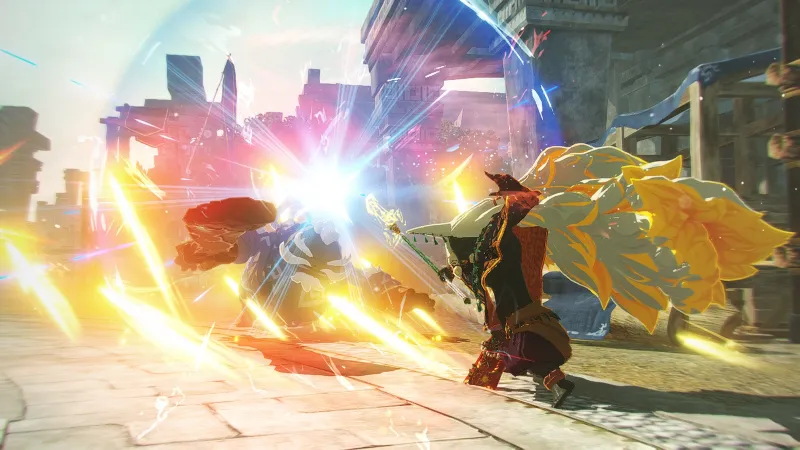
Like a typical Zelda game, however, the primary experience is not the plot. Imprisonment is a Musou game that follows in the mechanical and structural footsteps of Dynasty Warriors. Zelda must go on a series of missions with a deep bench of secondary characters, fighting thousands of enemies at a time across battlefields large and small. The gameplay is familiar to other games in the genre, and undeniably repetitive, but a number of wrinkles keep the action fresher than comparable games.
Alongside bouncing between multiple characters and using their various special moves as cooldowns expire, boss characters now enact certain special moves that require pausing time to select the correct counter for big payoffs. Knocking bosses out of the air or breaking their shields adds worthwhile contemplation to combat, but like mashing the attack button over and over against the same types of enemies, it did get old after approximately 20 hours. That said, it is the most enjoyable Musou combat I've experienced to date, and on Switch 2, it all looks and runs fantastically, which is a welcome upgrade over the first two Hyrule Warriors games.
Outside of combat, you look over Tears of the Kingdom’s familiar map and allocate the items you’ve collected to where they are needed to upgrade your fighters. I enjoyed this break between missions because it offered the feeling of perusing Tears of the Kingdom’s map, and also created a worthwhile loop of collecting items and distributing them. It provided the added benefit of actually making me want to tackle sidequests, despite them all playing similarly. The items can also be used before each mission to upgrade weapons, increase attack power, experience, speed, and other stats, which makes all the collected items feel genuinely valuable and worth chasing.
Perhaps Age of Imprisonment’s best trick, however, is how it makes me feel like I’m back in the world of Tears of the Kingdom. The art direction, menu elements, music, sound effects, and more all remind me of being back in 2023 getting lost in one of my favorite games of the last decade. Imprisonment’s gameplay is very different, and not nearly as engaging or consistently novel, but I eagerly pulled the warm blanket around me while executing Zelda’s ultimate attack for the hundredth time.
Score: 7.75
Dispatch Review - With Great Power Comes Guaranteed Paperwork
Reviewed on:
PC
Platform:
PlayStation 5, PC
Publisher:
AdHoc Studio
Developer:
AdHoc Studio
Release:
Video games have been trying to compete with film for years. Some developers hire A-list actors, pile on cinematic spectacle, and chase Hollywood flash like a cartoon coyote chasing its prey. While trying to compete with film, games have often adopted the language of cinema. Dispatch offers an alternative. Instead of imitating movies, it borrows liberally from prestige television, showcasing character-driven storytelling, slow-burn drama, and high emotional stakes that tighten with every episode.
AdHoc Studio is still a young team, but it came out of the gate swinging. Its first game proves that the old Telltale adventure formula was never broken; it just needed a rewrite. Dispatch is a compelling interactive drama that feels like binge-watching a stylish new superhero series. And in this case, the writing is the ultimate star.
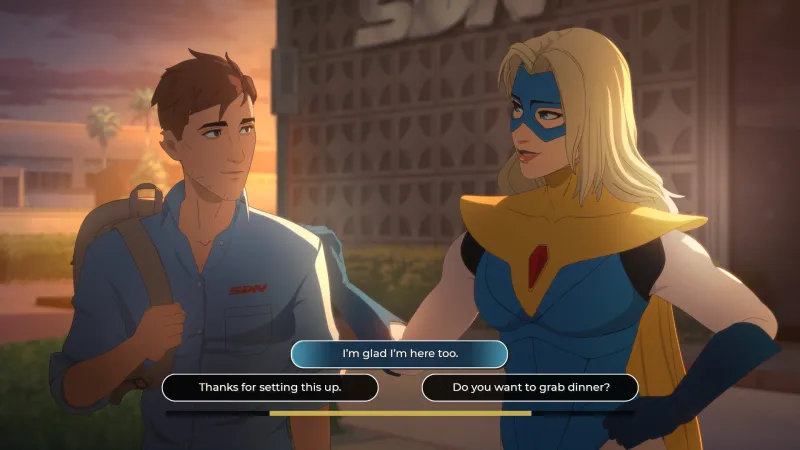
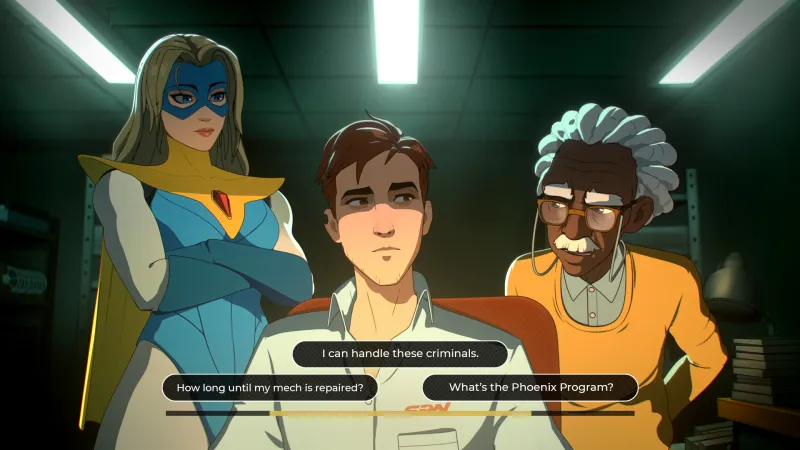
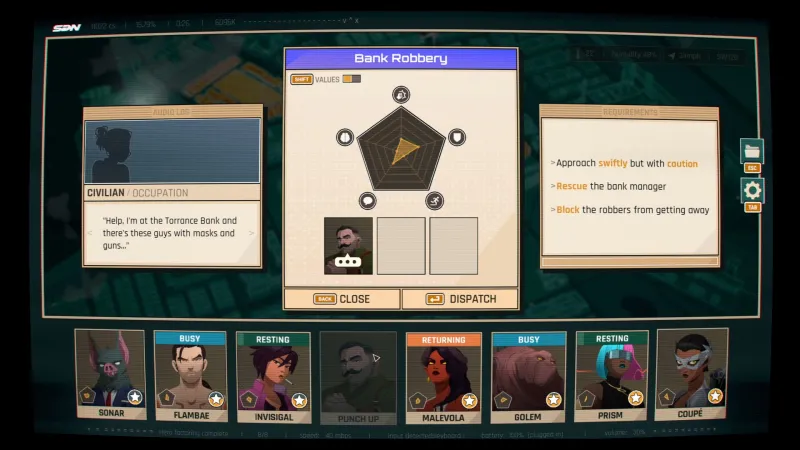
Dispatch’s narrative gripped me from its opening minutes. The story follows Robert Robertson, the third in a long line of high-tech heroes who go by the moniker Mecha Man. When Robert's powerful mecha suit is trashed during a catastrophic mission, he's forced to rethink his life choices and ultimately joins the Superhero Dispatch Network. As you might guess from the name, SDN is a superhero-run organization dedicated to routing heroes to emergencies around the city.
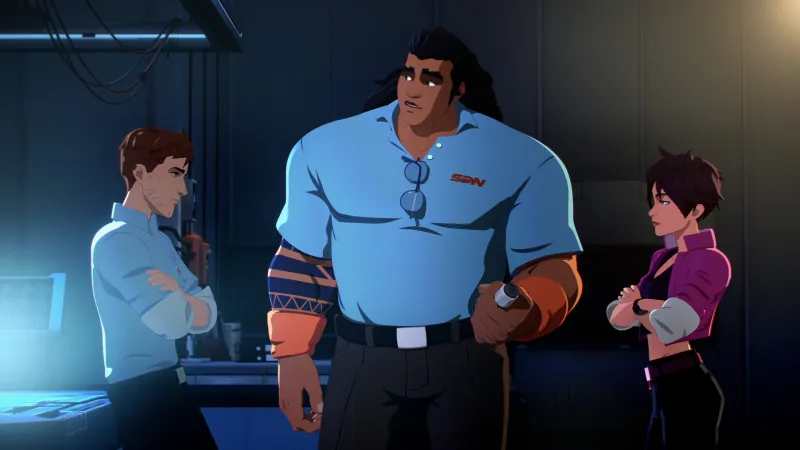
Now desk-bound, Robert’s life quickly devolves into a tightrope act as he manages crises behind the scenes while juggling office politics, broken egos, and a messy love life. It’s a refreshing take on old superhero tropes, focusing on bureaucracy and complex relationships rather than grand spectacle – though there are some spectacular fights along the way. The writing balances sardonic workplace humor with genuine heart; I found myself laughing out loud at Robert’s deadpan exchanges with other heroes.
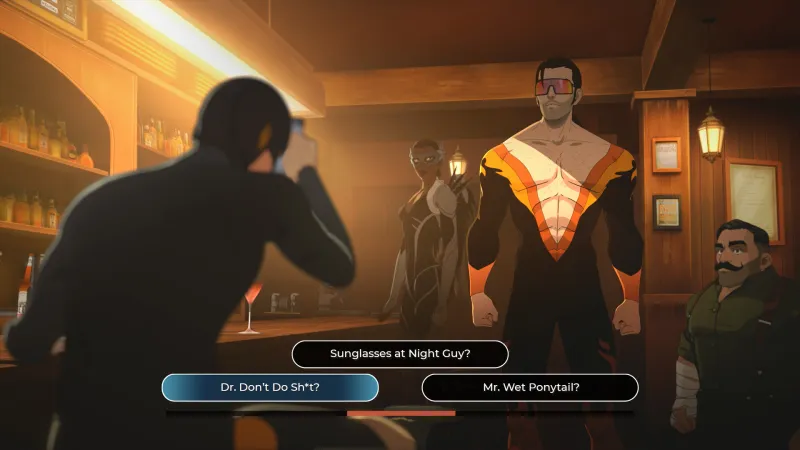
The choices in Dispatch flow as naturally as conversation. Thankfully, none of the options flash "good" or "bad" like a neon sign; everything feels grounded and human… well, superhuman. Dispatch’s choices consistently compelled me to think through their consequences. I actually had to pause the game when I was asked if I wanted to reveal my secret identity to a reformed villain who despised Mecha Man but didn’t know I was the man behind the machine. Not every decision carries this kind of gravity, and the choices don’t radically rewrite the overarching plot, but I didn’t care because the larger narrative felt so sturdy. Instead, those smaller choices quietly reshape relationships, background events, and inform your ending. These ripple effects made me want to start a second playthrough the moment the credits rolled, just to see how things would tilt the other direction.
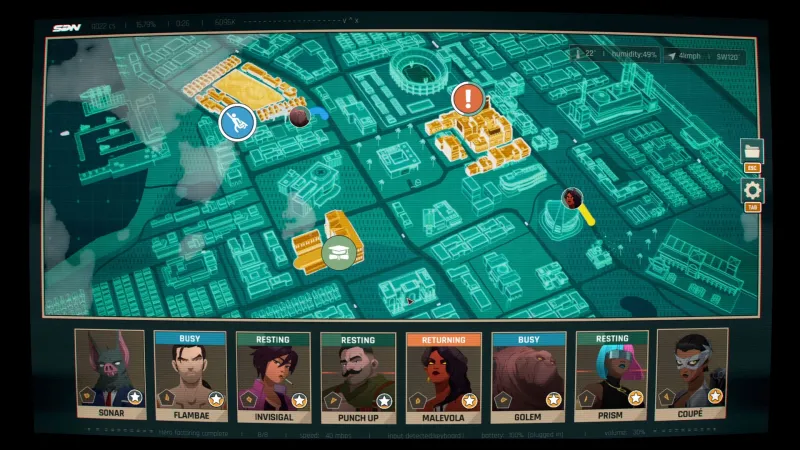
The main gameplay diversion is the mission dispatch system, where you send heroes into the field while you manage things from behind a desk. These sequences drop you into a command center view of the city as you’re tasked with juggling bizarre emergencies: rescuing a farmer from a bee attack, tracking down an escaped science experiment, or calming down an enraged kaiju. The tasks sound straightforward, but their challenge lies in their inherent vagueness; I never quite knew the danger level of each mission or the ideal team size to send. That uncertainty pushes you to constantly gamble with the team. Do you send fewer heroes and risk failing the task, or overcommit resources and face the threat of being short-staffed later? The system is a little messy, but perfectly captures the feeling of being stuck behind a desk while all the action happens elsewhere. Like my love life in college, it’s all strategy, no field time.
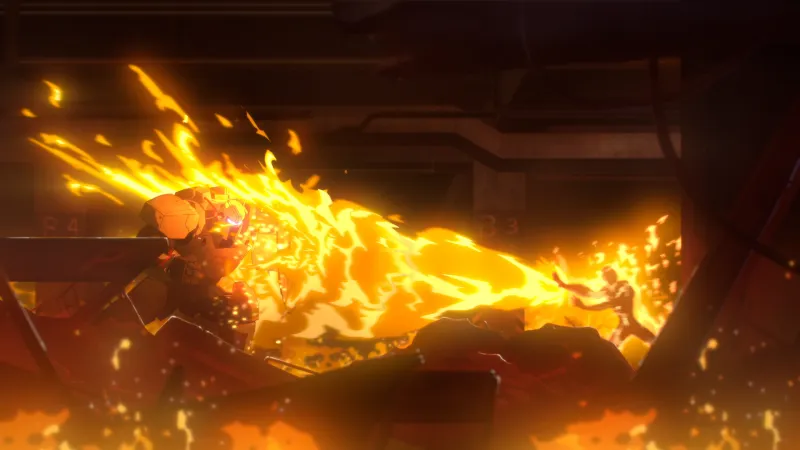
Dispatch isn’t a triumph of mechanical innovation. It doesn’t reinvent the narrative adventure game, but it doesn’t pretend to. On the other hand, it delivers one of the most compelling interactive dramas in years, an adult animated superhero story with the emotional punch of prestige television and a script that truly shines. I didn’t want to stop playing just because I needed to know what happened next; I kept playing because I cared who it was happening to.

Score: 9
Update: Red Dead Redemption Is Coming To PS5, Xbox Series X/S, Switch 2, and Mobile Next Month With Free Upgrade Paths

Update, 11/13/25, 2:16 p.m. ET
Earlier today, iOS and Android listings for a Red Dead Redemption mobile port were spotted on app stores, with word that the game would be available as a Netflix game next month, meaning you need a Netflix membership to play. Now, Rockstar Games has cleared the airwaves to announce that Red Dead Redemption is actually coming to PlayStation 5, Xbox Series X/S, Nintendo Switch 2, mobile iOS and Android devices, and as a mobile game via Netflix.
It's coming to all of these platforms on December 2.
On PS5 and Xbox Series X/S, Red Dead Redemption will run at 60 FPS with enhanced image quality, HDR support, and resolutions up to 4K. On Switch 2, the game will support 60 FPS gameplay at "high resolution" and DLSS, HDR, and mouse controls.
Current owners of the PS4, Switch, or digital backward compatible version of Red Dead Redemption on Xbox One can upgrade digitally for free, Rockstar says, and on PlayStation and Switch, you can pick right back up on your in-progress save. Rockstar says these new console versions were created in collaboration with Double Eleven and Cast Iron Games, and that Red Dead Redemption will be available in the GTA+ Games Library and the PlayStation Plus Catalog on December 2.
The original story continues below...
Original story, 11/13/25, 11:45 a.m. ET
Despite a recent ESRB rating for Red Dead Redemption on PlayStation 5, Xbox Series X/S, and Switch, the Rockstar Games-developed Western's next platform for play will be Netflix. That's according to new iOS and Android store listings that display Red Dead Redemption at Netflix games available starting next month, on December 4.
Because it's a mobile port of Red Dead Redemption available to play on Netflix, you will need a Netflix membership to try it out. The base game will be available in this mobile port as will its zombie apocalypse DLC, Undead Nightmare.
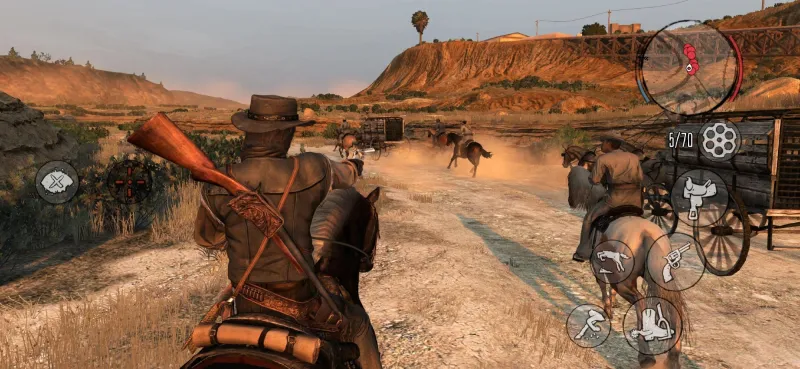
"When federal agents threaten his family, former outlaw John Marston is forced to hunt down the gang of criminals he once called friends," the app store's description reads. "Experience Marston's journey across the sprawling expanses of the American West and Mexico as he fights to bury his blood-stained past in the critically acclaimed predecessor to the 2018 blockbuster, Red Dead Redemption 2."
Though the game is a mobile port, it actually looks pretty decent, probably the result of the original game launching back in 2010.
It's currently available on those launch platforms – PlayStation 3 and Xbox 360 – and you can also play it on PlayStation 4, Xbox Series X/S (via backwards compatibility), Switch, and PC. Following a recent ESRB rating for the game on PS5, Xbox Series X/S, and Switch 2, spotted by Wario64 on Bluesky, fans expected an announcement for those platforms soon. However, it seems Netflix is next up as the new place to play Red Dead Redemption.
Red Dead Redemption is coming to iOS and Android on December 4.
In the meantime, read Game Informer's reviews of Red Dead Redemption and Red Dead Redemption II.
Are you going to try out Red Dead Redemption on your phone? Let us know in the comments below!