Reading List
The most recent articles from a list of feeds I subscribe to.
Damon And Baby Preview – Baby On Board
Platform:
PlayStation 5, PlayStation 4, Switch, PC
Publisher:
Arc System Works
Developer:
Arc System Works
Release:
2026 (PlayStation 5,
PlayStation 4,
PC), TBA (Switch)
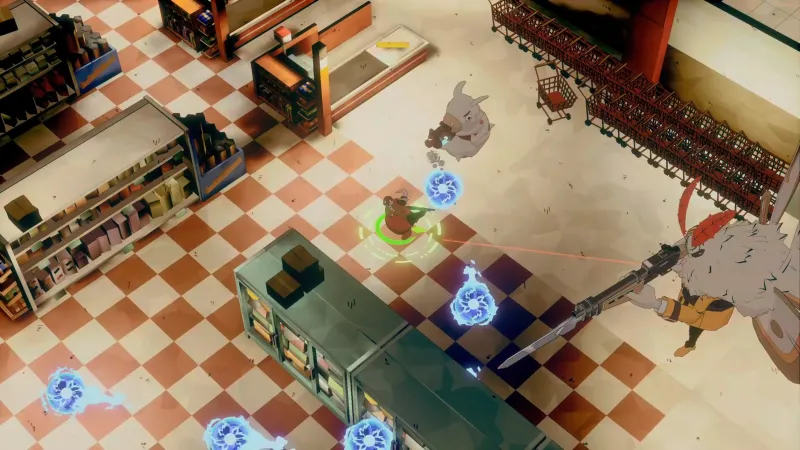
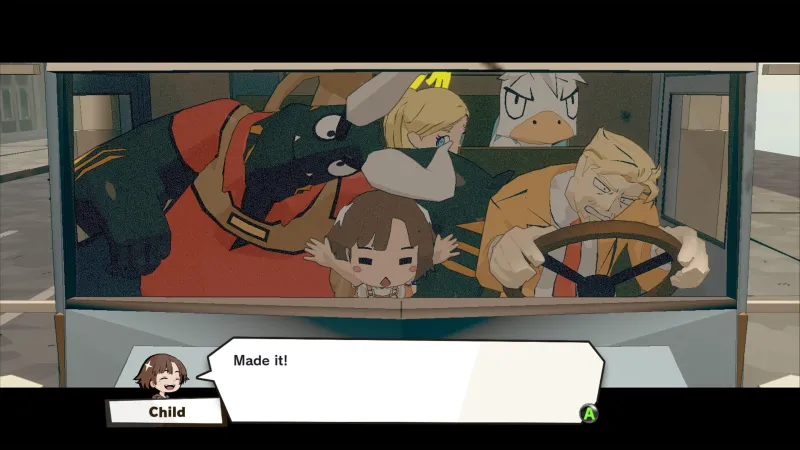
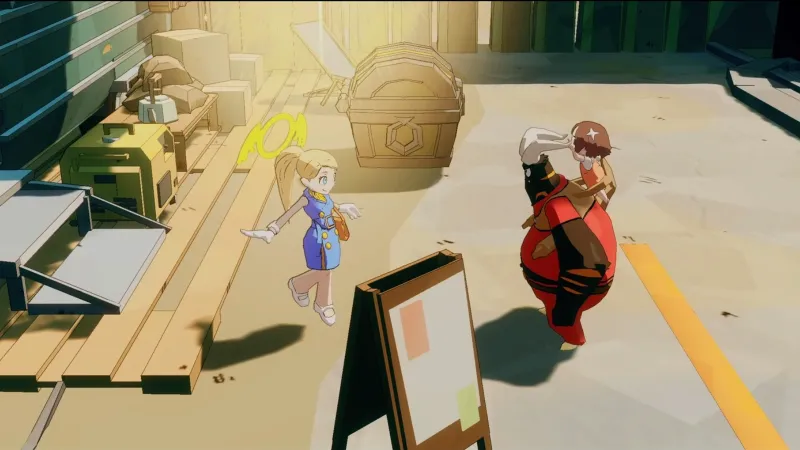
Damon and Baby became a pleasant surprise when I visited Arc System Works while in Los Angeles for The Game Awards. While the studio is known for fighting games like Guilty Gear, Dragon Ball FighterZ, and the upcoming Marvel Tōkon: Fighting Souls, Damon and Baby is an isometric twin-stick shooter starring the comedic pairing of a demon and his barely functional infant partner. Like chocolate and peanut butter, this unlikely partnership appears silly enough to work.
As you’d expect, Damon does all of the heavy lifting on the gameplay side. Wielding firearms like handguns, assault rifles, shotguns, and more, blasting through hordes of demonic foes is good fun. You can swap between several weapon types instantly, and each gun has several stat variations to add an element of strategic thought to your loadouts. Enemies respond by unleashing bullet hell-style projectile waves Damon can roll away from or leap over; combined with the decent environmental destructability, battles are good, chaotic fun.
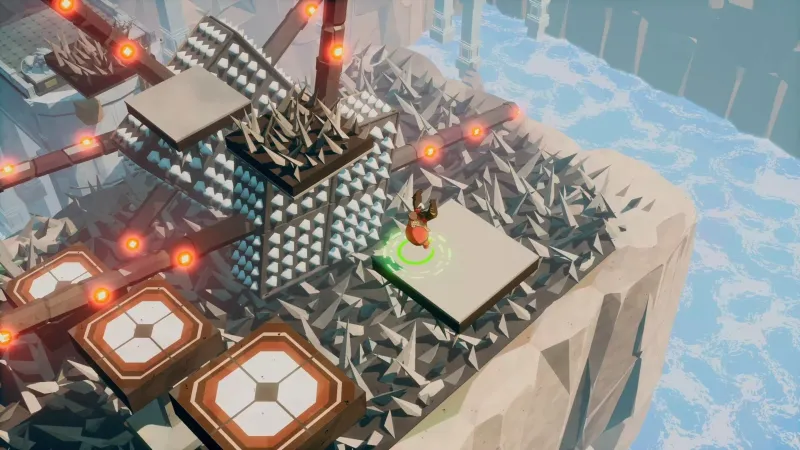
I spent the bulk of my demo fighting through a multi-story mansion searching for a way to free its captured lord, who was locked away in a room. This became an unexpected but enjoyable exercise of locating keys to access different floors and rooms of the house. I even collected memos I later used to solve a combination lock barring access to a new section. I like this element of puzzle-solving, as I expected a purely action-focused experience. Although Damon can use a double-jump to leap across platforms, traversing larger gaps requires a funny solution; carelessly hurling the baby to the other side, which instantly warps Damon right to her due to their demonic bond.
The supernatural threats infesting this mansion largely took the form of possessed objects, such as furniture, so every visit to a new room devolved into a chaotic poltergeist ambush. In all the ruckus, I mainly tried to avoid shattering glass display cases housing little dolls. Breaking these containers brings the toy to life, causing it to sprout daddy long-legs-like limbs in a delightfully creepy touch. I got roughed up pretty good in all the mayhem, but cooking dishes using food and ingredients I gather while exploring heals Damon and can provide other beneficial effects.
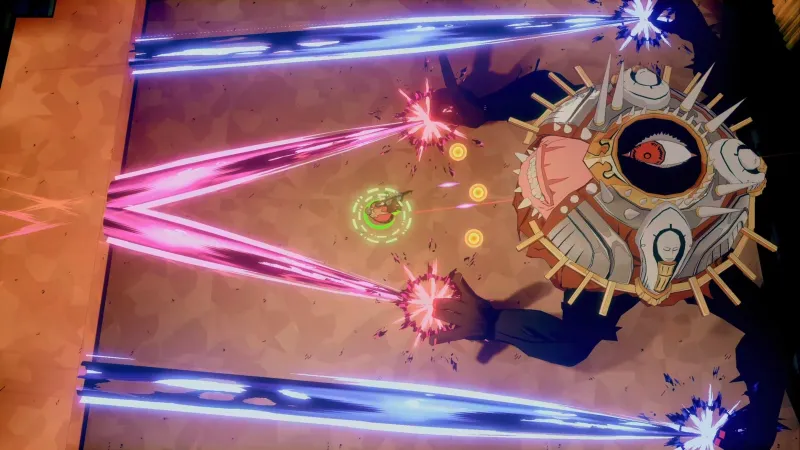
Awaiting me at the end of this romp was a big boss fight in the form of a giant, horned, masked demon. It summoned floating flytrap-like maws I needed to climb atop to reach the necessary height to unleash hell, and shooting these platforms kept their jaws open long enough for me to do so. The battle offered solid fun and rewarded me with the key I needed to free the trapped lord.
Damon and Baby’s colorful presentation and charming humor won me over almost as quickly as the gameplay. The cel-shaded presentation’s light-hearted vibes, combined with the writing, reminded me of how the Disgaea series makes light of demonic lore.
It’s been a good while since I sank into a good twin-stick shooter, and Damon and Baby scratched an itch I didn’t know I had. Its entertaining gameplay and satisfying mayhem gel well with its humorous tone and presentation. I also played Damon and Baby on a Steam Deck, which solidified it as an enjoyable and fitting handheld experience. I wasn’t sure what to make of this unlikely pairing of demon and child, but I’m now looking forward to seeing how their full adventure unfolds sometime next year.
Why You Should Play: Metal Eden
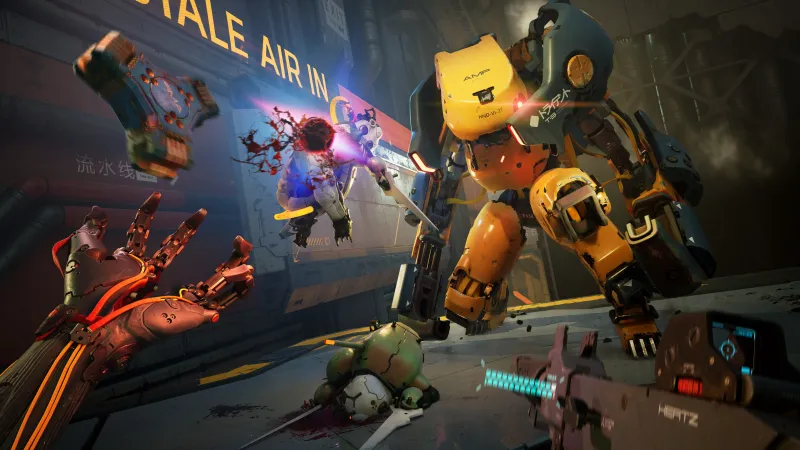
Every time I boot up Steam, my eye catches Metal Eden in my library, and I'm reminded of just how slick of an FPS it is. This cyberpunk adventure is Doom Eternal meets Ghostrunner, and I'm still thinking about it five months after I rolled credits. I fear not enough people have played it, and if you haven't, you should change that.
As the year comes to a close, we're highlighting some personal favorite games from our team that we feel you shouldn't miss. If you're still looking for the right game to carry you into 2026, and you've already hit up our Top 10 Best, we're hoping one of these recommendations will hit the mark.
Moebius is a cyberpunk city on the verge of imminent destruction, courtesy of a time bomb, and only Aska, a special disposable Hyper Unit android, can save it. Fortunately, her computer brain can be implanted over and over again into cybernetic android bodies, which are equipped with grapples, jetpacks, and limbs that allow Aska to dash and wall-run through any environment. Oh, and it lets Aska carry seven guns, ranging from sniper rifles to shotguns and more, that she deftly uses to mow down anything and anyone in her way. Her journey to defeat Moebius's massive Engineers, which hold the Cores she desperately needs to save the city, will take you through derelict factories, deserts, mining facilities, and into myriad arenas for some of the best first-person gunplay of 2025.
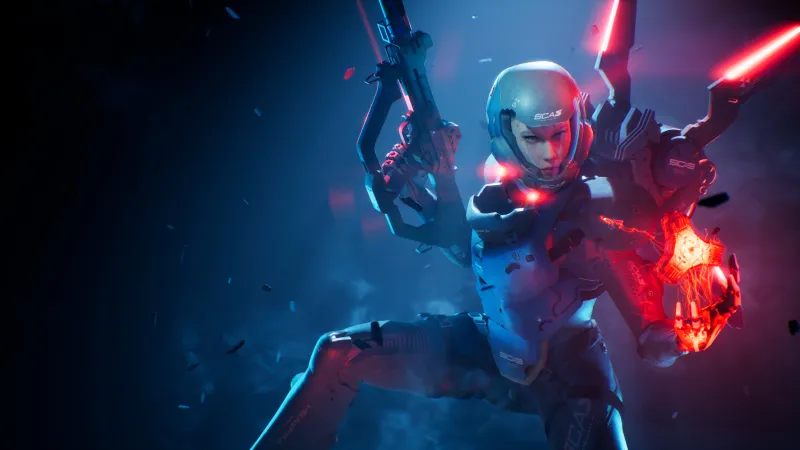
Metal Eden wears its Doom Eternal inspiration on its sleeve, turning wave-based arenas into coliseums of destruction, lest you stop moving. Using her jetpack, turbo boosts, ammo, armor, and health pickups scattered around the arena, you'll need to hold your breath and shoot everything in the room – it all wants to kill you, after all. Pause for a second, and it could spell certain doom. The resulting combat experience is a fast-paced, kinetic, on-the-go shooting gallery that I promise will send adrenaline surging through your veins.
That high-speed gunplay elasticity carries over into the Ghostrunner-like runs in between arenas, which task you with keeping momentum as you sprint on walls, grapple up to platforms, and jetpack double jump to safety, all while shooting down enemies that threaten your existence. The reward at the end of a linear run through Moebius' various locales is one of the aforementioned arenas, the perfect zones to try out your latest weapon upgrades.
There's more to Metal Eden, like some Metroid Prime-inspired sections and a voice-in-your-comms that's a bit too present, but ultimately, everything that happens when you aren't pulling the trigger gets in the way. Fortunately, these sections aren't as frequent as the parts of Metal Eden that shine, so rest assured, there's an excellent shootout just minutes away when things feel slow.
For more of my thoughts, read my Metal Eden review here.
The Fallout TV Show’s Second Season Is Slower, But Still Good
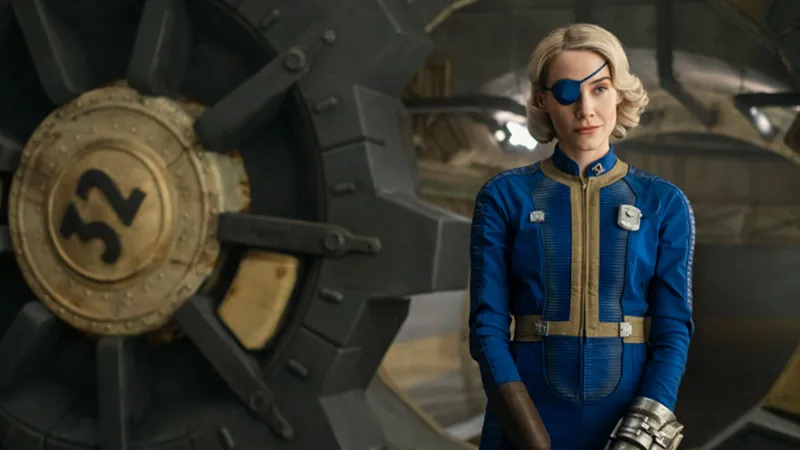
As time goes on, I am comfortable awarding the first season of the Fallout TV show as my favorite video game adaptation. Well, actually, that honor still belongs to the 2021 Josh Ruben horror comedy Werewolves Within, but that movie is more technically based on a video game than it is an adaptation of beloved interactive media.
Fallout has the much more difficult challenge of taking a well-known, well-liked, and dense video game universe that has existed since 1997 and condensing it down so anyone can enjoy it. But it also has to serve longtime fans of the franchise. And it also has to be interesting. And it has to be funny, too. And canon. The fact that season one worked as well as it did is a bit of a miracle.
I wanted more when I made it to the end of season one so I have been looking forward to the follow-up. I have watched the first six episodes and the short version of my review is that I (so far) have not enjoyed it as much as season one. But, I still quickly started each consecutive episode and will eagerly tune in when the final two episodes are available to stream. A (so far) weaker season of a good show, is still part of a good show.
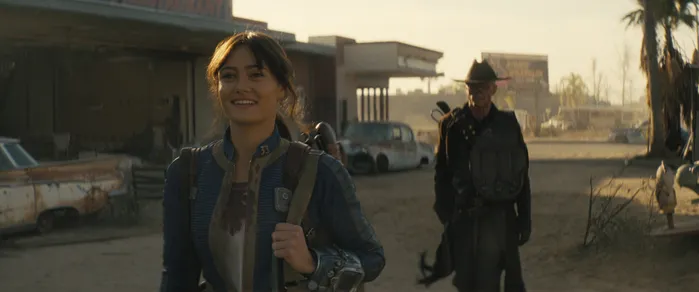
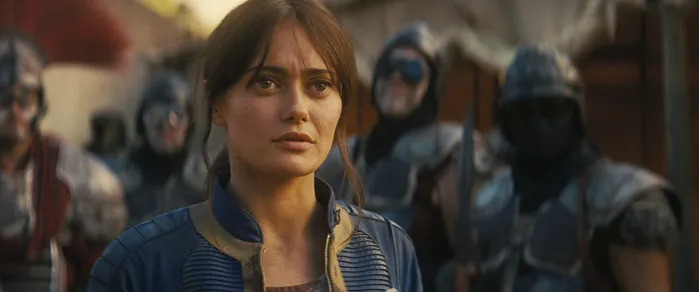
Season two picks up where season one left off with Lucy (Ella Purnell) and The Ghoul (Walton Goggins) looking for Lucy’s dad (Kyle MachLachlan) who is hanging out in New Vegas where new-to-the-show character, Robert House (Justin Theroux) set up his empire. Maximus (Aaron Moten) is back with his Brotherhood again, but now as a celebrity, and Lucy’s home vault is still struggling and being weird as hell. And all the while my favorite character, Thaddeus (Johnny Pemberton), is off doing something unexpected.
Where Fallout season two loses me slightly, in comparison to the first season, is its pacing. In the first six episodes, not much wholly new or exciting happens. The show is already slated for a third season, which means there is room to set the table, potentially for years to come, and I am feeling that here. Lucy and The Ghoul progress and have fun moments, but don’t make much headway. Maximus is grappling with his morals and deciding if he still believes in the teachings of The Brotherhood, but doesn’t make many big moves. And Robert House has a secret plan of some kind that involves Lucy’s dad, but it’s frustratingly opaque rather than being mysterious and compelling.
With that said, however, all the aesthetic and tone elements established with the first season are all here. Lucy is charming and motivated, and becoming increasingly less naive. The Ghoul is no stranger to violence and has no problem enacting it in creative ways. The Brotherhood and everything it stands for continues to be a fascinating organization and Moten’s sympathetic and confused portrayal of Maximus is still endearing. And Thaddeus makes me laugh with just about everything he says, which leads me to arguably the reason Fallout is still my favorite video game adaptation: it’s funny.
Fallout’s world is dark and scary, but it is also absolutely absurd. Comedians primarily make up the secondary cast, and no one acknowledges how ridiculous their reality is, which makes it enjoyable television.
I wish the pacing was stronger for season two, but there is no reason not to recommend it. I suspect that with its patient table setting in the first six episodes, the final two will be exciting conclusions to an otherwise slow start.
Why You Should Play: Silent Hill f
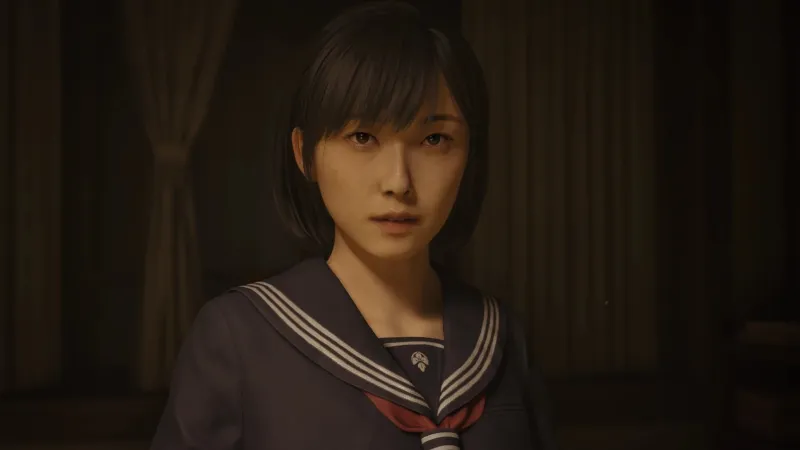
The latest entry in the Konami horror franchise really snuck up on me, and I don’t mean in a jump scare way. In fact, I wouldn’t describe Silent Hill f as overtly scary as much as I would describe it as thoughtfully horrific. Like its predecessors, Silent Hill f is less about making you run away from something terrifying (which it does do that, too) as much as it is about making you face something scary and stare at it, unblinking, while you consider what you did or didn’t do to make it happen.
As the year comes to a close, we're highlighting some personal favorite games from our team that we feel you shouldn't miss. If you're still looking for the right game to carry you into 2026, and you've already hit up our Top 10 Best, we're hoping one of these recommendations will hit the mark.
It takes some time for Silent Hill f protagonist Shimizu Hinako to enter the more thoughtful side of her journey, because the game starts out with monsters and chase scenes through a 1960s Japanese town as your friends remain just out of reach. The action is all very spooky and pretty, but it’s not until you start exploring deeper into Hinako’s mind with the aid of a mysterious man in a fox mask that its hooks started to really sink into me.
Silent Hill f has monsters and fog and it never overtly spells out its larger themes, but the deeper you go, the stronger it gestures toward what Hinako is experiencing internally and how it is affecting her. I admit I never fully understood exactly what was happening (which is what makes it a Silent Hill game, frankly), but understanding her flawed relationship with her parents and how it affects her feelings about the potential of marriage is fascinating. And the abstraction that she willingly puts herself through as a metaphor for marriage is one of the most disturbing sequences I have not only played in a Silent Hill game, but maybe even the wider horror video game genre.
And if that wasn’t enough, the ending I received (which I imagine would be everyone’s first ending) so expertly puts the player in a position of regret that I immediately felt terrible for everything not only Hinako had been through, but also what I had put her through. If you don’t have it in you to play the game, which I would understand, the primary health item you use throughout to heal Hinako is an addictive pill that you have been unwillingly forcing her to abuse, and it has made her violent against her peers and family. It’s the kind of storytelling that only a video game can pull you off: your actions directly created the conflict and you didn’t even realize it.
It’s for all these reasons that Silent Hill f is one of my favorites of the year and handily my second favorite Silent Hill game after Silent Hill 2. Konami has been in a strange place since it jettisoned Hideo Kojima into independent development, but Silent Hill f is a strong reminder that the storied publisher still knows what it is doing. I hope it is ready to tackle Castlevania again next.
The Best Tabletop RPGs Of 2025
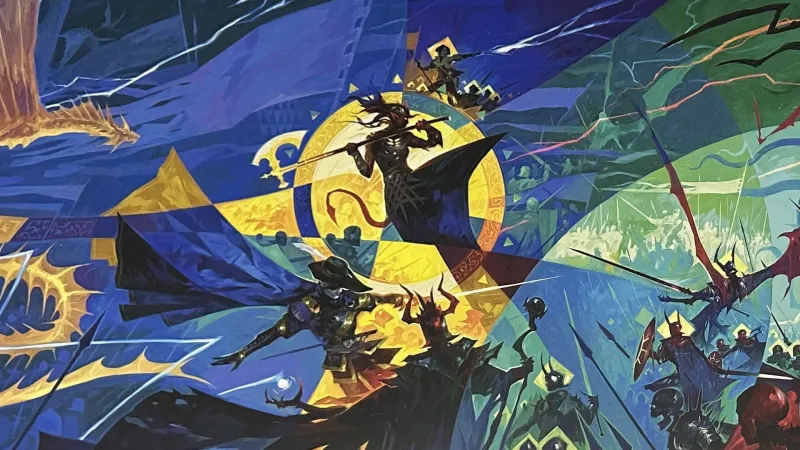
Even as we celebrate some of the best traditional board games of 2025, we also want to offer some accolades for some of the most impressive tabletop role-playing releases of the year. This year’s selections continue to show the broadening scope of the role-playing hobby, with a variety of amazing games competing against mainstay systems that have held audience attention for years.
Check out our alphabetized selection of the Best Tabletop RPGs of 2025, and share some of your favorite role-playing experiences of the year in the comments below.

Cohors Cthulhu: Player’s Guide
Love the vibe of cosmic horror, but ready for a break from the familiar early 20th-century period melodrama? Cohors Cthulhu sends your role-playing group back to the 2nd-century Roman Empire, complete with all the trappings of imperial might and varied cultures colliding that you’d expect during that time period. But unlike in the real world, this is Known World beset by old and unknowable gods and the malign schemes of their followers.
Cohors Cthulhu leverages Modiphius’ now well-established 2d20 game system to significant effect. After multiple successful games, the designers have hit their stride in adapting elements to new settings and situations. In brief, players apply both an attribute and any skill test, leading to a combined target number that the character must roll under. Success in your endeavors leads to Momentum, which can be used to add additional dice to a pool when you roll to get additional successes. In short, it’s intuitive, fun, and always helps your characters' unique features stand out in conflicts.
The system nails a unique vibe by embracing the many historical cultures and locations at hand, and then asking the characters from those places to deal with the likes of magic and otherworldly terror. Even without the Lovecraftian elements, this is an excellent way to delve into an Imperial Roman story. Add in those elements of nascent horror, and it becomes something really special.
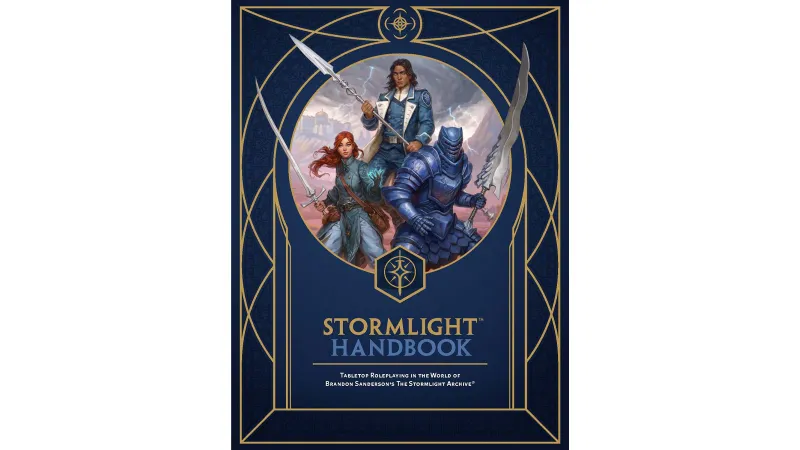
Cosmere RPG: Stormlight Handbook
Brandon Sanderson’s novels have felt overdue for the RPG treatment for some time; I’m confident many home gaming groups have likely house-ruled their own versions of his settings into familiar existing systems. Brotherwise Games has partnered with Sanderson to bring out an official game that embraces the broad scope of worlds in the author’s Cosmere. The first to get the complete treatment is this take on the Stormlight Archive, but we can expect more to follow.
After a long wait to see how it all came together, the resulting system does a stellar job of capitalizing on the unique magic systems, lore, and factions that make the Stormlight books so compelling. You can take on the role of a Knight Radiant, partner with your own Spren, and do battle to halt the Desolation. For longtime fans, one of the biggest draws is the way the book offers in-canon exploration of the world of Roshar, fleshing out what you already gleaned from the novels.
Mechanically, the Cosmere RPG keeps its core systems relatively close to RPG staples like d20 rolls to determine success, but layers in several additional elements that enrich the experience. The d6 Plot Die comes out to “raise the stakes” in clutch moments. Opportunities and Complications add nuance to the results of rolls. And, of course, your characters gain access to Surges just like the characters in the books, allowing them to complete remarkable feats that play with the fundamental forces of nature around them, which adds a ton of excitement.
It's a rich and detailed system that should precisely fit the bill for anyone enamored of Sanderson’s fiction. While it might not be the first RPG stop if you’ve never engaged with those stories, it should be great fun for anyone who has longed to experience this world for themselves.
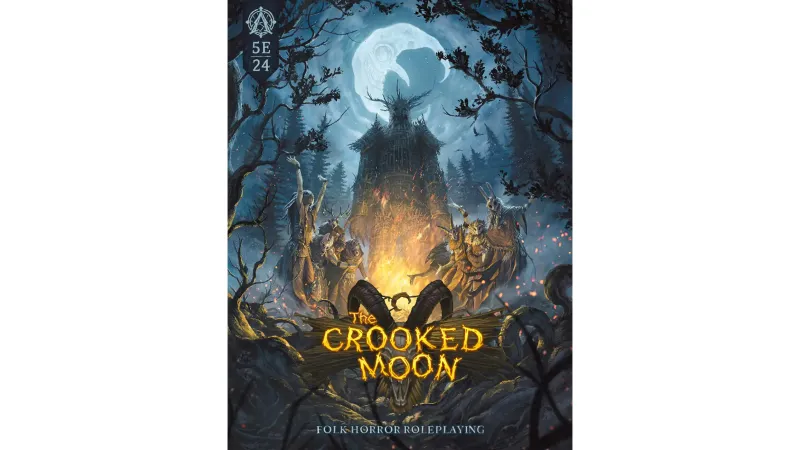
The Crooked Moon
Less a game in its own right and instead an expansion of 5th edition Dungeons & Dragons into a unique setting and style of play, the Crooked Moon garnered much well-deserved praise this year for its brilliant twist on expectation. At well over 600 pages in length, the massive book offers everything you might wish to discover to transport your D&D adventures into a world of folk horror.
Avantris has taken a comprehensive approach to refreshing D&D, bringing its chilling twist to familiar fantasy archetypes. We get the chance to play monks who spread plague with their touch, jester warlocks, and Frankenstein-esque Barbarians. Instead of elves and dwarves, you can take on the role of scarecrow-like Harvestborn, fierce werewolf Curseborn, or ghoulish Graveborn. The Crooked Moon also layers in an innovative fateweaving system that aims to connect the main campaign narrative back to individual character backstories.
While The Crooked Moon is a complete setting in its own right, the book also includes a huge 350-page adventure that takes full advantage of the quirks and oddities of the setting the designers have built.
Many play groups are hesitant to abandon the familiarity of D&D rules, but are eager to try something that dramatically changes the surrounding trappings. That’s precisely what you get with The Crooked Moon, offering a thrilling excursion into stories of darkness and folklore.
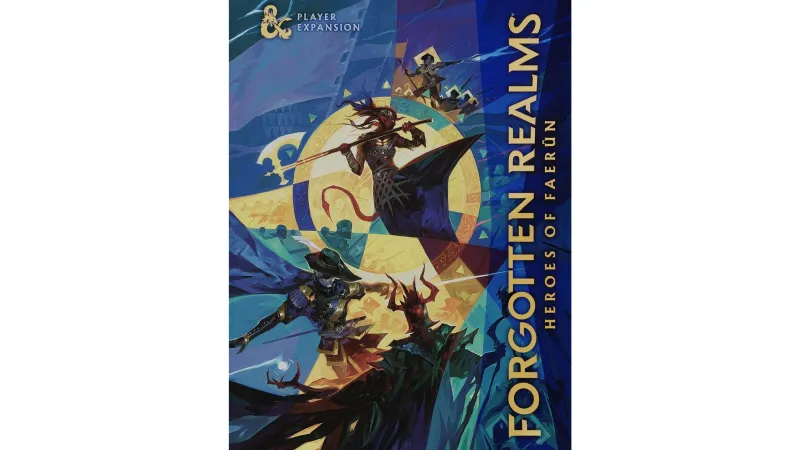
D&D Forgotten Realms: Heroes of Faerûn
The Forgotten Realms has long been the default setting for D&D adventures, but it’s been some time since we had a dedicated release that expands and highlights the setting in its own right. Alongside its DM-targeted Adventures in Faerûn release, the new player-centric Heroes of Faerûn is a treasure trove of details to flesh out a character and campaign, notable for its smart organization, clean presentation, and top-tier fantasy art.
Players get new subclasses, feats, and equipment. Lore enthusiasts can delve into the many deities of the Realms, learn about ancient, forgotten empires, and investigate wares and equipment unique to specific regions. And if you’re looking to really go down the well of a deep narrative dive, you can join (or do battle against) one of the many complex factions that have risen to prominence over the life of the setting, each detailed with extensive sections on bringing them into gameplay.
We also get a slick new approach to group casting under the banner of circle magic, letting players work together to cast empowered spells that go beyond what any spellcaster can do alone, which can lead to some great role-playing moments.
All in all, it’s a substantial addition to the game and a robust mix of options to follow up on last year’s revised Player’s Handbook. If you’re looking to tell epic tales with larger-than-life high-fantasy characters, there’s a reason the Forgotten Realms has maintained its primacy for so long.

Daggerheart
One of the biggest stories in RPG circles this year has been the Critical Role team’s move to expand into an original game system that caters strongly to the narrative play style its streams are best known for modeling. After long anticipation, that system was released to the public this year. By most any measure, Daggerheart hits the mark, with some clever innovations that encourage thoughtful role-playing, fun character interactions, and exciting conflicts to play out at the table.
The core of Daggerheart is built around an innovative system of Hope and Fear, manifesting as individual twelve-sided dice rolled during encounters. A higher roll on the Hope die provides future benefits for the player to leverage in upcoming situations, while a higher roll on the Fear die gives the GM tools to complicate the lives of the heroes. In essence, both Hope and Fear are currencies that may be spent to advance the game. This mechanical system also has obvious narrative consequences, helping everyone in the scene describe and advance what’s happening. Players will also sense an especially impactful difference as they progress through levels, as higher-tier play helps your characters really become beastly powerhouses that can mow through low-level foes.
Daggerheart encourages many features to be handled in a freeform or more abstract way, from combat initiative to the acquisition of treasure. That seems very purposeful, putting the focus instead on big-picture character moments, memorable villain encounters, and inter-party dialogue. The game demands a high level of trust between the GM and players, and for that reason, I think it’s especially well-suited to experienced friend groups who have played together for a long time. If that’s you, Daggerheart is a really thrilling twist on expectation, and an impressive addition to the expanding world of RPG systems.

Draw Steel: Heroes
If your play group is especially interested in the tactical combat side of RPG play, Draw Steel is the new game you should be considering. While narrative depth and storytelling are certainly options, Draw Steel is chiefly a game focused on battles against monsters, and making that experience as rewarding as possible.
Base-level characters in Draw Steel already feel like powerful heroes in their own right, ready to take on major challenges. The action is purposefully built around cinematic descriptions of epic throwdowns. The rules support that approach through a tiered understanding of outcomes based on the final value of your roll – each ability you use has flavorful and descriptive outcomes depending on where the numbers fall. In an interesting twist on expectations, players build power and capability over the course of a hard-fought battle (rather than diminish as they take damage), creating opportunities for big, flashy, heroic moments that turn the tide of a conflict.
As a game, Draw Steel requires the two-book set of Heroes and Villains. The Heroes book highlights everything players need, but the Director (GM) should also plan to snag a copy of Monsters to complete the set. It’s a game that pretty much demands a grid map, measuring distances, and all the other trappings of classic tactical table play. If those kinds of encounters are the place you see your table group come alive, give it a close look.
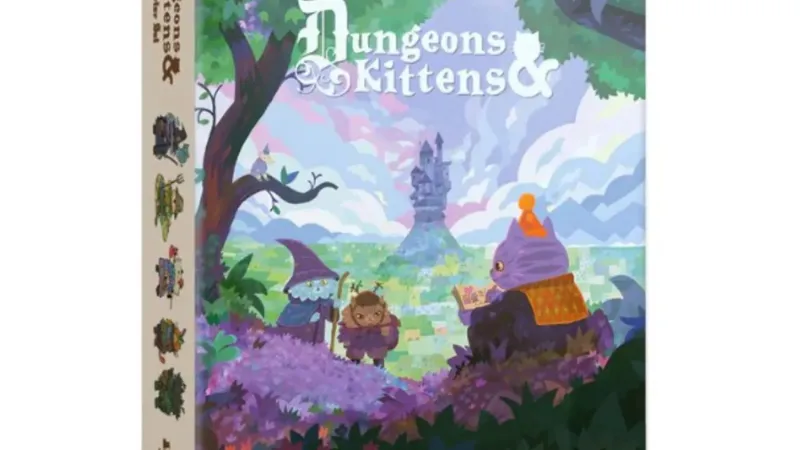
Dungeons & Kittens: Starter Set
Whether you’re bringing someone new or younger into the RPG fold, or you’re just looking for something a bit lighter and more whimsical to bring to the table, Dungeons & Kittens is a stellar choice to consider.
Dungeons & Kittens sees the party take on the role of kittens who have been exiled from the kingdom of cats, set in a post-apocalyptic world where nature has reclaimed the world after the disappearance of humans. Players collaborate to solve conflicts, confront challenges, and move through brief stories – full sessions can be as short as an hour. In case you’re still not grasping the tone at play here, the characters have access to spells of Meowgic.
Character creation and skill checks are approachable and straightforward, and the overall system is extremely rules-light. In fact, the Starter Set itself is played chiefly through narrative-focused books that let the Storyteller (the GM) carry new players directly into the action with little prep. While there’s not enough meat on the bone here to support a lengthy campaign with your longtime gaming group, it is instead an incredibly inviting option if the players coming to join want a gentle and welcoming gateway into what makes RPGs so fun and funny.
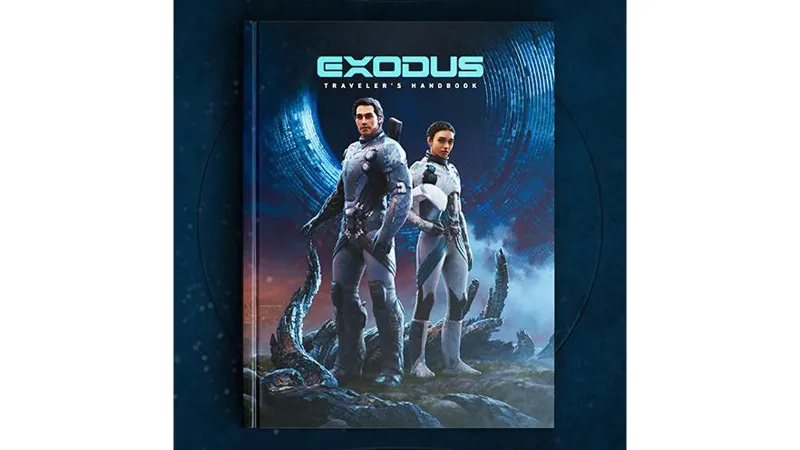
Exodus: Traveler’s Handbook
With an impressive legacy of RPG developers working hard on its creation, Exodus is one of the most anticipated video game RPGs on the horizon. But many may have missed that there’s already a tantalizing opportunity to dig into that universe through the available tabletop RPG.
In most of the ways that matter, the Exodus TTRPG is a sci-fi D&D system, using the same base rules system, but with unique classes, gear, and other systems to introduce a fascinating universe set in humanity’s distant future.
Players control a Traveler, hunting down lost remnants of ancient technology that will let you confront the Celestials – titanically powerful beings that are the distant, distant descendants of ancient humans, having evolved into something entirely new. As a core storytelling and gameplay mechanic, Exodus plays with the time-dilation effect inherent to fast travel across the stars, creating fascinating interactions for players to explore at the table. If you want to stick with familiar mechanics, but branch into a futuristic setting, while also getting a glimpse at this upcoming video game’s world, it’s worth tracking down the Traveler’s Handbook.

Legend in the Mist
Billing itself as a “Rustic Fantasy RPG,” Legend in the Mist casts players as ordinary villagers in a land of untamed wilderness and dangers lurking beyond the safety of your settlement, and the need to set forth and uncover the mysteries of what is happening in the world beyond the reach of local cookfires.
The focus of play is narrative descriptors and situational shifts that affect the way any given conflict or situation might resolve. Dice rolls get modified by factors like whether it’s raining heavily, if you’re tired from a long journey, or if your character has an uncanny sense of direction.
In play, everything feels like it’s aiming to be like a story told around the fire, with a strong collaborative focus between players and GM, and an in-built goal of layering a broader narrative with discrete character arcs that create dynamic growth over time for everyone.
Legend in the Mist was released this year, but only in digital format; the physical book versions are due next year. But even digitally, the art and production values are through the roof, with an evocative and emotional character art style leading the way. If you’re looking for a departure into rich storytelling for your experienced group of role-players, this one is a winner.
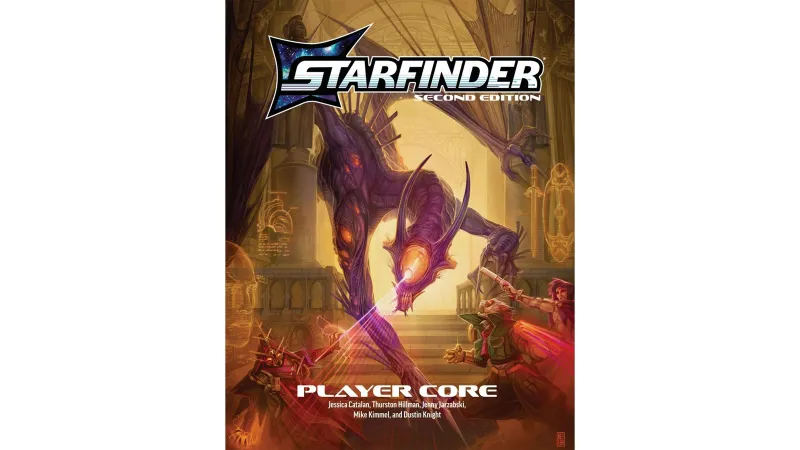
Starfinder 2E: Player Core
After successfully transitioning to Pathfinder’s new edition in its fantasy game, Paizo has brought many of the same lessons over into its science fiction game. The new 2nd edition retains much of what made the original so compelling, but smooths over rough edges and simply makes the game more fun to sit down and play.
The new Player Core book is a massive tome, offering more than 450 pages filled with great art and extensive play rules. Hundreds of pages and forum posts have been written about the distinctions between Paizo and Wizards of the Coast’s approach to rules design. But it’s enough to know that this new edition of Starfinder offers an exceptionally robust and flexible system that encourages experimentation, both in character creation and progression, and also in crafting adventures and campaigns on the GM side.
The new Player Core book moves some things over into other releases, including starship combat, and not every class and race from the earlier edition is present in this first release. But if you’ve been waiting to try out this glorious mix of laser rifles and lightning bolt spells, this new edition is an easy recommendation.