Reading List
The most recent articles from a list of feeds I subscribe to.
PlayStation Shuts Down Bluepoint Games, Makers Of Demon's Souls And Shadow Of The Colossus Remakes
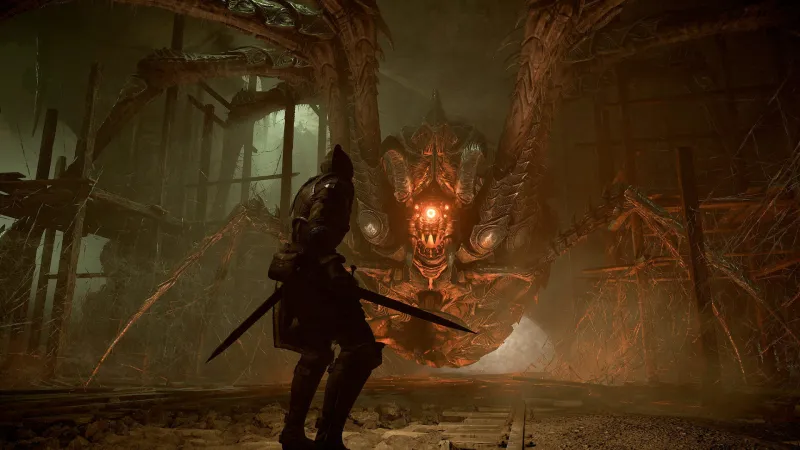
Bluepoint Games, one of several studios under PlayStation's umbrella of developers, is being shut down by its parent company, according to a report from Bloomberg. The closure means roughly 70 employees will lose their jobs. The studio was best known for remaking games like Demon's Souls and Shadow of the Colossus, and supporting work at other PlayStation studios.
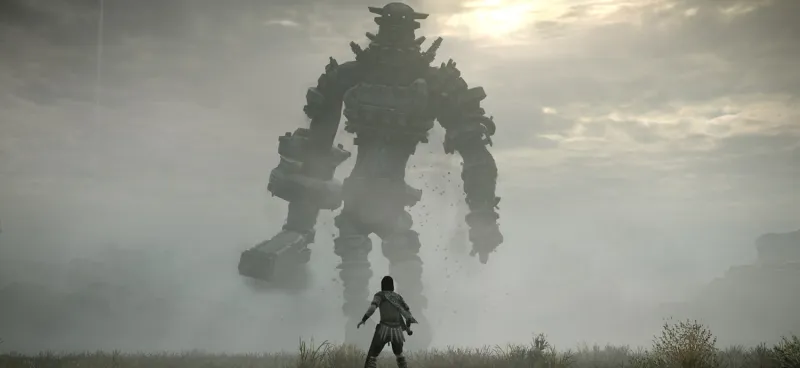
"Bluepoint Games is an incredibly talented team and their technical expertise has delivered exceptional experiences for the PlayStation community," a PlayStation spokesperson said in a statement received by Bloomberg. “We thank them for their passion, creativity and craftmanship."
Bloomberg writes that the spokesperson also said the closure was due to "a recent business review." The most recent news out of the studio was that it was working on a live-service game in the God of War universe, but that it was canceled before ever being revealed publicly.
The news is shocking, largely due to Bluepoint's high-quality track record. The studio was founded in 2006, but wasn't acquired by PlayStation until 2021. Demon's Souls, the studio's most recent project, is a remake of the game of the same name that launched alongside the PS5. We gave it a 9.25 at the time, calling it a "delightful treat." Bluepoint also assisted in the development of God of War Ragnarök, which we gave a 9.5 and lauded as our second favorite game of 2022.
[Source: Bloomberg]
Arkheron Preview – A Promising Battle Royale (No, Seriously)
Platform:
PC
Publisher:
Bonfire Studios, Drimage
Developer:
Bonfire Studios
Rating:
Teen
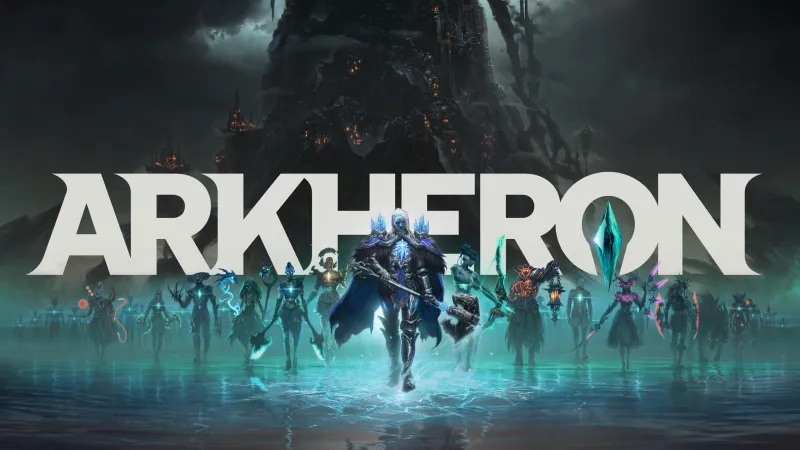
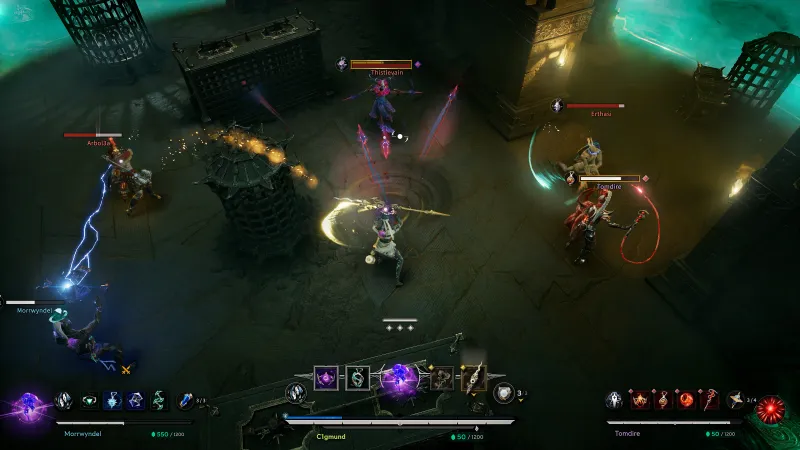
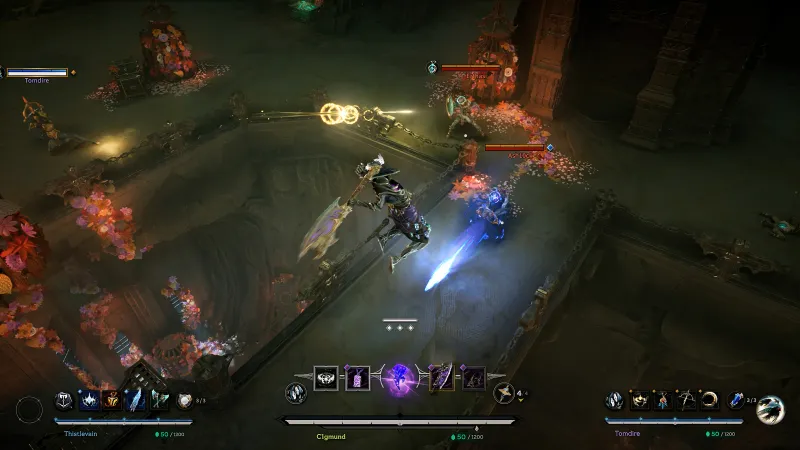
Arkheron is a battle royale – stay with me – but that’s the least interesting aspect of it. It is also an isometric PvP action game that feels like a shooter with Hades-like elements. I know this is a barrage of fancy keywords and descriptors, and the honest truth is that Arkheron is such a unique mix of mechanics that it feels easiest to introduce it like that. Developed by Bonfire Studios and set to launch this year, Arkheron puts 15 teams of three players against each other in a dark fantasy tower. The winner is the last team standing on the top floor of this foreboding tower, and though I struggled to even reach that final floor in my two-hour hands-on digital preview, I’m looking forward to hopping into the game’s demo (that goes live tomorrow as part of the February Steam Next Fest).
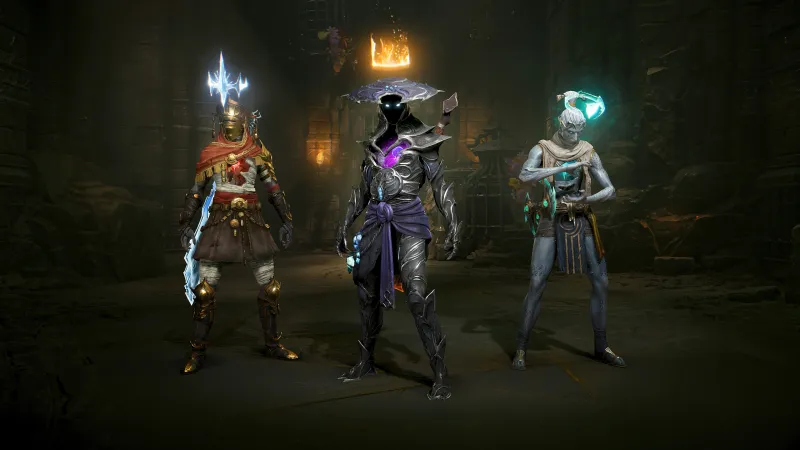
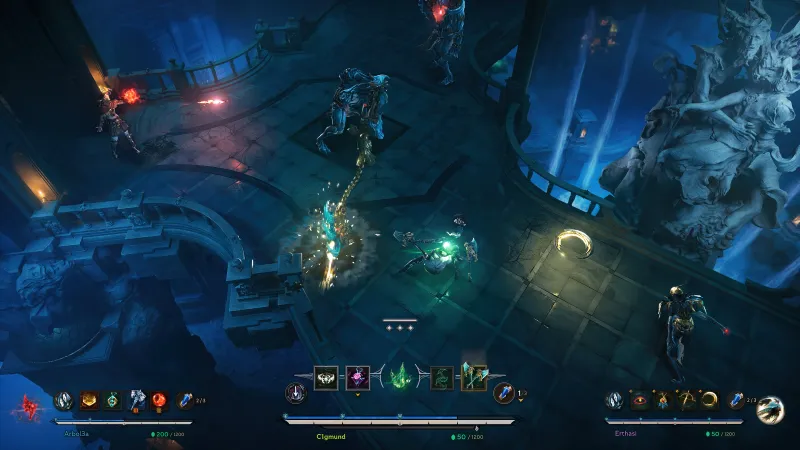
There is a lore to the world of Arkheron, but admittedly, it’s not what you should play the game for – you just need to know that you control a mystical avatar (that can be customized with various options) who uses the weapons and gear of Eternals, god-like beings whose loot you have access to as you climb the aforementioned tower. Though Bonfire Studios’ leadership remained mum when asked about post-launch progression, seasonal updates, and the like during a Q/A roundtable, Arkheron will feature a rotating 10 Eternals out of the 12 in the game when it launches later this year. That’s important because each of the Eternals utilizes different types of weapons, from ranged to mid-range to up-close melee, and other pieces of gear like amulets and crowns that feature stat-boosting benefits (and when you use two or more pieces of loot from the same Eternal, you receive a game-changing set bonus, encouraging you to seek out matching gear).
As different Eternal gear sets rotate in and out of Arkheron’s live mix of loot, which is found within chests scattered throughout the tower’s various dungeon-esque floors and dropped by the AI-controlled mob enemies you encounter, so, too, will your tactics to come out on top. I like that this rotation of gear means no meta will last forever, and that experimentation is somewhat forcefully encouraged. While set bonuses don’t extend or expand beyond what you receive when equipping two pieces of Eternal-specific loot, kitting out your avatar with a complete Eternals set – so four pieces – will allow you to unleash an ultimate-like ability that transforms you into that Eternal with increased damage, health, and more.
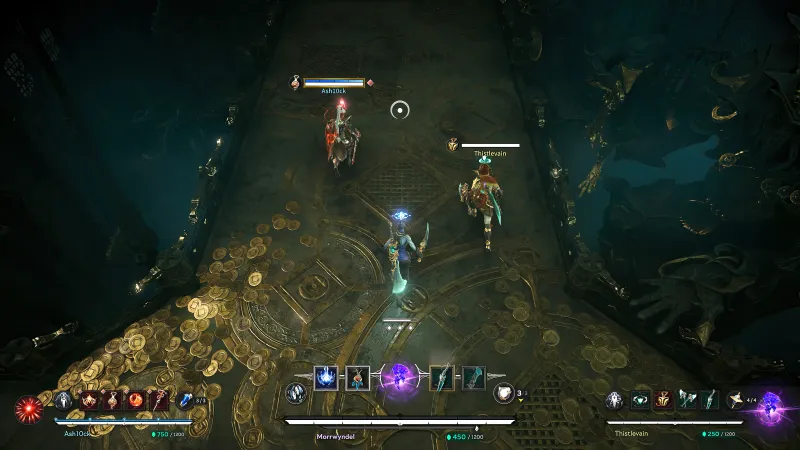
Arkheron does a great job of encouraging you and your teammates to look out for each other, as marking beneficial gear someone else in your trio needs is easy. Plus, if a teammate stumbles upon a piece of equipment someone on their team already has, they can interact with it to upgrade that teammate’s item, like a sword, to the next tier of rarity and power. It’s a nice step beyond the typical battle royale formula, where you simply call out enticing loot, yielding to everyone in the trio the ability to enhance a teammate’s prowess in combat.
Though the viewpoint is isometric, the camera actually rotates around your character, meaning your on-screen reticle feels less like targeting an enemy in Diablo and more like a third-person shooter. Your attacks go where the reticle is, though you’ll need to account for the range of your attacks and abilities. I thoroughly enjoyed this approach to combat, as it turns what appears to be bog-standard PvP action combat into something a bit sweatier, like a third- or first-person shooter. Once the action against another player begins, mashing buttons will likely get you nowhere, especially when it’s time to move up to the next floor. To do this, you must enter a circular room of sorts and survive until it teleports you up; however, only one team gets to advance per circular room, so moving to the next floor up means a chaotic but strategic dance against another trio.
With the walls closing in on you via a magical storm of sorts, and environmental hazards including giant worm-like demon beings, what starts as a 3v3 fight quickly grows into something that requires immense teamwork. The winning trio is the one that uses all abilities, attacks, and positioning to their best advantage, ignoring the instinctive urge to mash buttons when things get hectic.
Two hours is not enough time to gauge the impact that yet another battle royale, however unique, will make in an already crowded genre. But, it is enough to tell you that, as someone who can easily blow off new entries to the overstuffed field, I will not be doing that with Arkheron. It feels different in a sea of battle royales (usually shooters), taking the aesthetics of something like Diablo, mixing it with the run-based looting of Hades, and adding in 44 other players to create an explosive spin on PvP.
I Can’t In Good Conscience Recommend The Virtual Boy Switch Package – But I Love That It Exists
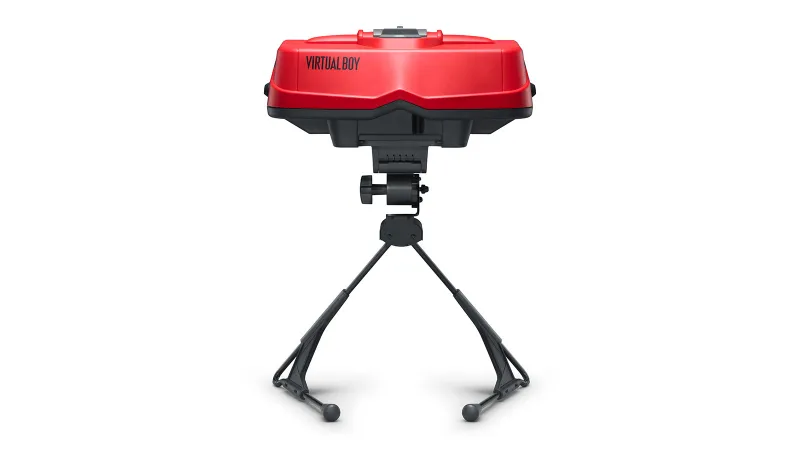
I have long been obsessed with the Virtual Boy. I have a vivid memory of seeing the device on display, which I believed was a portent of the future, at my local Sears when I was young. I was too short to see into the headset properly, but I desperately wanted to experience what could only be the future of video games. A few months later, it was as if it never existed. I never got to try it, and Nintendo, a company with an impressively short list of outright failures on its track record, was eager to pretend it never existed.
The first hint that Nintendo was beginning to feel slightly less embarrassed about the Virtual Boy arrived in 2014’s Tomodachi Life for 3DS, where one of the game’s bizarre dream sequences featured Miis dancing around a Virtual Boy. It was the first sign since the Virtual Boy launch that Nintendo was, potentially, willing to acknowledge its most embarrassing product, but I never would have predicted it would lead to what is ostensibly a full re-release.
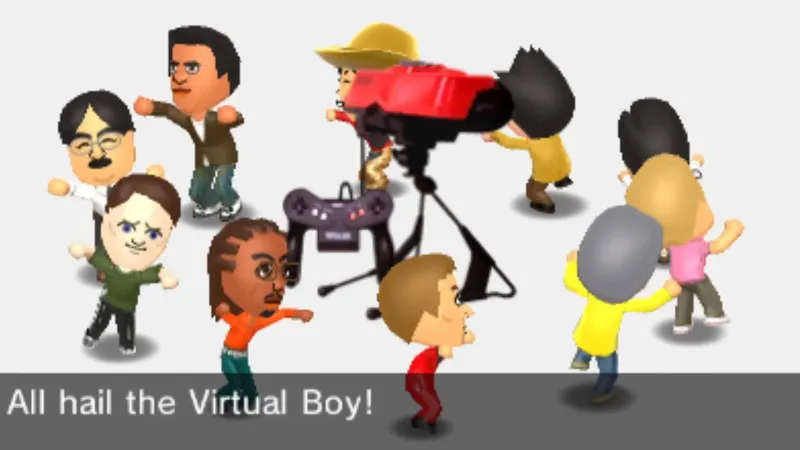 Tomodachi Life (3DS, 2014)
Every few years, I would look at the device’s eBay prices until my wonderful wife decided to save me the trouble of checking periodically and bought me one. I relished the experience of finally getting to play it, awkwardly craning my neck to see what the future of 1995 looked like. I played and beat Virtual Boy Wario Land (and wrote about my experience for Polygon) and put the device away grateful that I got to answer the question of what playing the Virtual Boy was like that had been plaguing me since I was a child. And for the record, the answer was… mostly terrible!
I was flabbergasted when Nintendo announced its plans to not only release the Virtual Boy’s full library of games on Switch and Switch 2, but also release (admittedly overpriced) hardware that would allow you to play the games exactly as they were designed. It’s an insane proposition made exclusively for me, so I bought one the moment it was available. Nintendo also sent us one for review purposes, so now I have two in my house, plus my original eBay Virtual Boy, which means I don’t have a reasonable answer for when someone inevitably asks me, “What is wrong with you?”
That’s All Great, But How Is It?
Which is all an excessive amount of setup to actually talk about the new/old Virtual Boy for the Switch and Switch 2. The original Virtual Boy is a shockingly complicated piece of technology. I highly recommend YouTube channel The Slo Mo Guys’ video breaking down how it works. I promise it does not work how you think it does. But on Switch, it is a much more straightforward experience. It essentially works like a modern VR headset, displaying the game twice, once for each eye in a strange aspect ratio that the Virtual Boy headset’s lenses compensate for.
Compared to playing on an actual Virtual Boy, the Switch version with the headset is much sharper and better. And the stereoscopic 3D works! These games were in 3D years before the short-lived trend of 3D TVs or the 3DS. The effect was impressive all those years ago and is still impressive today. This is the cleanest way to play Virtual Boy games in 2026, but it doesn’t change or fix the important and undeniable fact that Virtual Boy games are uncomfortable to play and overall are not very good.
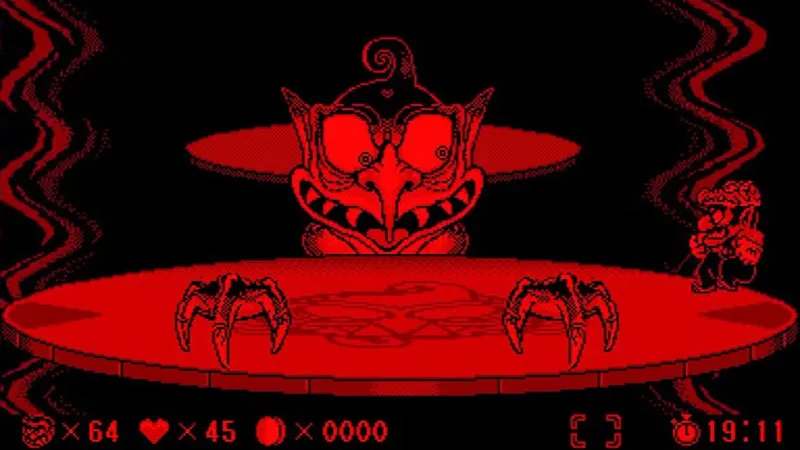 Virtual Boy Wario Land (Virtual Boy, 1995)
Virtual Boy Wario Land stands out as the shining exception. It’s a great entry in the Wario Land series of games. A classic 2D Wario platformer that would function as a fun game even without the impressive stereoscopic bells and whistles. You jump between the foreground and background and it looks and feels cool. The whole game takes place in underground caves so the dark red lines make sense in context, and the final boss is the kind of nightmare fuel we all would be reminiscing about as adults today had anyone actually played the game in 1995.
Teleroboxer is a functional, but not particularly good Punch-Out inspired fighter; Red Alarm is all wireframe and hard to parse; 3D Tetris is an interesting idea, but it gestures at the idea of a framerate instead of committing to one; and Golf and Galactic Pinball offer few surprises. The Mansion of Innsmouth stands out as a distant second behind Wario by being a weird horror game where you walk around hallways shooting scary monsters, but it is incredibly dated and doesn’t feel as three-dimensional as the other titles.
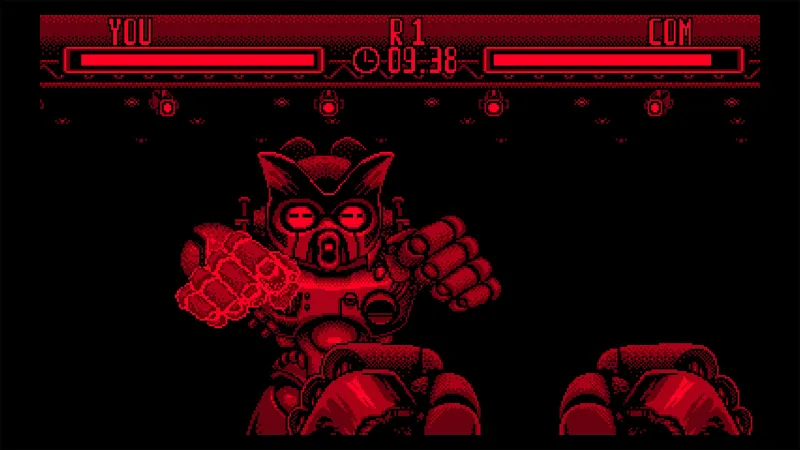 Teleroboxer (Virtual Boy, 1995)
Every time you start a game, it asks if you want it to automatically pause for you so you can take a break every ten minutes, which is frankly all you need to know about the experience of playing Virtual Boy. It’s uncomfortable, extended play hurts your eyes, and Nintendo knew this, which is why every game builds in that functionality.
It’s a bad time.
But, with all that said, and with my overt warnings about the anti-comfortability of playing any Virtual Boy game, I can’t help but be absolutely charmed by its existence. I am grateful that Nintendo is acknowledging what is inarguably its worst video game console, and putting in a substantial amount of effort toward making it playable exactly as it was in 1995 in the year 2026. I love video game history and especially Nintendo history, and I want Nintendo to embrace both its successes and failures just like this.
Now, all Nintendo needs to do is release its handful of CD-i games into its Switch library – another aspect of Nintendo history I am absolutely obsessed with – and I will finally, truly be happy.
@game_informer We got the new, but also old, Virtual Boy for Switch. It is without a doubt a rerelease of Nintendo’s worst console. But we love that it exists. #nintendo #virtualboy ♬ original sound - Game Informer
Fur Squadron Phoenix Review - An Out-Of-This-World Homage
Reviewed on:
Switch
Platform:
Switch, PC
Publisher:
Raptor Claw
Developer:
Raptor Claw
Release:
(PC),
(Switch)
Rating:
Everyone
One thing that seems certain in video games is that if a legendary developer neglects a beloved franchise, an indie studio will pick up the ball and run with it through a spiritual successor. We've seen it in spades with Metroid and Castlevania, and with how long its been since we've received a Star Fox game, it was just a matter of time before something like Fur Squadron Phoenix came along. A prequel to 2023's Fur Squadron, Fur Squadron Phoenix brings more modern visuals and missions than its predecessor, and in the process, delivers the Star Fox 64 successor I've wanted for nearly three decades.
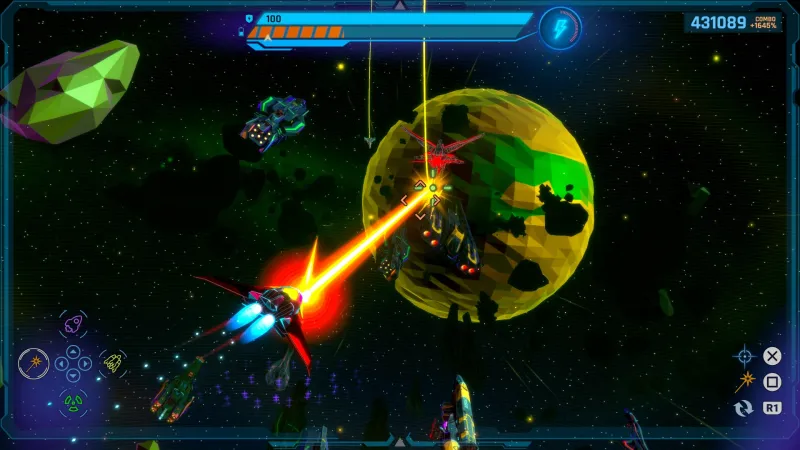
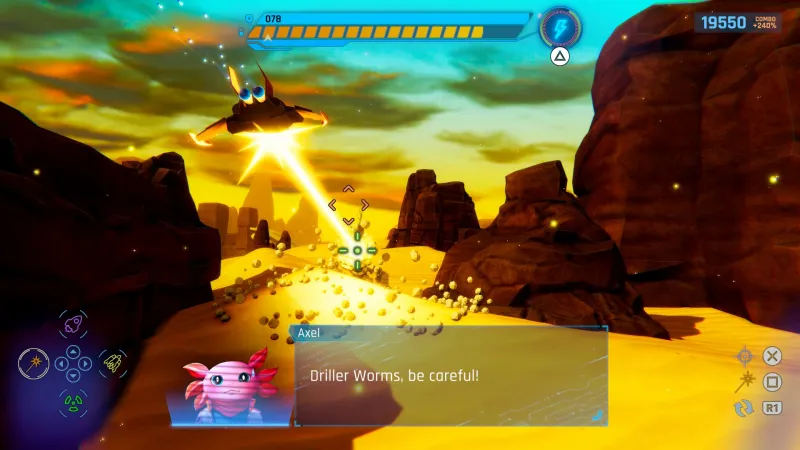
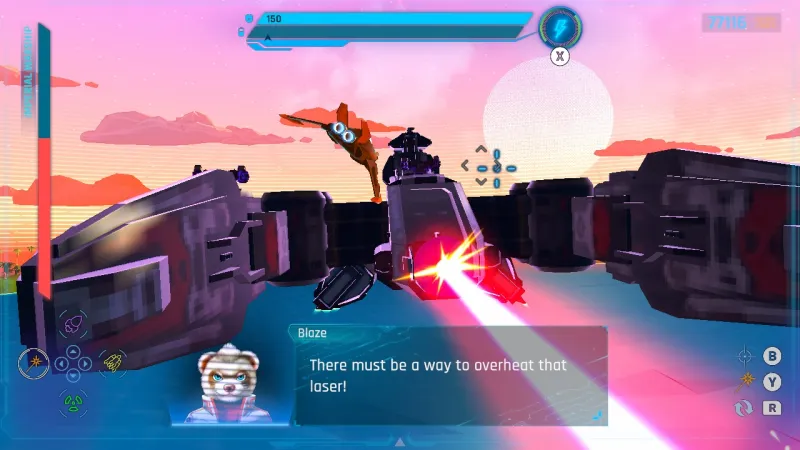
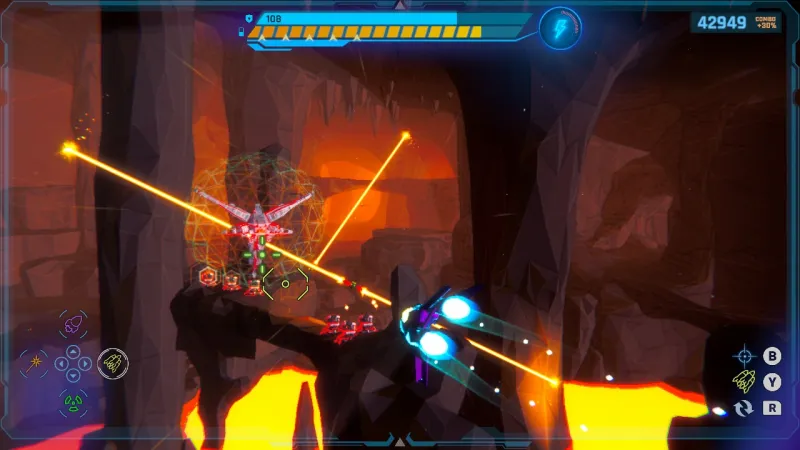
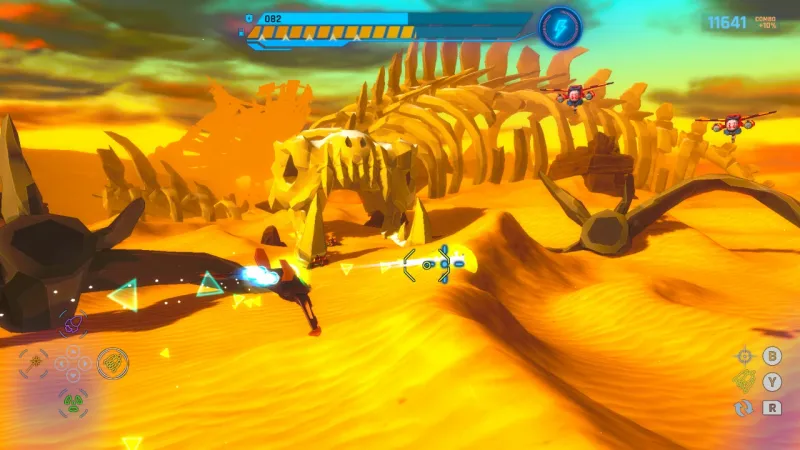
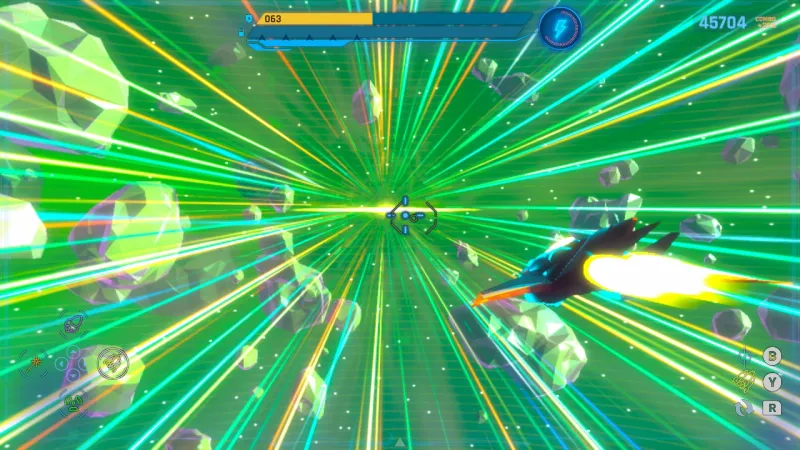
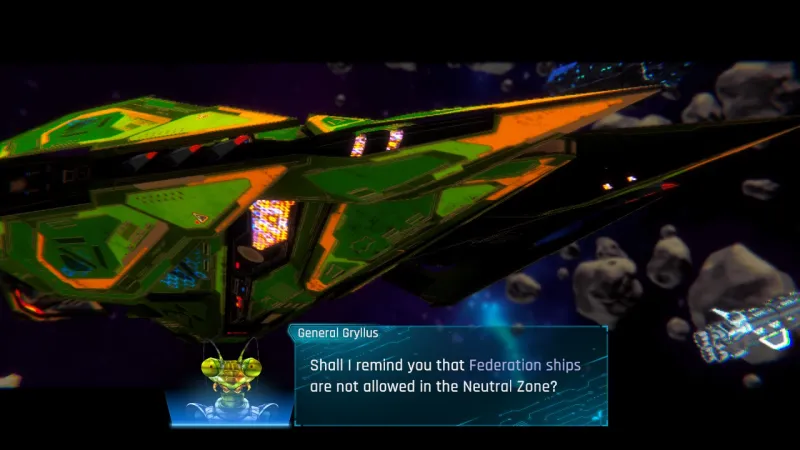
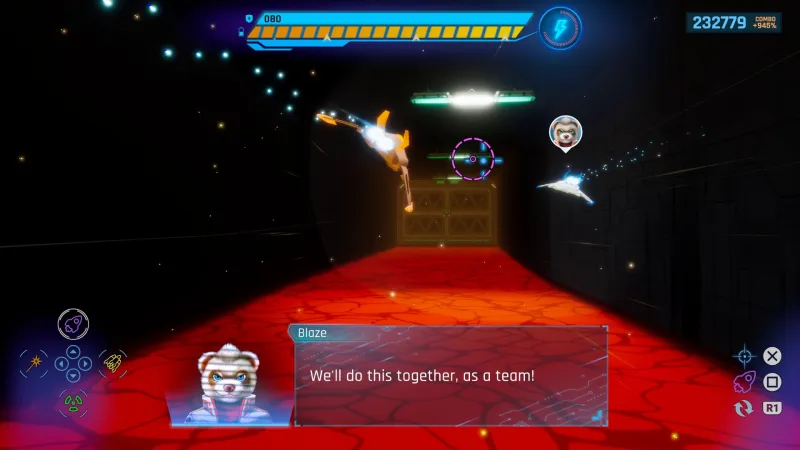
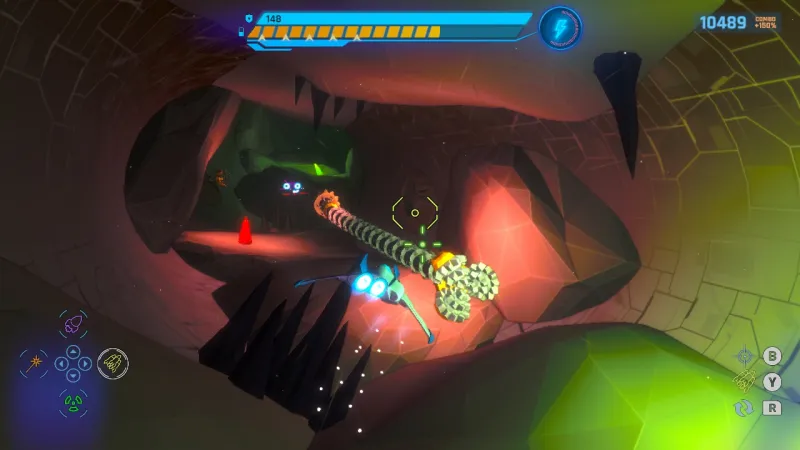
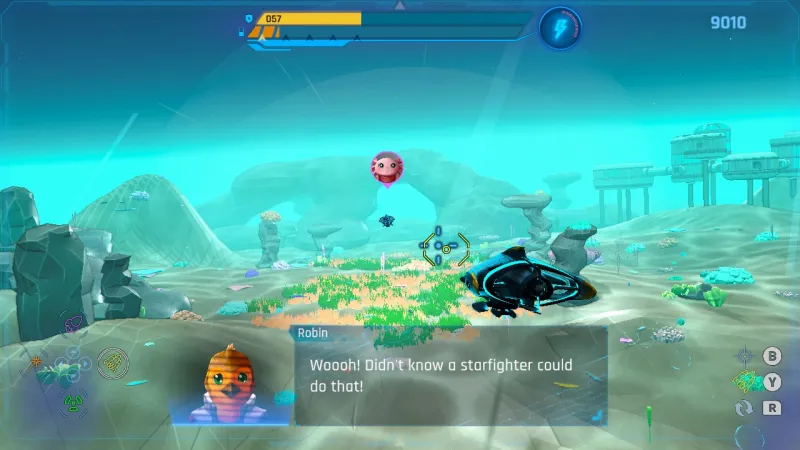
Fur Squadron Phoenix places you in the cockpit of a Starfighter as part of Fur Squadron, an elite group of fighter pilots who serve the Federation. The on-rails gameplay immediately calls back to the best sequences in the Star Fox franchise. You fly through a diverse collection of planet-bound and space environments, blasting away at the many enemies who dare take you on. As you play, you encounter standard enemies flying in formation, shielded ships that require charge shots or special weapons to take out, mechanical worms that emerge from hiding spots to fly straight at you, and, of course, end-of-level bosses that task you with dodging their attacks and blasting their weak points. Thanks to its colorful neon glow, superb soundtrack, and masterful pacing, Fur Squadron Phoenix presents consistently exhilarating dogfights that are absolute treats for the senses.
The waves of enemies that fly towards you often presented unique challenges that kept me on my toes, and truly made me feel the progression of not only my skills, but also my characters. Meanwhile, the boss battles are largely inventive, providing an exciting culmination of each stage; I just wish I could say the same about the final boss, which is an arduous, bullet-spongy practice in patience that did little to put an exclamation point at the end of the otherwise fun campaign. And despite how much I loved my time with Fur Squadron Phoenix, I was also left wishing there was more to it, as eight stages – even if they're lengthy – fly by quickly.
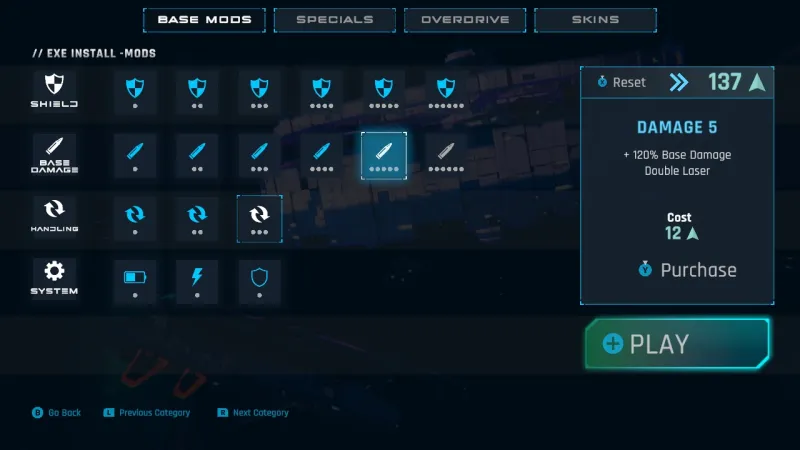
Despite how short the campaign is, you'll still have thousands of enemies to blast. Thankfully, you have an ever-improving arsenal that is unlocked through roguelite-inspired mechanics. Rather than unlocking upgrades through in-level items, you instead earn upgrade points every time you play a level – win or lose. This makes it so even my bitter losses at the end of a long stage didn't feel like a complete waste of time. The majority of the game takes place within a training simulation, but bafflingly, you don't earn any skill points in the real in-universe missions; these stages should feel more impactful and memorable, but instead, because of this arbitrary system, I always opted to replay the simulation missions.
Upgrades available include damage boosts (including a permanent double laser), improved shields, and increased mobility. Obviously, improving health and damage is always great, but I especially loved pumping points into the four distinct special weapons. The standard Star Fox-style bombs are your default, but I quickly gravitated to a power beam that increases in damage as you use it, or the extremely useful multi-missile special weapon. Then, there's the nuke, which is also extremely useful in situations with a ton of enemies. These specials, when fully upgraded, can decimate the opposing forces. And when combined with your Overdrive ultimate ability, which slows time and increases your damage, you have more ways than ever to satisfyingly take down incoming adversaries.
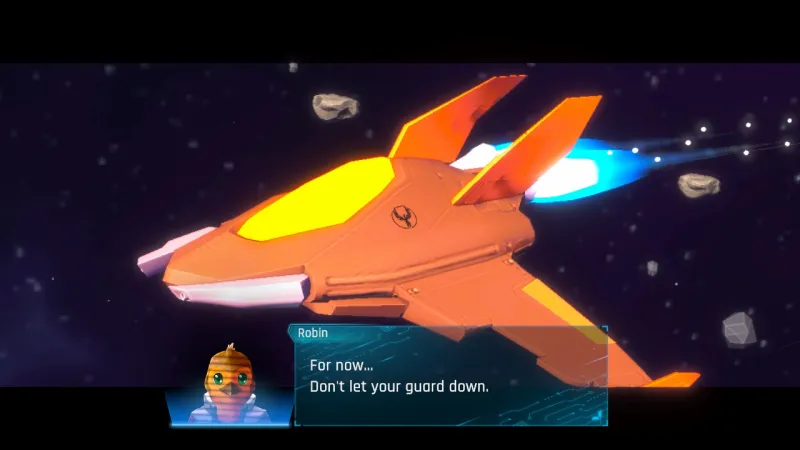
Through most of the game, you play as Robin, a bird who was previously a part of Phoenix Squadron. When Robin's crew is decimated during a mission, he's rescued by Fur Squadron, which consists of a ferret named Blaze, a fruit bat named Kiro, and an Axolotl named Axel. Each of these characters fits into the archetypes established by Star Fox: Blaze is the brave and fearless leader, Kiro flies like he has something to prove, and Axel is a tech genius. As you play through levels, each teammate will give you side objectives to complete, such as saving them from enemies on their tails, clearing a path of all debris, or flying through rings. By completing these, you level up the character who issued the challenge, which improves your Overdrive.
By the end of my playthrough, in addition to slowing down time, my Overdrive fully refilled my health and special weapon energy, plus gave my lasers a 260-percent damage buff. Additionally, each time you level your relationship with a specific character, you get a touching post-mission scene between Robin and that character. These scenes go a long way towards establishing personalities, connections, and narrative subplots, which is all extremely helpful since your squad mates' voices play as gibberish rather than real voice acting. This isn't a dealbreaker by any means, but when Star Fox 64 was able to have fully voiced characters in 1997, it's disappointing to have to take my eyes off the action to read what they're saying while in a mission.
Though Fur Squadron Phoenix draws heavy inspiration from Star Fox, it leaves out smaller pieces of the formula. First, this a single-player title with no multiplayer, so if, like me, you have fond memories of competing in four-player dogfights, you won't find that within this package. Additionally, the levels are completely on rails, meaning that even in encounters that might make sense for it, there is no All-Range Mode to allow for free flight. Thankfully, for boss encounters that feel like they'd play better in something akin to All-Range Mode, Raptor Claw found creative ways for it to feel dynamic in a similar way.
Despite those deviations from the series that inspired Raptor Claw to develop this game, Fur Squadron Phoenix is an excellent spiritual successor for those who remember that Fox and Falco exist outside of the Super Smash Bros. games. Nintendo may not know what to do with the Star Fox franchise, but Fur Squadron Phoenix makes a great case that the genre can still flourish in 2026.

Score: 8.5
A Paid Xenoblade Chronicles X: Definitive Edition Switch 2 Upgrade Is Available Now
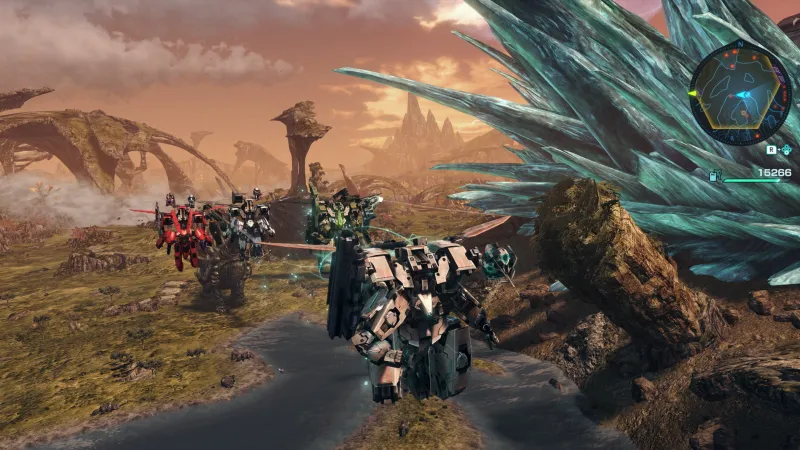
Xenoblade Chronicles X, like many games, was a good game stuck on the poorly selling Wii U. Last March, it was freed from those confines and ported to the Switch, but since it was only a few months before the launch of the Switch 2, some felt rightfully frustrated that it didn't get the performance boost from the newest console. Today, however, Nintendo not only announced that very upgrade, but you don't have to wait – it's out right now.
The paid upgrade costs $4.99, and if you don't have a copy of the game yet, you can buy a Switch 2 version for $64.99, an appropriate $5 more than the Switch 1 release. This enhanced version of the game supports a 4K resolution when docked and "smoother framerates" that the above trailer says can go "up to 60 fps," which implies that actual fps values will vary in-game.
The Xenoblade Chronicles games are a series of RPGs defined by their real-time combat, sci-fi fantasy setting, and massive open worlds. Xenoblade Chronicles X distinguishes itself from the series' other games due to its mechs, which players can use to fight and fly around the world. We gave the original a 7.25, saying, "Players with great patience for grinding are rewarded with intriguing places to discover and creatures to fight, but for me, only a handful of the 100 hours I spent wandering Mira felt like a true adventure."
For more Xenoblade, check out our reviews of Xenoblade Chronicles 2 and Xenoblade Chronicles 3.