Reading List
The most recent articles from a list of feeds I subscribe to.
Startup uses ancient bacteria to turn Texas CO2 into green chemicals
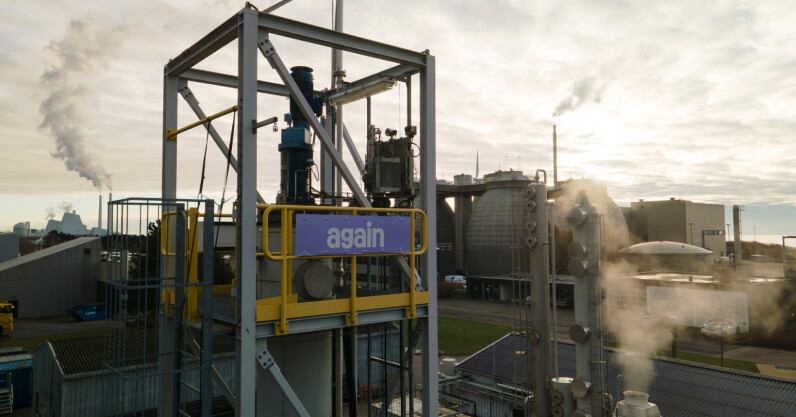
Again, the German-Danish startup using ancient bacteria to turn CO2 into new chemicals, is building a new bioreactor plant in Texas. The facility will be located at Texas City, a major petrochemicals park located on the Gulf Coast. The industrial centre is run by Diamond Infrastructure Solutions — a joint venture between chemicals giant Dow and Macquarie Asset Management. “We’re building a global company, and that also means taking our technology into new regions,” Again’s co-founder Max Kufner told TNW. “There is a high demand in the US for our chemicals, particularly ones that can be sustainably made on-shore.”…
This story continues at The Next Web
How to thrive with AI agents — tips from an HP strategist
The rapid rise of AI agents is sparking both excitement and alarm. Their power lies in their ability to complete tasks with increasing autonomy. Many can already pursue multi-step goals, make decisions, and interact with external systems — all with minimal human input. Teams of AI agents are beginning to collaborate, each handling a specialised role. As their autonomy increases, they’re poised to reshape countless business processes. Tech giants are heralding them as the future of the web. At Microsoft’s Build conference this week, the company declared that we have entered “the era of AI agents.” OpenAI CEO Sam Altman…
This story continues at The Next Web
Meta AI chief: ‘Inferiority complex’ is stunting European tech
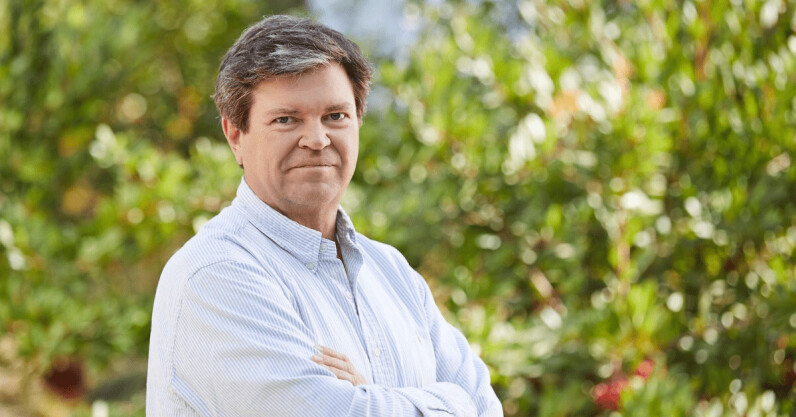
Europe’s not lacking talent — it’s lacking confidence. That’s the verdict from Meta’s chief AI scientist Yann LeCun, who says an “inferiority complex” among European media and investors is holding back the continent’s tech industry. “The main reason why the European tech industry is small is a mistaken assumption of technological inferiority on the part of the European media,” wrote LeCun in an X post. “Perhaps more importantly, there was a similar inferiority complex on the part of investors, which made them less willing to take risks when the mere possibility of an American competitor would rear its head. That…
This story continues at The Next Web
US shoplifting ‘epidemic’ sparks demand for French AI cameras
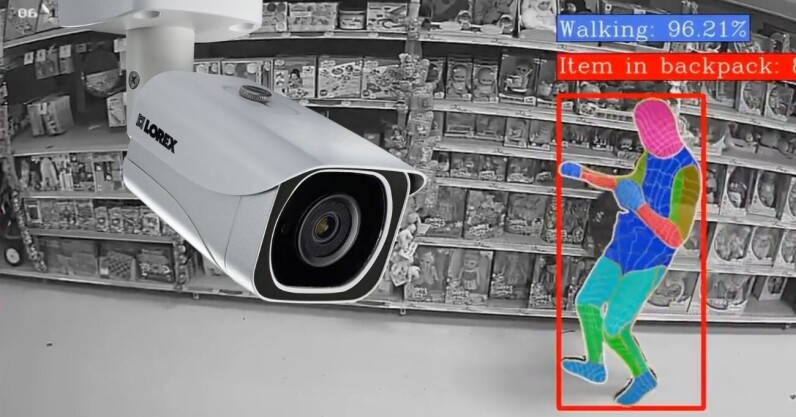
Paris-based AI startup Veesion has secured €38mn to fuel expansion to the US — where it looks to help cure the country’s shoplifting “epidemic.” Veesion’s AI-based computer vision software is trained to spot gestures in security camera feeds, such as a shopper putting an item in their pocket. If it sees something suspicious, the AI pings the store owner or security guard via an app, where it displays a recording of the activity. The user then makes the final judgment on whether the situation qualifies as theft. The software comes in a small box that plugs into a shop’s existing…
This story continues at The Next Web
TNW Backstage dives into the mind-bending world of brain-computer interfaces

TNW Backstage returns this week to explore one of tech’s most fascinating frontiers: brain-computer interfaces (BCIs). The capabilities of these neural devices are rapidly expanding. They’ve been implanted in skulls and worn as headbands. They’ve measured focus, treated Parkinson’s disease, and enabled paralysed people to control computers with their minds. A range of research labs and tech firms are developing BCIs. Yet the spotlight has been dominated by one company: Elon Musk’s Neuralink. The startup has put brain implants in monkeys so they can play Pong with their minds. Musk also has big plans for humans, from giving us “superpowers” to downloading…
This story continues at The Next Web