Reading List
The most recent articles from a list of feeds I subscribe to.
Artificial solar eclipse engineered in Europe offers new look at Sun
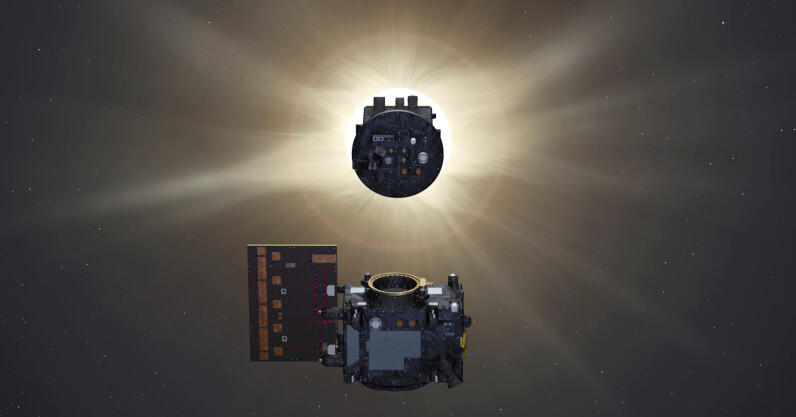
Two satellites equipped with European tech have delicately pulled off an artificial solar eclipse — giving scientists unmatched views of the Sun’s scorching corona. The European Space Agency (ESA) developed the probes alongside more than 40 space tech firms. Among them are a trio of startups, which contributed several key technologies for the mission: sensors for solar tracking, light detectors to fine-tune positioning, and software that orchestrated the satellites’ intricate flight path. Launched from India’s Satish Dhawan Space Centre last year, the expedition — Proba-3 — could mark a new era for solar science. The Sun’s inner corona, coloured artificially…
This story continues at The Next Web
Opinion: Space startups are pivoting to defence. That’s great for innovation
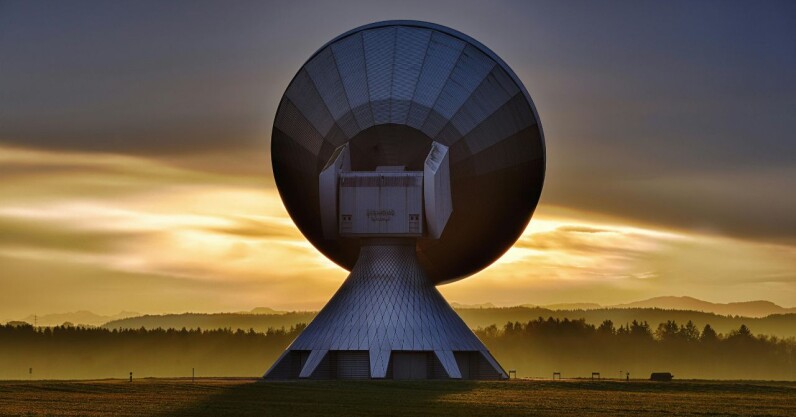
A few months ago, at the SmallSat Symposium, a panel issued a sobering warning to space startups: do not chase defence dollars at the expense of long-term sustainability. Why? Because companies, particularly in the space sector, might be tempted to follow the money rather than focus on producing valuable products and services with broader, longer-term applications. It’s of course true that any company should be wary of “leaning in” too closely to what seem like passing fads. But the warning overlooks an important reality: the shift towards defence investing is not a trend. It’s a transformation in space and space…
This story continues at The Next Web
Quantum art, multiball, and AI selfies: TNW 2025’s best side quests
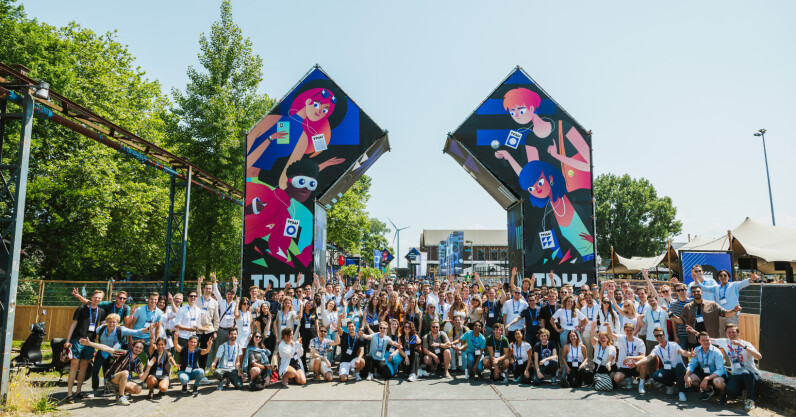
Qubits, entanglement, superposition, trapped ions, Schrödinger’s cat. These terms sound strange because the world of quantum mechanics — where things can exist in multiple states at once — is strange. Thankfully, a group of students from TU Delft are bringing these powerful sub-atomic phenomena to life at TNW Conference through an exhibition of abstract artworks. Their project, Emergence Delft, blends science and creativity into a mind-bending exploration of quantum reality. A centrepiece of the exhibition is Coexist — a mesmerising light installation that captures the elusive nature of quantum mechanics through colour, interaction, and design. At its heart, Coexist tackles…
This story continues at The Next Web
European VCs just made a record bet on this fusion energy underdog
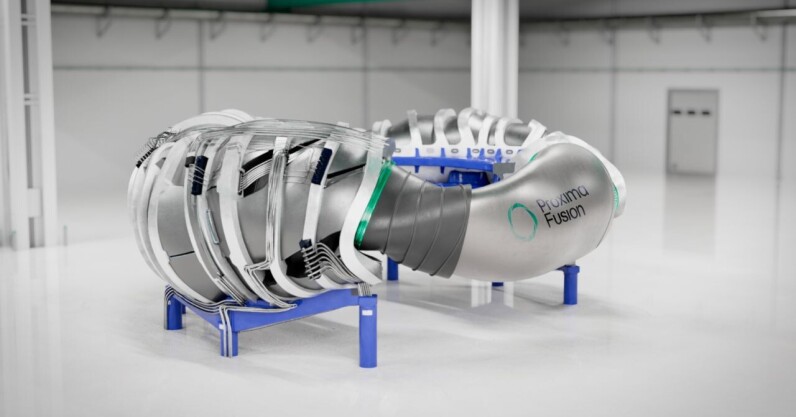
Two years ago, German startup Proxima Fusion emerged from stealth with big ambitions to make a little-known stellarator fusion machine a serious contender in the race for commercial fusion energy. Today, the Munich-based company secured Europe’s largest-ever private investment in fusion power — a €130mn Series A funding round from big-name investors including Balderton Capital, Cherry Ventures, and Plural. Daniel Waterhouse, partner at Balderton Capital, said he now thinks Proxima has taken its place as the leading “European contender” in the global race to commercial fusion. Proxima was the first company to spin out from the Max Planck Institute of…
This story continues at The Next Web
Clearest views yet of Sun’s south pole may unlock its mysteries
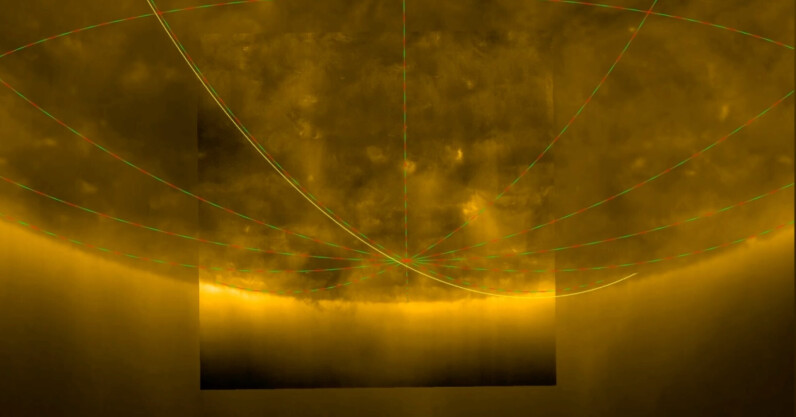
A spacecraft developed by European scientists and companies has captured unprecedented new views of the Sun’s south pole. Built by Airbus in the UK, Solar Orbiter was developed as part of a joint mission between the European Space Agency (ESA) and NASA. The probe launched on a United Launch Alliance Atlas V 411 rocket from Cape Canaveral, Florida in 2020. A number of European tech firms also contributed to the mission. One of them is Dublin-based Enbio, which developed a protective coating for the probe using crushed animal bones. It’s one of the more unusual materials ever flown into space…
This story continues at The Next Web