Reading List
The most recent articles from a list of feeds I subscribe to.
Stem cell startup proclaims ‘inflection point’ for medicine as mass production nears
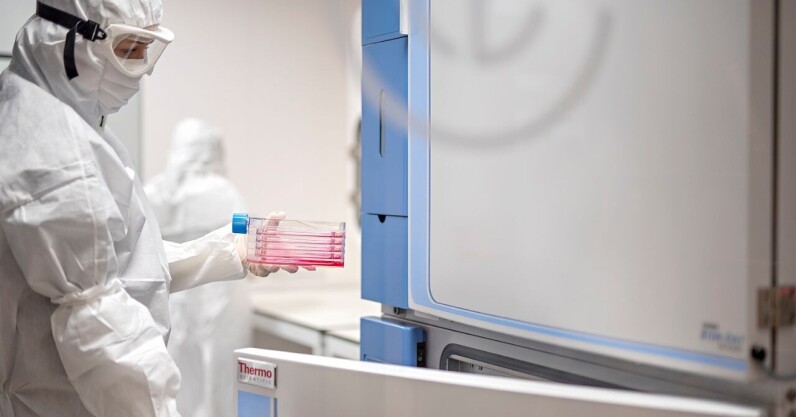
It’s harvest day at the Karolinska Institute in Stockholm. As sunshine bathes the leafy university campus, scientists inside the labs work under cool fluorescent light. Clad in green protective gear, they tend meticulously to test tubes within hermetically sealed cleanrooms. The containers hold the fruits of today’s labour: mesenchymal stem cells (MSCs). Each cell is barely a quarter the width of a human hair but wields remarkable power. MSCs reduce inflammation, repair damaged tissue, and modulate the immune system. They can treat chronic diseases and delay ageing. They may even prevent illness before it begins. But to become a mainstay…
This story continues at The Next Web
Why civilian-first innovation will drive better dual-use technologies

Imagine drones that map disaster zones today and scout military targets tomorrow. Or seismic activity sensors built for construction that go on to detect submarines underwater. These ideas represent the promise of dual-use technologies that serve both civilian and military purposes. For the first time, the European Commission is explicitly proposing to fund them through programmes such as Horizon Europe. But as we race to embrace dual-use technologies, we face a pivotal choice: continue the old model where military applications drive innovation that civilians later adopt, or turn this paradigm on its head? Technological innovation has long followed a well-trodden…
This story continues at The Next Web
In recruitment, an AI-on-AI war is rewriting the hiring playbook
Roei Samuel, founder of networking platform Connectd, has been hiring at speed — 14 roles in six months. But he’s begun to wonder if candidates’ answers are genuine, even on video calls. “I can see their eyes shifting across the screen,” he says. “Then they come back with the perfect answer to a question.” The trust gap between employer and jobseeker is widening, and it’s fast becoming one of the trickiest knots in modern hiring. From ChatGPT-polished CVs to full-blown applications submitted by bots, GenAI has hit the job market hard and gone fully mainstream. For a sizable generation of…
This story continues at The Next Web
Why Europe could quietly win the humanoid race
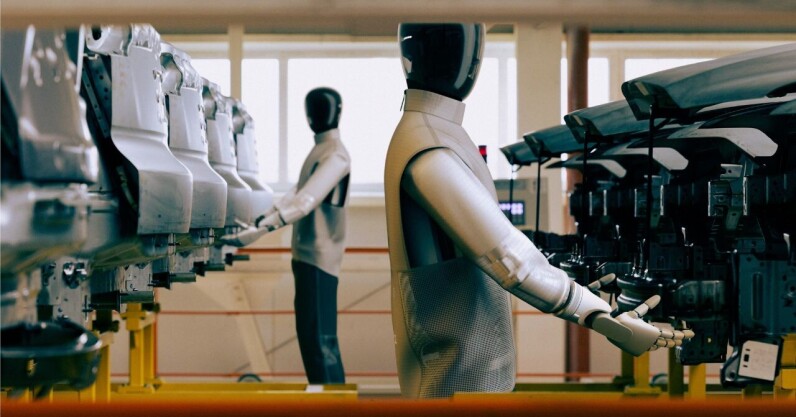
Elon Musk’s Optimus demo at Tesla’s We Robot event made one thing clear: when it comes to humanoids, the spotlight still belongs to the United States. Then there is Asia — with China’s rapid developments and Japan and South Korea’s deep legacy in robotics. Headlines still gravitate toward billion-dollar budgets, rapid hardware iterations, and slick simulation reels. Behind the noise, though, another development is unfolding in Europe — quieter, but potentially far more consequential. The next chapter of humanoid robotics may be defined not by who moves first or builds the flashiest prototypes, but by who moves with the discipline…
This story continues at The Next Web
Can Europe’s AI rules turn worker protections into a competitive edge?

While the US has largely pursued AI development with minimal regulatory oversight, Europe has taken a markedly different approach. The Data Protection Act, the GDPR, and the recent AI Act — aligned more closely with local workers’ laws and unions — have set the continent on a separate path. A recent joint study from the International Labour Organisation (ILO) and Poland’s National Research Institute (NASK) found that Europe — along with Asia — tops the list of most exposed regions to AI, far surpassing the Americas. With studies finding that one in four jobs are at risk of being transformed by…
This story continues at The Next Web