Reading List
The most recent articles from a list of feeds I subscribe to.
Startup wisdom: 5 prompt engineering tips for vibe coding success

Startup wisdom is a new TNW series offering practical lessons from experts who’ve helped build great companies. This week, Dainius Kavoliūnas, head of no-code platform Hostinger Horizons, shares his tips on vibe coding. Vibe coding has become an indispensable tool, especially for entrepreneurial thinkers building apps and platforms for solving everyday problems, streamlining business processes, or enhancing digital experiences. It represents a paradigm shift in software development. Instead of writing lines of code, you can now describe your requirement and have AI bring it to life. Vibe coding is fast, intuitive and opens up a new realm of possibilities where code…
This story continues at The Next Web
How European battery startups can thrive alongside Asian giants
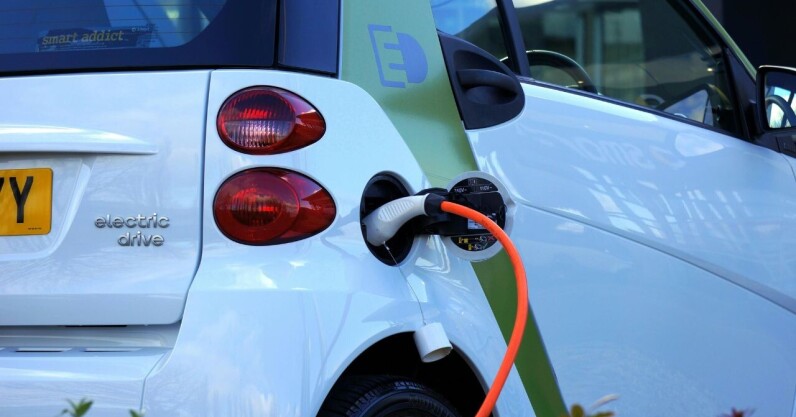
The global battery market is experiencing unprecedented growth, with projections showing the sector will reach $400bn by 2030. Yet European entrepreneurs often feel locked out, watching Chinese giants like CATL dominate headlines with record-breaking IPOs while homegrown champions like Northvolt file for bankruptcy, exposing the harsh realities of competing against established Asian supply chains. Still, Europe will never be entirely independent in green energy and will want to cooperate with Asia. Yet the continent has strong demand for on-shoring supply, including green power and critical manufacturing. There are also genuine competitive advantages available to European green battery startups: proximity to…
This story continues at The Next Web
The EU’s €2T budget overlooks a key tech pillar: Open source
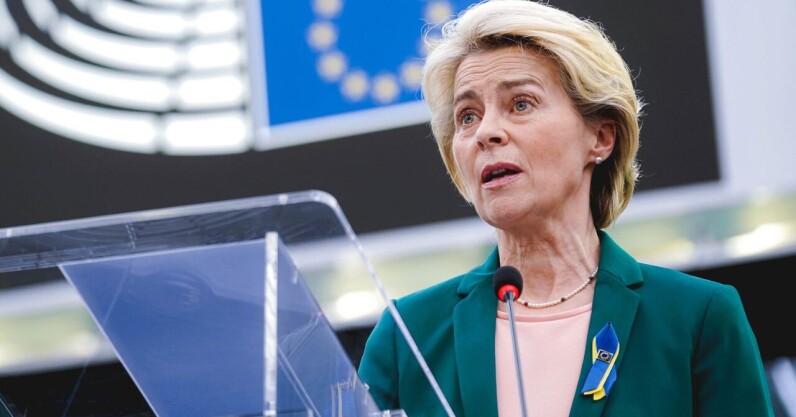
On July 16, the European Commission proposed a €2tn seven-year budget – the largest in the EU’s history – to boost autonomy, competitiveness, and resilience. The spending plan addresses cybersecurity, innovation, and other key digital pillars, but omits a crucial component: open source. Open source software – built and maintained by communities rather than private companies alone, and free to edit and modify – is the foundation of today’s digital infrastructure. Since the 1990s, it has been ever-present in the digital infrastructure that European industry and public sector institutions depend on, creating huge dependencies on open source applications and libraries. From…
This story continues at The Next Web
Opinion: Europe’s VCs must embrace risk — or resign the AI era to US control

Europe’s AI startups are losing ground to the US — and their own investors are to blame. Only 5% of global venture capital is raised in the EU, according to the European Commission. The US, by contrast, attracts more than half, while China takes 40%. Yet Europe isn’t capital-poor: households save €1.4tn a year, nearly twice as much as in America. Still, very little of that money finds its way into startups, despite a plethora of incentives like the UK’s EIS tax relief for business angels. Even when funding is available, Europe’s venture capital firms are slow and cautious. Funds…
This story continues at The Next Web
VCs are growing wary of ‘AI-washing’ – but real innovation is still winning investors

Venture capital investment surged to a 10-quarter high of €108.3bn in Q1 2025, fuelled by artificial intelligence, which accounted for over €44.6bn raised. In recent years, AI has felt like a money-printing machine. Investors, eager to avoid missing out on the next big thing, were quick to back almost any startup that mentioned AI in their pitch deck. The idea didn’t need to be particularly well-implemented or useful. In some cases, even the illusion of innovation was enough to earn a unicorn valuation. But investors are now wising up to AI-washing. As the CEO of Gradient Labs — an AI…
This story continues at The Next Web